Social registry systems south Africa: a deeper look

Social registry systems in South Africa are crucial for efficiently identifying and assisting vulnerable populations by collecting accurate data to enhance service delivery and improve access to social benefits.
Social registry systems South Africa play a crucial role in connecting citizens with essential services.
Have you ever wondered how these systems impact your community? Let’s dive into their significance and benefits.
Understanding social registry systems

Understanding social registry systems is crucial for fostering effective governance and service delivery.
These systems are designed to gather information about individuals and households, ensuring that the right services reach the right people.
They help governments and organizations identify who needs assistance and how to provide it efficiently.
What are Social Registry Systems?
Social registry systems are centralized databases used by governments to identify and support vulnerable populations. Organizations like the World Bank highlight their role in improving the targeting of social programs by consolidating data on income, household composition, and living conditions.
This matters because accurate and up-to-date registries allow policymakers to allocate resources more efficiently, reducing fraud and ensuring that assistance reaches those who need it most. They also enable faster responses during crises, such as economic shocks or natural disasters, by identifying eligible beneficiaries quickly.
Looking ahead, governments are investing in digital integration, interoperability, and data protection frameworks to strengthen these systems. Balancing efficiency with privacy and transparency will be essential to maintain public trust while expanding the impact of social protection programs.
Key Features of Social Registry Systems
- Data Collection: They gather essential personal information such as income levels, household size, and employment status.
- Accessibility: Information must be readily accessible to authorized organizations to facilitate timely assistance.
- Coordination: These systems promote collaboration among various service providers, enhancing the efficiency of social programs.
Furthermore, the integration of technology in social registry systems has improved their effectiveness. Digital platforms make it easier to update and manage data. For example, citizens can report changes in their circumstances through mobile applications, ensuring that the information remains relevant.
Traditionally, social protection systems lacked coherence and were sometimes riddled with inefficiencies. However, the advent of social registry systems has revolutionized this landscape. They have become vital for aiding those in need while reducing fraud and errors in service delivery.
Additionally, social registry systems can also offer insights into the demographics of affected populations, allowing policymakers to tailor interventions more effectively. Understanding who needs help and which services are lacking is essential for building resilient communities.
In conclusion, a sound understanding of social registry systems can greatly influence how social services are perceived and delivered. By establishing reliable data frameworks, governments can ensure that they meet the needs of their populations efficiently and effectively.
Importance of social registry systems in South Africa
The importance of social registry systems in South Africa cannot be overstated. These systems play a vital role in identifying vulnerable groups and connecting them with necessary services.
By collecting data about individuals and households, social registries inform policies that help improve living conditions and reduce poverty.
One core benefit of social registry systems is enhancing service delivery. With accurate data, governments and NGOs can provide targeted assistance to those in need. When resources are allocated based on evidence, the impact becomes significantly greater.
Streamlining Access to Assistance
- Users can access multiple services from one platform.
- Increases transparency in resource allocation.
- Reduces duplication of services.
Moreover, having a centralized database also helps streamline access to assistance. When people can find what they need quickly, it creates an efficient system that benefits everyone. For instance, a single application can link individuals to education, health care, and financial aid.
In South Africa, the challenges of poverty and inequality make these systems even more essential. By identifying who needs help and the types of assistance required, social registry systems enable targeted interventions that can significantly uplift communities.
Furthermore, these systems enhance collaboration among various stakeholders. By sharing data, government agencies, NGOs, and private sector partners can coordinate efforts, leading to comprehensive strategies that address multiple aspects of poverty.
Ultimately, the role of social registry systems is fundamental in promoting social justice and equity in South Africa. As these systems continue to evolve, they will play a crucial role in tackling the country’s most pressing social issues.
Key features of effective social registries
Understanding the key features of effective social registries is essential for ensuring that they function optimally.
These features help maximize the impact of social safety nets and provide critical data for policymakers.
Effective social registries should have certain components that enhance their performance and reliability.
Comprehensive Data Collection
An effective social registry collects comprehensive data about individuals and households. This includes essential details such as income, family composition, and living conditions. The more accurate and detailed the data, the better the system can identify who needs assistance.
Accessibility and User-Friendliness
- User interfaces should be easy to navigate for both staff and beneficiaries.
- Citizens should be able to access their information easily.
- Support services must be available for users needing assistance.
Another vital feature is that social registries should be accessible and user-friendly. This ensures that both beneficiaries and service providers can navigate the system with ease. When people can access their information without barriers, the entire process becomes more efficient.
Additionally, data privacy and security must be a priority. Protecting sensitive information is crucial for building trust among users. Implementing strong security measures encourages more people to engage with the system while safeguarding their rights.
Accessibility and User-Friendliness
Moreover, effective social registries promote interoperability. They should be capable of sharing information between different systems and agencies. This collaboration enhances the efficiency of various social services and reduces redundancy in assistance.
Finally, regular updates and maintenance are necessary to ensure the registry remains accurate and relevant.
Outdated information can lead to misallocations of resources, undermining the efforts to assist vulnerable populations. Continuous improvement through user feedback can greatly enhance the quality of social registries.
Challenges affecting social registry implementation
The challenges affecting social registry implementation are numerous and complex.
Addressing these obstacles is vital for creating effective social security systems that can truly benefit those in need.
One significant issue is the lack of infrastructure. Many regions in South Africa may not have the technological resources to support robust social registry systems.
Data Privacy Concerns
Another challenge is ensuring data privacy and security. Individuals may hesitate to provide information due to fears about how their data will be used. It is crucial for governments to build trust with the community by implementing strong data protection measures.
- Staff may require training to use new technologies effectively.
- Understanding the importance of accurate data entry is essential.
- Local governments may lack the necessary technical skills.
Additionally, training is often inadequate. Staff handling social registries may not be trained properly, leading to errors in data collection and management.
This can have harmful effects, such as misidentifying who needs assistance. Capacity building is critical to ensure that everyone involved understands their roles and responsibilities.
Training and Capacity Building
Furthermore, community engagement presents another challenge. For social registries to work effectively, individuals must be willing to participate. Awareness campaigns can help inform people about the benefits of social registries, but overcoming skepticism is often a tough task.
Political instability can also impact social registry implementation. Changes in government can lead to shifts in priority and funding, causing delays or disruptions. Ensuring that social safety nets remain consistent requires political will and commitment from all stakeholders.
Overall, overcoming these challenges is essential for the success of social registry systems. By addressing infrastructure, training, community engagement, and political support, South Africa can create a more effective and inclusive approach to social assistance.
Case studies of successful social registry systems
Examining case studies of successful social registry systems provides valuable insights into best practices and effective strategies.
These examples highlight how tailored approaches can improve social service delivery and target vulnerable populations effectively.
Example: Brazil’s Cadastro Único
One successful model is Brazil’s Cadastro Único, which registers families in need and provides them access to various government programs.
This system collects data about income, education, and housing conditions.
By using this data, the Brazilian government can allocate resources more efficiently and ensure that aid reaches those who need it most.
Key Features of Brazil’s System
- Comprehensive data collection ensures accurate targeting of services.
- Integration with other governmental programs streamlines aid distribution.
- Continuous updates help maintain data accuracy.
Brazil’s system shows how a well-structured social registry can facilitate better governance by ensuring that services are available to the right individuals at the right time.
Another notable example is India’s National Food Security Act, which relies on a robust social registry to provide food and nutritional security to its citizens.
The program ensures that benefits reach the most marginalized groups. It employs technology to verify identities and streamline applications, leading to fewer delays and improved satisfaction among beneficiaries.
By utilizing digital technology, India has made significant strides in reaching communities that were previously underserved. The seamless process of enrollment and benefits delivery can serve as a model for other countries looking to enhance the efficiency of their social safety nets.
These case studies underscore the importance of having a strong data collection and management strategy in social registry systems.
The experiences of Brazil and India demonstrate that with the right tools and policies, nations can enhance social protection and improve the quality of life for their citizens.
Future of social registry systems in South Africa
The future of social registry systems in South Africa looks promising as technology continues to evolve.
Innovations in data management and analytics can significantly enhance the efficiency and effectiveness of these systems.
By leveraging advanced technologies, South Africa can create social registries that better serve its population.
Integration with Technology
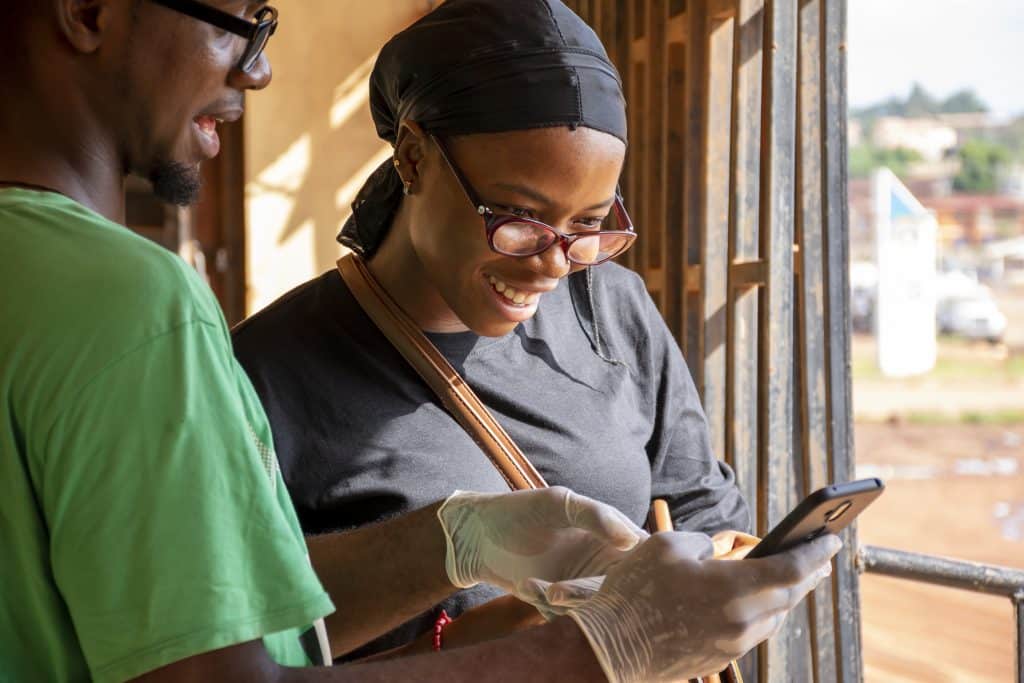
One key aspect of the future is the integration of technology into social registries. Mobile applications and online platforms can facilitate easier data collection and accessibility.
For instance, users could update their information in real-time, ensuring that the data remains current and reflective of their needs.
- Encouraging collaboration between government agencies.
- Streamlining data processes to reduce redundancy.
- Enhancing the accuracy of service delivery.
Another vital element is improving data sharing among different government departments. When agencies can access the same information, they can coordinate better and respond more effectively. This interconnectedness can lead to a more seamless experience for citizens seeking assistance.
Moreover, the ongoing focus on privacy and data protection will shape how social registries operate.
As more citizens become concerned about their personal information, ensuring that these systems are secure will be paramount. Transparent practices will help build trust and encourage more people to engage with social services.
Conclusion
Community engagement will also play a significant role in the future of social registries. Creating awareness about the benefits of these systems will be essential to increase participation.
By involving community members in the development process, the systems can be tailored to meet local needs better.
Overall, as South Africa continues to navigate its social challenges, the future of social registry systems will depend on embracing technology, improving collaboration, and fostering trust with the community. These advancements can create a more inclusive and effective approach to social assistance.
FAQ – Frequently Asked Questions about Social Registry Systems in South Africa
What are social registry systems?
Social registry systems are databases that collect and maintain information about individuals and households, helping governments identify those in need of assistance.
How do these systems improve service delivery?
By gathering accurate data, social registry systems enable targeted assistance, ensuring that resources are allocated effectively to vulnerable populations.
What challenges do social registries face?
Challenges include lack of infrastructure, data privacy concerns, and the need for community engagement to encourage participation.
What is the future of social registry systems in South Africa?
The future includes technology integration, improved data sharing among agencies, and a focus on enhancing community trust and participation.