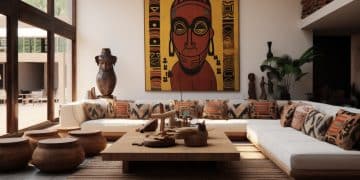
Biophilic interiors South Africa: explore nature-inspired design
Advertisements
Biophilic interiors in South Africa combine natural light, indoor greenery, and organic materials to create welcoming spaces inspired by the country’s diverse landscapes.
This design approach encourages a stronger connection between indoor environments and nature. Thoughtful choices can make homes and workplaces feel more comfortable and visually balanced.
From indigenous plants to sustainable materials, discover practical ways to introduce biophilic design into South African interiors while respecting local climate conditions and personal style.
Advertisements
Understanding Biophilic Design
Biophilic interiors are based on the idea of strengthening connections between people and natural environments. The approach combines visual, sensory, and architectural elements.
Rather than simply placing plants around a room, biophilic design considers daylight, airflow, materials, textures, and views. These features help establish a relationship with nature.
In South Africa, designers can draw inspiration from regional landscapes, including coastal environments, grasslands, forests, and semi-arid regions. This creates opportunities for distinctive interiors.
Principles of Biophilic Design
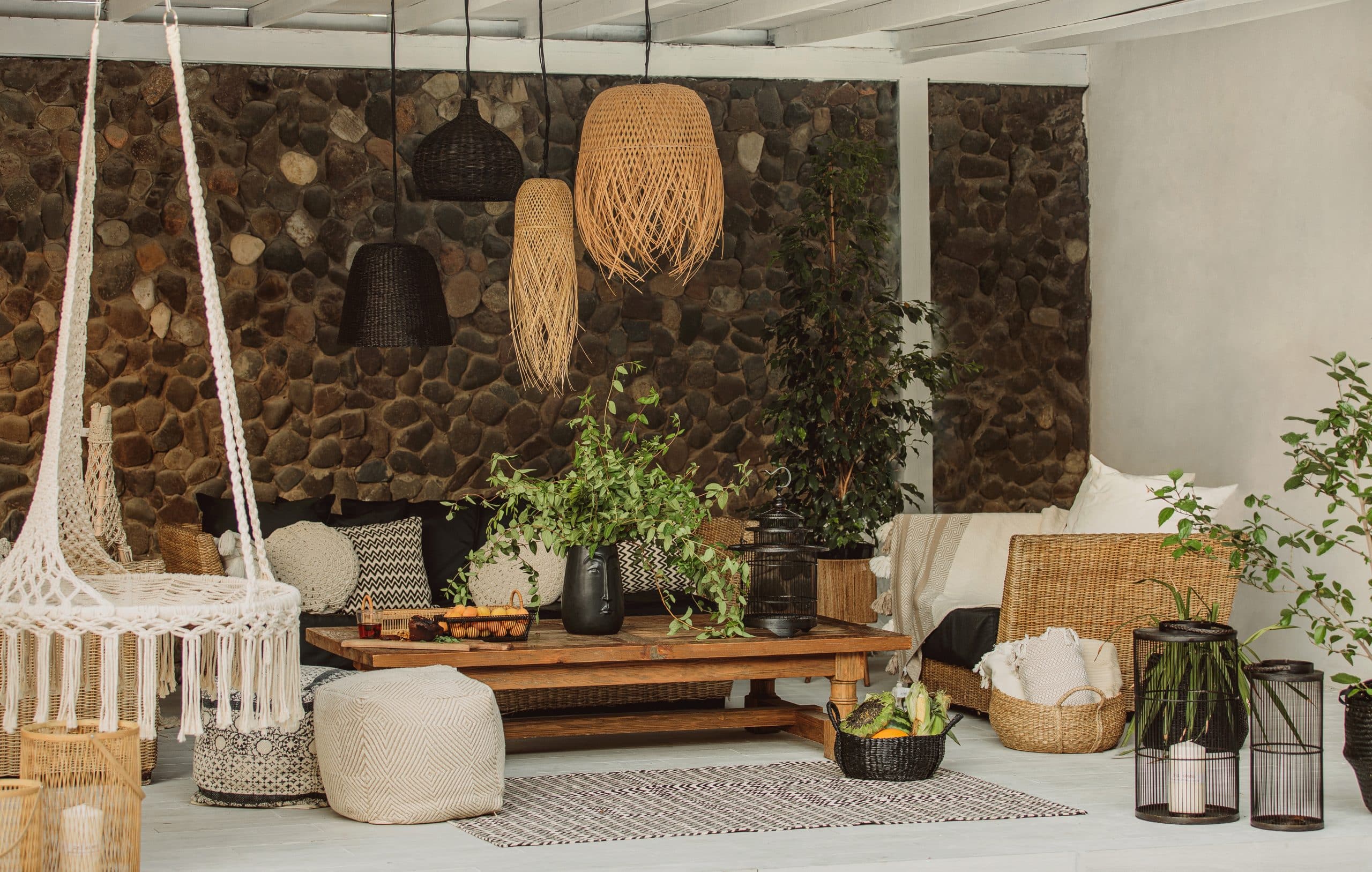
The principles behind biophilic interiors involve introducing natural experiences into everyday spaces. These may include direct contact with greenery and indirect references to nature.
Natural daylight, organic patterns, and varied textures can make a room feel connected to its surroundings. The goal is to create a comfortable environment.
Successful biophilic design also considers practicality. Features should complement the building’s layout, available resources, local climate, and maintenance requirements.
- Natural Light: Use windows, skylights, and suitable openings to introduce daylight.
- Indoor Plants: Select greenery appropriate for available light and maintenance conditions.
- Natural Materials: Incorporate wood, stone, and other materials with organic textures.
- Water Features: Consider small fountains where maintenance, safety, and water availability permit.
- Nature-Inspired Patterns: Introduce shapes, colors, and textures associated with natural environments.
Psychological Benefits
Research into nature-inspired environments suggests that natural elements may support relaxation and psychological well-being. However, outcomes vary between individuals and settings.
Incorporating biophilic interiors into homes or offices may help create spaces that feel calmer and more welcoming. Daylight and outdoor views can contribute to comfort.
These features should complement adequate ventilation, lighting, and functional layouts. Biophilic design is not a substitute for medical treatment or professional mental health support.
Benefits of Biophilic Interiors
Biophilic interiors can improve the visual character of a room by incorporating natural forms, textures, and colors. These elements often create a more inviting atmosphere.
The benefits may extend to comfort and the way occupants experience a space. Access to daylight and greenery can influence personal preferences and satisfaction.
However, results depend on design quality and individual circumstances. A successful interior balances natural features with practical needs such as ventilation and accessibility.
Improved Mental Health
Nature-inspired environments may encourage relaxation and provide pleasant visual experiences. Some research associates exposure to greenery with lower perceived stress.
Using biophilic interiors to support everyday well-being involves creating comfortable spaces rather than promising specific health outcomes. Individual responses can differ.
Plants, daylight, and natural materials may contribute to a welcoming atmosphere. Their effectiveness depends on the overall environment and how people use it.
- Natural Light: Can support comfortable daytime environments when glare and heat are controlled.
- Indoor Greenery: Adds visual interest and opportunities for interaction with plants.
- Natural Textures: Introduces warmth and variety into interior design.
- Outdoor Views: May provide a sense of connection with surrounding landscapes.
Enhanced Productivity
Comfortable workplaces can support concentration and daily activities. Lighting quality, acoustics, temperature, and layout all influence how a space functions.
Within biophilic interiors, natural views and thoughtfully positioned greenery may improve the perceived quality of working environments. However, productivity gains are not guaranteed.
Designers should avoid allowing decorative features to interfere with movement or essential tasks. Functional planning remains important in offices and home workspaces.
Connection to Nature
Maintaining a connection with natural surroundings can be challenging in densely built urban areas. Interior design provides opportunities to introduce nature-inspired features.
Biophilic interiors may include regional plant species, natural materials, and visual connections to gardens. Even modest additions can change the atmosphere of a room.
These choices can also reflect personal experiences with local landscapes. A thoughtful design feels connected to its location rather than following a fixed decorative formula.
Key Elements of Biophilic Spaces
Creating effective biophilic interiors involves selecting elements that complement one another. Natural light, greenery, materials, and spatial organization are important considerations.
Different properties require different solutions. A compact apartment may benefit from smaller plants and strategic lighting, while a larger home can accommodate garden views.
The most suitable choices depend on climate, budget, available space, and maintenance. A balanced approach is often more practical than adding numerous decorative features.
Natural Light
Natural light can make rooms feel brighter and visually connected to outdoor surroundings. Window placement and orientation influence the amount of daylight available.
In biophilic interiors, daylight should be balanced with thermal comfort. Excessive direct sunlight may increase indoor temperatures, particularly during warmer seasons.
Adjustable blinds, curtains, and appropriate shading can help manage brightness. These features allow occupants to enjoy natural light without unnecessary discomfort.
- Window Placement: Make use of available daylight while considering room orientation.
- Adjustable Shading: Control glare and excessive solar heat.
- Reflective Surfaces: Use light-colored finishes to distribute daylight.
- Comfortable Work Areas: Position desks to reduce direct glare on screens.
Indoor Plants
Plants are a familiar feature of biophilic interiors. They introduce organic forms, varying shades of green, and opportunities for decorative arrangements.
However, ordinary numbers of houseplants should not be relied upon to purify indoor air significantly. Ventilation and pollution-source control remain more important.
Choose plants according to lighting conditions, watering needs, and household safety. Some popular indoor species may be toxic to pets or children if ingested.
- Snake Plants: Tolerate a range of indoor conditions but remain toxic to pets if ingested.
- Peace Lilies: Offer decorative foliage and flowers but require attention to pet safety.
- Spider Plants: Provide arching foliage and can adapt to suitable indoor environments.
- Indoor Ferns: Introduce softer textures and often prefer more humid conditions.
Natural Materials
Wood, stone, and natural textiles help create a connection between indoor spaces and the physical environment. Their colors and textures can complement modern furniture.
For biophilic interiors, material selection should consider durability, cleaning requirements, and environmental impacts. Natural materials are not automatically sustainable.
Responsibly sourced wood, durable stone, and suitable fabrics can provide attractive options. Consider product certifications and the expected lifespan of each material.
Incorporating Greenery in Interiors
Greenery plays an important role in many biophilic interiors. Plants can soften architectural lines and introduce visual variation into indoor environments.
Thoughtful plant selection is particularly important in South Africa, where climate conditions differ considerably between regions. Indoor temperatures and humidity also vary.
Begin with a small number of suitable plants before expanding the collection. This allows time to understand their watering, light, and maintenance requirements.
Choosing the Right Plants
Plant selection should begin with the conditions in each room. Some species tolerate indirect light, while others require brighter positions to grow well.
For biophilic interiors, choosing plants suited to the environment can make maintenance easier. Consider growth size, watering frequency, and available space.
Households with pets or young children should check plant toxicity before purchasing. Native species may be appropriate when their specific indoor growing requirements are met.
- Snake Plants: Suitable for various indoor conditions when watered appropriately.
- Pothos: Offers trailing foliage but is toxic to pets if ingested.
- Ferns: Can add lush greenery in environments with suitable humidity.
- Culinary Herbs: Basil and mint can be useful near bright kitchen windows.
- Indigenous Options: Consider locally suitable species after checking indoor cultivation needs.
Placement and Arrangement
Plant placement influences both appearance and growth. Position greenery where it receives appropriate light without obstructing doors, windows, or walkways.
In biophilic interiors, combining different plant heights can introduce visual balance. Shelves, corners, and suitable stands offer flexible display opportunities.
Avoid crowding plants into poorly ventilated areas or placing heavy containers on unstable surfaces. Drainage protection can also help prevent water damage to furniture.
Integrating Greenery with Design Elements
Plants can be combined with timber furniture, stone surfaces, and neutral textiles to create cohesive interiors. Their natural shapes contrast with geometric architectural features.
For larger biophilic interiors, vertical gardens or plant displays can create focal points. These installations require planning for irrigation, drainage, and maintenance.
Smaller homes may benefit from compact shelving or suspended planters where safely installed. The goal is to complement everyday living rather than overwhelm the room.
Enhancing Aesthetics with Natural Materials
Natural materials provide texture and visual character in biophilic interiors. Wood, stone, cotton, and linen can introduce warmth and tactile variety.
Material choices should reflect the intended use of each room. Surfaces exposed to water or frequent cleaning may require more durable finishes.
Combining responsibly sourced products with existing furniture can reduce unnecessary replacement. The most sustainable option may sometimes be maintaining materials already in place.
The Beauty of Wood
Wood is commonly used for furniture, flooring, cabinetry, and decorative details. Its visible grain patterns introduce variation and warmth into interior spaces.
Within biophilic interiors, reclaimed or responsibly sourced timber can provide attractive design possibilities. Suitability depends on treatment, condition, and intended application.
Wooden surfaces require appropriate care to prevent moisture damage and excessive wear. Finish selection should also consider indoor air quality and durability.
- Natural Grain: Adds individual patterns and visual texture.
- Furniture: Provides versatile options for contemporary and traditional interiors.
- Reclaimed Timber: Can support material reuse when properly assessed.
- Protective Finishes: Help maintain surfaces according to their intended use.
Incorporating Stone
Stone surfaces can create a sense of solidity and connection to natural landscapes. Granite, slate, and other materials offer different colors and textures.
In biophilic interiors, stone may be used for countertops, flooring, feature walls, or decorative accents. Each application has different maintenance requirements.
Natural stone is often durable, but some varieties are porous or sensitive to certain cleaning products. Consider sealing, weight, and installation before selecting materials.
- Durability: Many stone materials withstand regular use when appropriately installed.
- Visual Texture: Natural variation can add depth to interior finishes.
- Thermal Properties: Stone can feel cool to the touch in suitable conditions.
- Maintenance: Cleaning and sealing requirements depend on the material.
Organic Fabrics and Textiles
Cotton, linen, and wool can add softness and comfort to rooms dominated by harder surfaces. Their textures complement wood and stone furnishings.
For biophilic interiors, fabrics in earthy colors or botanical patterns can reinforce nature-inspired styling. Product suitability depends on comfort and durability.
Natural fibers are not automatically environmentally preferable in every situation. Consider sourcing, manufacturing processes, certifications, and expected product longevity.
- Comfort: Select textiles suited to furniture, bedding, and room conditions.
- Visual Variety: Use colors and textures inspired by nature.
- Durability: Choose fabrics appropriate for their expected level of use.
- Responsible Sourcing: Review available environmental and material certifications.
Biophilic Design Trends in South Africa
Biophilic interiors in South Africa can draw inspiration from the country’s remarkable environmental diversity. Regional plants, textures, and architectural traditions offer useful starting points.
Nature-inspired design is particularly relevant when balancing indoor comfort with local climate conditions. Shading, daylight, ventilation, and material choices can work together.
Rather than adopting identical design solutions everywhere, homeowners can adapt biophilic principles to their surroundings. Climate-sensitive planning helps create more practical interiors.
Emphasis on Local Flora
South Africa is home to many distinctive indigenous plant species. Incorporating appropriate local greenery can help connect interior spaces with regional landscapes.
For biophilic interiors, plant choices should consider whether a species can thrive indoors. Not every indigenous plant is suitable for household conditions.
Native vegetation can also be incorporated into nearby gardens and outdoor areas. This offers additional opportunities to support local ecological relationships.
- Succulents: Some species work well in bright locations with suitable drainage.
- Aloes: Certain varieties can be used in sunny outdoor or carefully selected indoor settings.
- Proteas: Better suited to appropriate outdoor growing conditions than typical indoor rooms.
- Locally Adapted Plants: Select species according to climate, light, and maintenance requirements.
Integrating Indoor and Outdoor Spaces
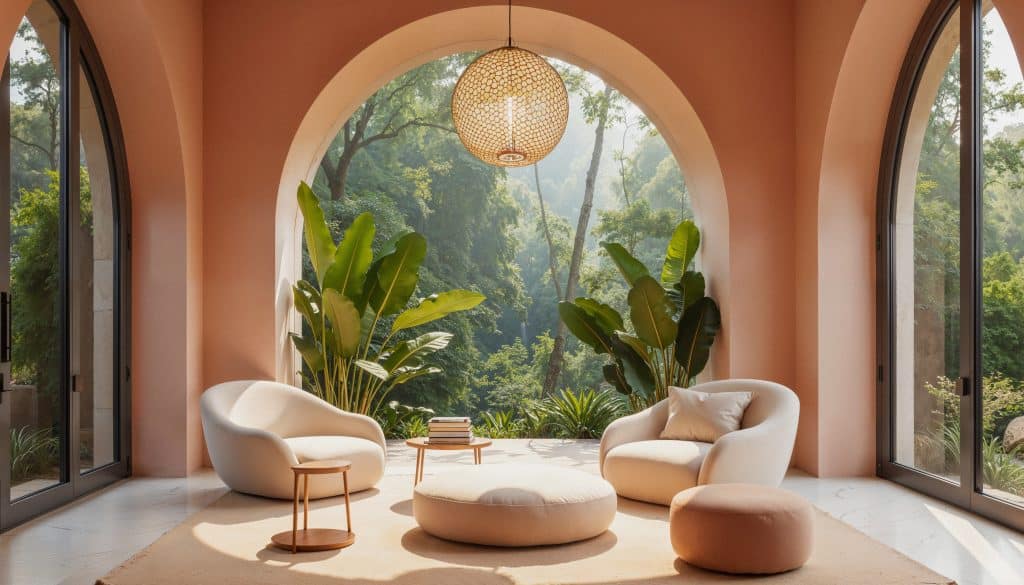
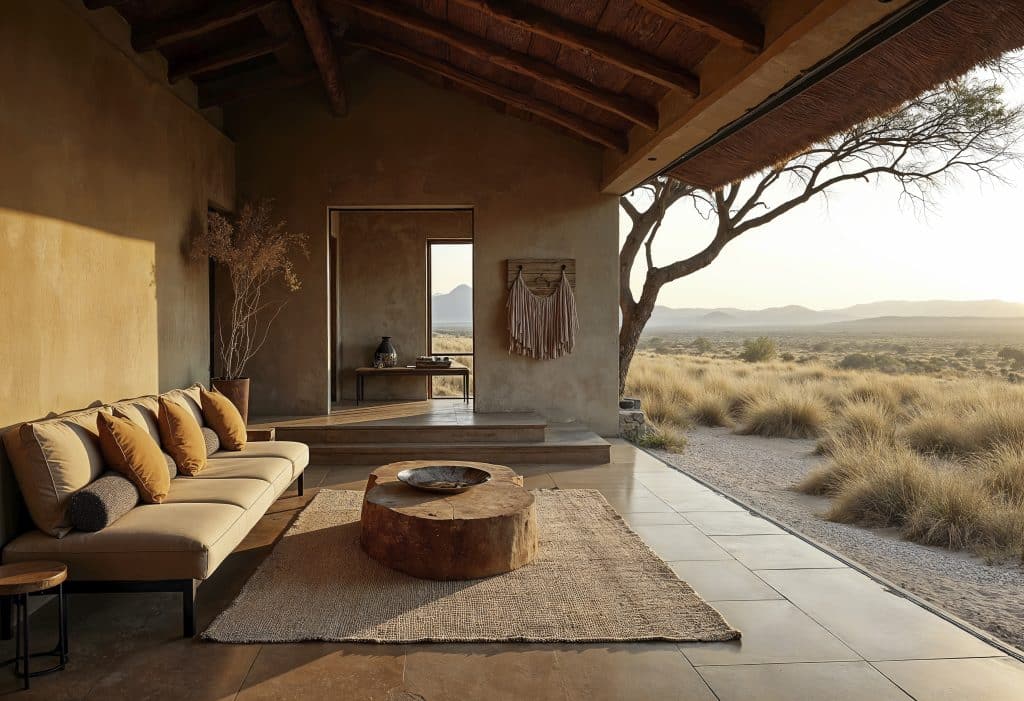
Connections between interior rooms and outdoor areas can make homes feel more integrated with their surroundings. Patios, balconies, and garden views support this approach.
In South African biophilic interiors, large openings may provide daylight and views. However, shading and thermal performance require careful consideration.
Sliding doors, covered terraces, and protected courtyards offer different design possibilities. Good planning balances airflow, privacy, security, and seasonal weather conditions.
Use of Sustainable Materials
Material selection plays an important role in environmentally considerate design. Reclaimed timber, recycled metals, and durable finishes may offer useful alternatives.
When planning biophilic interiors, homeowners can consider product longevity, maintenance, and responsible sourcing. These factors contribute to a broader sustainability assessment.
The United States Environmental Protection Agency provides an overview of sustainable materials management, including the importance of considering materials throughout their life cycles.
Practical Ways to Create Biophilic Interiors on a Budget
Creating biophilic interiors does not always require expensive renovations. Small adjustments can introduce natural textures and improve the visual connection with outdoor spaces.
Begin by using existing daylight more effectively and rearranging furniture to improve access to windows. These changes may be possible without purchasing new products.
Adding a few suitable plants or reusing natural-material furnishings can also refresh a room. The best choices depend on budget and long-term maintenance requirements.
Starting with Small, Affordable Changes
A practical starting point is to identify which natural features are already available. Window views, existing plants, and wooden furniture can become part of a cohesive design.
For budget-friendly biophilic interiors, consider secondhand furniture and low-maintenance greenery. Evaluate item condition before bringing materials into the home.
Choose improvements that are easy to maintain and compatible with the household. A simple design can be more successful than an elaborate arrangement requiring constant attention.
Conclusion
Biophilic interiors in South Africa offer a flexible way to connect indoor environments with natural surroundings. Daylight, greenery, organic textures, and local materials can contribute to inviting spaces.
Successful design requires more than decorative plants. Climate, ventilation, accessibility, material durability, and maintenance all influence the overall experience.
By combining practical choices with regional inspiration, homeowners can create comfortable interiors that reflect their surroundings. Thoughtful planning helps balance aesthetics and everyday functionality.
FAQ – Frequently Asked Questions About Biophilic Interiors Design in South Africa
What is biophilic interiors design?
Biophilic interiors design is an approach that strengthens connections between indoor spaces and nature. It may incorporate natural light, greenery, organic materials, outdoor views, and patterns inspired by natural environments.
How can local flora benefit biophilic interiors design?
Suitable indigenous plants can create a stronger connection with South African landscapes. When used in appropriate outdoor settings, native species may support local ecosystems. Indoor plant selection should account for light, moisture, and growing conditions.
What are some examples of sustainable materials used in biophilic interiors design?
Examples include responsibly sourced timber, reclaimed wood, recycled metals, and durable finishes with suitable environmental characteristics. Sustainability depends on sourcing, production, expected lifespan, and the overall environmental impact of each material.
How does incorporating greenery affect well-being?
Indoor greenery can improve visual appeal and may support relaxation or satisfaction with a space. However, ordinary houseplant arrangements should not replace proper ventilation or be expected to deliver specific medical or indoor air purification benefits.
Author