Cheap family meal ideas in South Africa that taste great

Advertisements
Cheap family meal ideas in South Africa can combine affordable staples such as maize meal, rice, samp, beans, lentils, eggs and seasonal vegetables.
Careful family meal planning, price comparisons and creative use of leftovers can help families prepare varied and nutritious meals while managing grocery costs.
If you’re looking for cheap family meal ideas in South Africa, the starting point is choosing affordable staples that can be transformed into several different meals throughout the week.
Advertisements
Maize meal, rice, samp, dry beans, lentils, potatoes, onions, eggs and seasonal vegetables can provide the foundation for satisfying family dishes without depending on expensive ingredients.
The objective is not simply to buy the cheapest food available, but to combine affordability, nutrition, portion planning and minimal waste so that every grocery purchase provides greater value.
Understanding the Cost of Meals in South Africa
Food costs in South Africa vary significantly according to location, retailer, season, package size and the ingredients included in each household’s normal diet.
The Pietermaritzburg Economic Justice & Dignity Group estimated the average household food basket across monitored areas at approximately R5,452 in April 2026, although individual household spending can differ considerably.
Planning around affordable staples and monitoring changing prices can therefore make a meaningful difference, particularly for families buying food several times during the month.
Factors Influencing Meal Costs
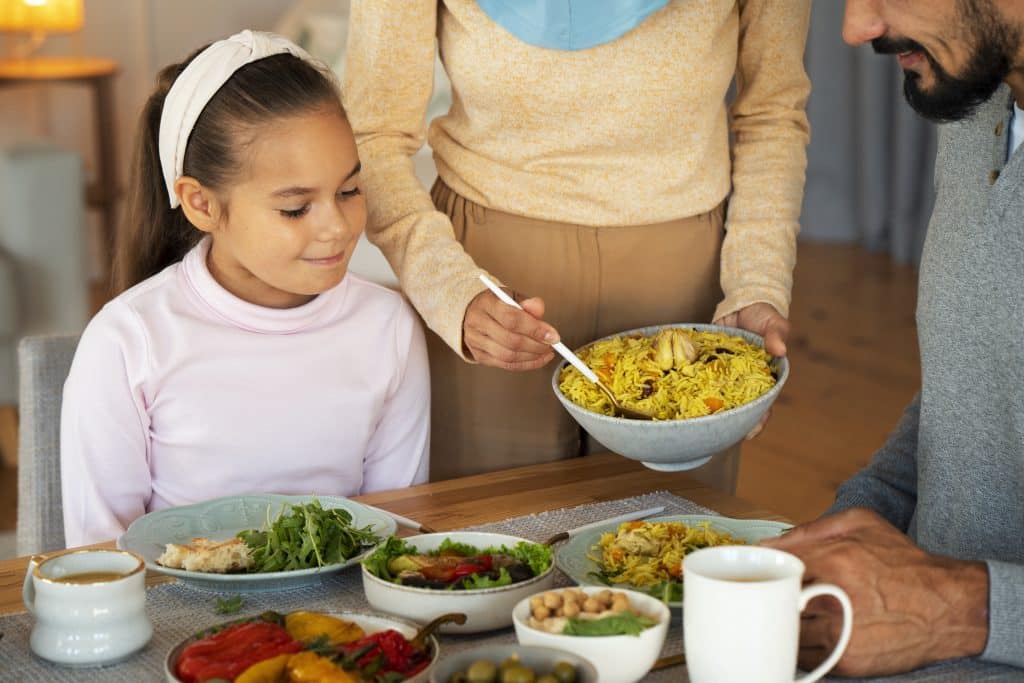
Ingredient selection has one of the largest effects on meal cost because protein, fresh produce and convenience foods can vary substantially in price between stores and seasons.
Location matters as well, with monitored household food baskets showing different total costs in Johannesburg, Durban, Cape Town, Pietermaritzburg, Mthatha and other areas.
Cooking at home also gives families greater control over portions, ingredients and leftovers than regularly purchasing complete prepared meals from restaurants or takeaway outlets.
- Seasonality: Produce that is plentiful locally may offer better value at certain times of year.
- Ingredient choice: Beans, lentils, eggs and soya can provide alternatives to more expensive meats.
- Location: Grocery prices can differ between cities and retailers.
- Preparation: Cooking basic ingredients at home can provide more portions from the same budget.
Meal Planning Tips
A weekly meal plan helps families decide exactly which ingredients are required before entering a supermarket, reducing unnecessary purchases and forgotten food.
Choose several meals that share ingredients, such as onions, carrots, tomatoes, beans and rice, so an opened package can be used in more than one recipe.
Planning a leftovers night or freezer meal also creates flexibility when schedules change and can prevent perfectly usable food from being discarded unnecessarily.
- Plan several meals around the same basic ingredients.
- Check the pantry, fridge and freezer before shopping.
- Include at least one meal designed to use leftovers.
- Freeze appropriate portions before they spoil.
Affordable South African Staples
South African nutrition guidance includes familiar starches such as fortified maize meal, rice, potatoes, samp, bread, macaroni and other grains as practical meal components.
Dry beans, lentils, split peas and soya are particularly useful because they provide protein and fibre while often costing less per serving than many meat products.
Vegetables such as cabbage, carrots, onions, pumpkin, butternut, spinach and locally available greens can then add variety and nutrients without requiring specialty ingredients.
- Maize meal or pap
- Rice and samp
- Dry beans and lentils
- Split peas and soya mince
- Potatoes and sweet potatoes
- Cabbage, pumpkin, carrots and spinach
Five Quick and Affordable Recipes for Families
Simple family meals do not require a long list of specialised ingredients, particularly when affordable staples can be combined with vegetables and modest portions of protein.
The five ideas below can be adjusted according to household size, current supermarket prices and ingredients that are already available in the kitchen.
Quantities can also be increased for batch cooking, allowing families to prepare tomorrow’s lunch or freeze portions instead of starting every family meal from scratch.
1. Pap with Beans and Tomato Relish
Pap provides an affordable and familiar base that can be paired with cooked beans to create a filling family meal without relying heavily on meat.
Prepare a simple relish using onions, tomatoes and available spices, then serve it alongside the beans and pap for additional flavour and moisture.
Adding cabbage, spinach or another affordable seasonal vegetable can increase variety while allowing the same basic family meal to stretch across several portions.
2. Chicken and Vegetable Stir-Fry
Chicken can be stretched further when sliced into smaller pieces and combined with generous quantities of vegetables rather than serving one large piece per person.
Use cabbage, carrots, onions, peppers or frozen mixed vegetables according to what is affordable, then season the mixture with garlic, herbs or a small amount of sauce.
Serve the stir-fry with rice, noodles or another available starch to create a complete family meal from a relatively modest quantity of chicken.
3. Lentil and Vegetable Soup
Lentils are an economical source of protein and fibre and work particularly well in soups because they absorb flavour and create a naturally substantial texture.
Simmer lentils with onions, carrots, tomatoes, potatoes and seasoning, adding additional vegetables that need to be used before they spoil.
Serve the soup with bread or pap if the family needs a larger family meal, and refrigerate or freeze extra portions for another day.
4. Samp and Beans
Samp and beans provide a familiar combination of starch and legumes that can feed several people from inexpensive dried ingredients.
Cooking dried beans requires additional preparation time, so soaking them in advance and preparing a larger batch can make the process more practical.
Onion, curry powder, tomato and available vegetables can be added for flavour, while leftover portions can be reheated for lunch the following day.
5. Egg and Vegetable Skillet
Eggs can provide a practical protein option when meat prices are high, especially when combined with inexpensive vegetables and a filling starch.
Sauté onions, tomatoes, spinach, cabbage or leftover cooked vegetables before adding beaten eggs and cooking everything until the eggs are properly set.
Serve with bread, potatoes or pap, depending on what is already available, to turn a small number of eggs into a larger family meal.
How to Plan Meals on a Budget
Learning how to plan family meal on a budget begins with deciding what the household will realistically eat rather than buying ingredients simply because they are discounted.
A plan should consider how many people will eat each meal, which days are busier and which ingredients need to be used first.
Building the week around several versatile staples can also reduce the number of unique ingredients required and simplify both shopping and cooking.
Start with a Weekly Meal Plan
Write down the main family meal required for the coming week before preparing a shopping list, taking work, school and other commitments into account.
Choose recipes that reuse ingredients strategically, such as cooking beans once and using them in samp, soup or another dish later in the week.
Leave some flexibility rather than planning every portion rigidly because leftovers and unexpected schedule changes can alter what the household actually needs.
Make a Shopping List
A shopping list translates the family meal plan into specific quantities and helps prevent the trolley from filling with unrelated purchases that were never budgeted.
Check cupboards, refrigerator and freezer first so that products already available are removed from the list instead of being purchased again unnecessarily.
Organising the list by categories such as vegetables, protein, grains and household staples can also make supermarket visits faster and easier to manage.
Shop Seasonal and Local
Seasonal produce can sometimes provide better value because availability is higher, although consumers should still compare actual prices instead of assuming local always means cheaper.
Cabbage, carrots, pumpkin, butternut, onions, spinach and other commonly available vegetables can be adapted to many soups, stews and side dishes.
If a particular ingredient becomes expensive, substituting another vegetable serving a similar role is often more economical than following a recipe rigidly.
Use What You Already Have
Before planning new family meal, look through cupboards, refrigerator shelves and freezer drawers for ingredients that are approaching their use-by or best-before periods.
A half bag of rice, cooked beans, vegetables or leftover chicken can often become the starting point for an entirely new meal.
Making this inventory check part of the weekly routine reduces food waste and helps households spend money on genuinely missing ingredients rather than duplicates.
Buy in Bulk Carefully
Larger packages can reduce the price per kilogram for staples such as rice, maize meal, beans or pasta, but the unit price should always be checked.
Bulk purchasing only creates savings when the household can store the product safely and consume it before quality deteriorates or pests become a problem.
Families with limited cash flow may also find smaller packages more practical even when the unit price is slightly higher, so affordability should be considered alongside theoretical savings.
Shopping Tips for Affordable Ingredients
Smart grocery shopping is not simply about finding one supermarket with the lowest advertised prices because different stores may be cheaper for different products.
Families can save by comparing frequently purchased staples, watching promotions and adapting the meal plan when an equivalent ingredient offers substantially better value.
The objective should be reducing the total basket cost while still purchasing enough nutritious food for the household’s actual needs.
1. Compare Prices
Compare the prices of staples you buy repeatedly, such as maize family meal, rice, bread, eggs, milk, beans and chicken, because small differences accumulate over time.
Look at the price per kilogram, litre or unit when package sizes differ, since the largest-looking package is not automatically the cheapest option.
Supermarket apps, catalogues and printed promotions can help with comparison, but travelling long distances for a small saving can eliminate the financial benefit.
2. Use Promotions and Loyalty Discounts
Retail promotions can reduce grocery costs when the discounted item was already part of the household’s planned purchases.
Buying products simply because loyalty points or discounts are offered can have the opposite effect if those items would otherwise have remained outside the budget.
The best approach is to prepare the meal plan first and then use promotions selectively to lower the cost of ingredients already needed.
3. Compare Unit Prices Before Buying Bulk
Bulk packages can provide better value for dry staples, but consumers should calculate the price per kilogram rather than relying on promotional wording.
A smaller package on special may occasionally cost less per unit than the supposedly economical bulk option sitting beside it.
Storage space matters too, particularly for flour, maize family meal, rice and beans that need to remain dry and protected from pests.
4. Choose Affordable Produce Sources
Supermarkets, independent grocers, produce markets and local vendors can offer different prices depending on location, season and supply conditions.
Families can compare quality and price across the options available nearby rather than assuming one type of seller is always cheapest.
Buying quantities that can realistically be consumed is equally important because a very cheap vegetable becomes expensive if half of it is eventually discarded.
5. Use Store Brands Where Appropriate
Private-label products can sometimes cost less than branded equivalents for basic ingredients such as pasta, canned foods, flour or household staples.
Compare nutritional information, package size and unit price rather than assuming either the branded or store-brand product is automatically superior.
For recipes where the ingredient is combined with several others, a less expensive equivalent may perform perfectly well and reduce the total meal cost.
Creative Ways to Use Leftovers
Using leftovers effectively can reduce both food waste and grocery spending by turning food already paid for into part of another family meal.
Safe storage is essential, so cooked food should be cooled, refrigerated appropriately and reheated thoroughly according to normal food-safety practices.
The objective is to transform leftovers intentionally rather than repeatedly serving exactly the same plate until the family becomes tired of it.
Transforming Leftover Proteins
Leftover cooked chicken can be shredded and mixed into rice, pasta, sandwiches, wraps or a vegetable stir-fry instead of serving another full chicken portion.
Cooked beef or mince can similarly become part of a tomato-based sauce, filling or stew when combined with vegetables and additional starch.
Using small quantities of meat as an ingredient rather than the centre of the plate can help one cooked portion stretch into another family meal.
Vegetable Innovations
Cooked vegetables can be added to soups, stews, omelettes or pasta sauces when their texture is no longer ideal for serving independently.
Roasted pumpkin, butternut or potatoes can be mashed or blended into soup, while leftover cabbage or spinach can be incorporated into eggs.
Combining small quantities from several containers can create enough filling for a substantial family meal without requiring an entirely new selection of vegetables.
Creative Breakfast Ideas
Leftover cooked maize meal can sometimes be reheated or adapted according to the family’s preferred breakfast style rather than immediately discarded.
Day-old bread can become French toast, toasted sandwiches or another cooked breakfast when it remains safe and suitable for consumption.
Leftover fruit approaching ripeness can be served with oats or yoghurt, reducing the chance that fresh produce purchased earlier in the week goes to waste.
Rice and Grain Leftovers
Cooked rice can form the base of a fried-rice style family meal using eggs, vegetables and small amounts of leftover meat.
Samp can be reheated with beans, vegetables or tomato-based sauce, turning a side dish into a more complete second meal.
Always cool and refrigerate cooked rice and other prepared foods promptly because safe handling matters just as much as reducing food waste.
Turn Leftovers into Lunch
Dinner leftovers can provide convenient packed lunches for adults or older family members when the food can be transported and stored safely.
Packing portions immediately after dinner also prevents the entire batch from being consumed accidentally or forgotten at the back of the refrigerator.
A planned lunch portion can reduce the need to purchase takeaway food the following day, improving the value obtained from the original meal.
Healthy Meal Ideas That Are Wallet-Friendly
Healthy family meals do not need to depend on costly specialty foods because South African nutrition guidance includes many inexpensive and familiar staples.
Dry beans, lentils, split peas and soya are specifically recognised as useful plant protein sources that can be combined with starches and vegetables.
The goal is variety across the week, balancing affordable starches with vegetables, legumes and appropriate portions of eggs, fish, chicken or meat.
1. Bean and Tomato Salad
Cooked sugar beans or another affordable bean can replace more expensive specialty ingredients while still providing protein and fibre.
Combine the beans with chopped tomato, onion, cabbage or other available vegetables and season with lemon, vinegar, herbs or a simple dressing.
The salad can be served with bread, potatoes or another starch to create a larger family meal, particularly during warmer weather when a heavy stew is less appealing.
2. Vegetable Stir-Fry
A vegetable stir-fry provides a flexible way to use cabbage, carrots, onions, peppers, green beans or frozen vegetables without requiring a fixed recipe.
Adding beans, eggs, soya or a modest amount of chicken can increase protein while keeping the vegetable portion relatively large.
Serve the mixture with rice or noodles and adjust the seasoning according to what is already available in the kitchen.
3. Oats with Seasonal Fruit
Oats provide a practical breakfast base and can be prepared with milk or water according to budget and household preference.
Bananas, apples or another reasonably priced seasonal fruit can provide sweetness and variety without requiring heavily sweetened breakfast products.
Peanut butter can also be added in a modest amount when appropriate, providing flavour and making the breakfast more substantial.
4. Lentil and Vegetable Soup
Lentils combine particularly well with inexpensive vegetables such as carrots, onions, potatoes, pumpkin or tomatoes to create a filling family soup.
Spices and stock can provide flavour without requiring large amounts of meat, making the recipe adaptable when grocery budgets are under pressure.
Prepare a larger pot when possible and divide the extra soup into portions for another meal, provided it is stored and reheated safely.
5. Samp and Beans with Vegetables

Samp and beans offer a more locally relevant budget meal than quinoa and imported-style ingredients that may cost considerably more in South African supermarkets.
Add onion, tomato, carrots, cabbage or spinach to increase the vegetable content while creating a larger pot that can serve several people.
The dish takes longer to prepare when dried ingredients are used, but batch cooking can reduce the amount of active preparation required for later meals.
6. Pap, Spinach and Egg
Pap can be combined with cooked spinach or another leafy vegetable and eggs to create a simple meal using familiar ingredients.
Preparing the vegetables with onion and tomato can add flavour while eggs provide additional protein without requiring a large portion of meat.
The same basic combination can be varied with beans, pilchards or other affordable proteins depending on prices and household preferences.
7. Pilchards with Pap and Vegetables
Pilchards are included among fish options in South African nutritional guidance and can provide an alternative to fresh meat or more expensive fish.
Serve them with pap and cooked cabbage, spinach or tomato relish to create a balanced meal using relatively simple ingredients.
Compare brands and tin sizes because prices vary, and check sodium and sauce options when choosing between different canned products.
Making Meat Stretch Further
Meat can represent a significant share of the cost of a family meal, particularly when every person receives a large individual portion.
Rather than eliminating meat entirely, households can combine smaller quantities with beans, lentils, vegetables and starches to increase the number of servings.
This approach allows meat to contribute flavour and protein while affordable ingredients provide more of the volume needed to feed the family.
Combine Meat with Beans or Lentils
Mince can be stretched by adding cooked lentils or beans to tomato-based sauces, stews and fillings without dramatically changing the basic meal.
The combination can increase the number of portions obtained from one package of meat while also adding fibre to the dish.
Start with a modest substitution and adjust according to family preference, since changing familiar recipes gradually may make them easier to accept.
Use Chicken Pieces Strategically
Chicken pieces can be cooked in stews or curries with potatoes and vegetables rather than always being served as separate individual portions.
Sauce-based dishes make it easier to distribute flavour throughout the meal while vegetables and starch provide additional volume.
Comparing the price per kilogram of different cuts can also help households decide which option currently offers better value.
Include Meat-Free Meals
One or two meat-free meals each week can reduce dependence on higher-cost proteins while increasing the variety of foods served.
Beans, lentils, split peas, soya and eggs can all provide alternatives depending on the recipe and dietary needs of the household.
A lentil curry, bean stew or samp-and-beans meal can still be substantial enough for dinner without requiring meat as the main ingredient.
How to Build a Low-Cost Weekly Menu
A practical weekly menu should balance cost, nutrition and the amount of time available for cooking rather than focusing exclusively on the cheapest possible meals.
Using one large batch of beans, rice or vegetables across several dishes reduces preparation time while helping ingredients move through the kitchen before spoiling.
The example below can be adjusted based on supermarket specials, household preferences and ingredients already available in the pantry.
Plan Around Two or Three Main Staples
Choose affordable staples such as maize meal, rice and beans as the starting point for several meals rather than buying a completely different base every day.
One batch of beans might accompany pap on Monday, become part of soup on Wednesday and appear in a salad or stew later.
Repeated ingredients do not need to mean repetitive meals when sauces, vegetables and preparation methods are varied throughout the week.
Schedule Expensive Ingredients Carefully
If chicken or meat is included, plan those meals intentionally rather than buying several packages without deciding when they will be used.
Use more perishable items earlier in the week and rely on dried, frozen or shelf-stable ingredients later when practical.
This sequencing can reduce waste while preventing an expensive ingredient from being forgotten in the refrigerator until it is no longer usable.
Include a Leftovers Day
Leaving one meal deliberately unplanned creates space to use portions that accumulated during the previous days instead of cooking another complete recipe.
Leftover rice, beans, vegetables and proteins can be combined into stir-fries, soups, omelettes or mixed bowls depending on what remains.
If there are no leftovers, the same evening can use a simple pantry meal such as eggs, beans, pap or lentil soup.
Conclusion
Preparing affordable family meals in South Africa is easier when households build menus around familiar staples such as maize meal, rice, beans, lentils, samp, eggs and seasonal vegetables.
Meal planning, price comparison, batch cooking and thoughtful use of leftovers can improve the value obtained from groceries without requiring complicated recipes or expensive specialty foods.
The most sustainable budget strategy is one the family can maintain consistently, adapting ingredients to changing prices while still preserving variety and adequate nutrition.
FAQ – Frequently Asked Questions about Budget-Friendly Family Meals
What are some cheap family meals in South Africa?
Pap with beans and tomato relish, samp and beans, lentil soup, vegetable stir-fry, egg dishes and pilchards with vegetables are practical options.
Are beans and lentils good budget foods?
Yes. South African nutritional guidance identifies dry beans, split peas, lentils and soya as useful sources of protein and fibre.
Is quinoa a good choice for a cheap South African family meal?
It can be nutritious, but locally familiar staples such as samp, maize meal, rice, beans and lentils are often more appropriate when the primary goal is affordability.
How can I reduce the amount I spend on meat?
Use smaller meat portions in stews and sauces, combine mince with lentils or beans and include several meat-free meals during the week.
How can I plan meals on a budget?
Create a weekly menu, check existing ingredients, prepare a shopping list and choose several meals that reuse the same affordable staples.
What should I look for when shopping for affordable ingredients?
Compare unit prices, supermarket promotions and package sizes, and prioritise ingredients that can be used in several different meals.
Is buying in bulk always cheaper?
No. Compare the price per kilogram or unit and consider whether your household can safely store and consume the larger quantity.
What are good ways to use leftovers?
Leftover proteins, vegetables, rice and grains can become soups, stir-fries, omelettes, packed lunches or fillings for another meal.
Are healthy meals necessarily expensive?
No. Affordable ingredients such as beans, lentils, maize meal, samp and seasonal vegetables can form part of a varied diet without requiring expensive specialty foods.
Author