Eco friendly interiors South Africa: Transform your space
Advertisements
Eco friendly interiors South Africa combine thoughtful material choices, energy-efficient lighting, second-hand furniture, and practical decorating ideas to create attractive living spaces with a smaller environmental footprint. Discover sustainable home design strategies suitable for South African households.
Eco friendly interiors South Africa offer homeowners practical ways to create comfortable, attractive spaces while considering energy consumption, waste, and the environmental impact of household materials.
From choosing reclaimed furniture to installing LED lighting, sustainable decorating does not necessarily require a complete renovation or an expensive interior design project.
Advertisements
This guide explores materials, living room ideas, indoor plants, and creative DIY projects that can help South African households make more thoughtful decorating decisions.
Benefits of Eco Friendly Interiors
Eco-friendly interiors design focuses on reducing unnecessary consumption while creating spaces that remain functional and visually appealing.
This approach encourages homeowners to consider how furniture, finishes, lighting, and everyday purchasing decisions affect their living environment.
Although the results depend on individual choices, combining durable materials with efficient equipment can support a more resource-conscious household.
Health Benefits
Choosing interior paints and finishes with low volatile organic compound emissions can help reduce certain indoor chemical emissions.
However, low-VOC labels do not automatically mean a product is harmless. Proper application, ventilation, and compliance with manufacturer instructions remain essential.
Materials that are easy to maintain, resist unnecessary moisture accumulation, and suit the household’s needs can also contribute to a more comfortable indoor environment.
Environmental Impact
Using existing furniture for longer can reduce the need for replacement products and help limit waste associated with discarded household items.
Reclaimed wood, recycled materials, and responsibly sourced products may also offer environmental advantages, depending on manufacturing and transportation impacts.
Before buying, consider durability, repairability, and whether the purchase is truly necessary. Sustainability involves more than selecting products advertised as natural.
Aesthetic Appeal
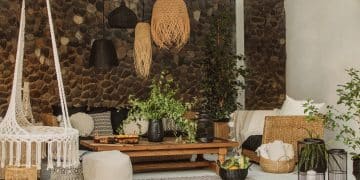
Sustainable interiors can incorporate many decorating styles, including minimalist spaces, contemporary designs, and warm rooms featuring natural textures.
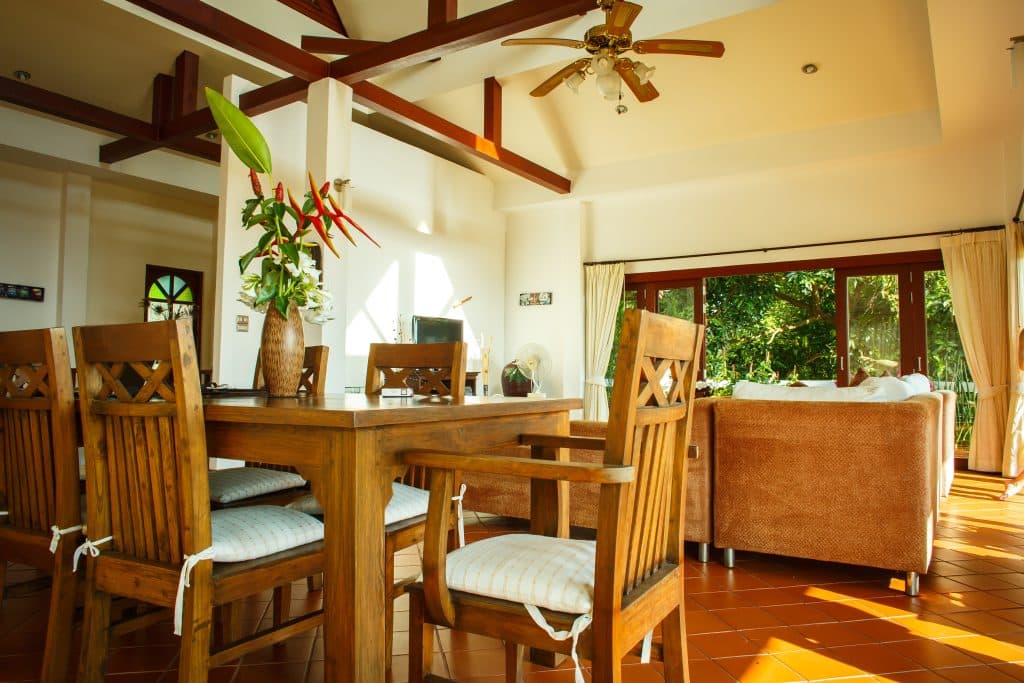
Wood, woven materials, ceramics, and carefully selected fabrics can help create visual interest without requiring large amounts of new furniture.
Indoor plants may also provide decorative value and make rooms feel more welcoming, although they should not be relied upon as a substitute for adequate ventilation.
Top Materials for Sustainable Design
Material selection plays an important role in the appearance, durability, and potential environmental impact of an interior design project.
South African homeowners can explore reclaimed timber, recycled components, cork, bamboo products, and suitable locally manufactured materials.
However, the environmental performance of each option depends on sourcing, processing, transportation, and expected product lifespan.
Recycled Materials
Recycled materials can provide useful alternatives for selected interior applications, especially when products meet the necessary quality and safety standards.
Recycled glass may be used in decorative surfaces, while reclaimed wood can be suitable for furniture, shelving, or certain flooring projects.
Reused fabrics and recovered materials may also work well for decorative accessories, provided they remain safe, clean, and appropriate for their intended use.
Bamboo
Bamboo is a fast-growing plant used in flooring, furniture, and decorative products, offering an alternative to some conventional materials.
However, bamboo products vary considerably in manufacturing methods, adhesives, finishes, and transportation requirements.
Before purchasing, review available product information and choose durable items from suppliers that provide credible sourcing and quality details.
Cork
Cork is obtained from cork oak bark and is used in flooring, wall coverings, and decorative accessories.
Its texture and cushioning properties can make it an appealing material for certain interior applications.
Nevertheless, product finishes, adhesives, installation conditions, and maintenance requirements should be considered when evaluating its suitability.
Locally Sourced and Reclaimed Wood
Reclaimed timber can add distinctive character to furniture and eco friendly interiors features while extending the usefulness of existing materials.
Locally sourced products may reduce some transportation requirements, although distance alone does not establish a product’s total environmental impact.
Look for appropriate sourcing documentation, suitable treatment, and reliable construction quality when selecting wooden items for South African homes.
Creating a Green Living Room
A sustainable living room can begin with simple changes to existing furniture arrangements, lighting, and decorative accessories.
Rather than purchasing a completely new furniture collection, consider which items can be repaired, repositioned, or refreshed.
This approach allows homeowners to maintain their preferred style while reducing unnecessary spending and material consumption.
Natural Light and Ventilation
Arranging furniture to make use of daylight can help reduce the need for artificial lighting during suitable daytime conditions.
Light-coloured surfaces and carefully positioned mirrors may help distribute available light throughout the room.
Ventilation should also be considered in relation to weather, outdoor air quality, and household comfort. Opening windows is not always appropriate in every condition.
Furniture Selection
Second-hand furniture can provide an opportunity to acquire durable pieces without immediately purchasing newly manufactured alternatives.
Check the condition of frames, upholstery, and surfaces before buying, particularly when an item requires repair or refurbishment.
Multifunctional furniture may also help households make better use of limited floor space without adding unnecessary items.
Sustainable Decor
Decorative accessories made from ceramics, responsibly sourced wood, or recovered materials can complement a sustainable living room design.
Handmade pieces from local creators may provide distinctive styling options while supporting nearby businesses.
Choose accessories that fit your existing colour palette and available space. A carefully selected arrangement can be more effective than filling every surface.
Designing for South African Weather Conditions
South Africa includes regions with different summer temperatures, winter conditions, and seasonal rainfall patterns.
Homeowners should therefore consider local conditions when choosing curtains, window treatments, ventilation strategies, and furniture materials.
Durable fabrics, appropriate shading, and practical room layouts can help create comfortable eco friendly interiors without relying entirely on energy-consuming equipment.
Energy-Efficient Lighting Solutions
Lighting is a practical area where households can improve energy efficiency without undertaking major structural renovations.
Choosing efficient bulbs and using natural light appropriately may reduce electricity consumption associated with everyday lighting.
South African electricity provider Eskom encourages consumers to use energy-efficient lighting and switch off lights when they are not required.
LED Lighting
LED bulbs generally use less electricity than traditional incandescent lighting when providing comparable brightness.
They are available in different colour temperatures, including warm white and cooler tones, allowing homeowners to choose lighting suitable for each room.
Before purchasing replacements, check the fitting type, brightness rating, and compatibility with existing fixtures.
Smart Lighting Systems
Smart lighting controls can allow users to schedule lights, change brightness, or operate compatible bulbs remotely.
However, smart features do not automatically guarantee lower electricity consumption. Savings depend on how lighting is used.
Simple timers, motion sensors, and consistent habits may be sufficient for many households without requiring expensive connected systems.
Incorporating Dimmers
Dimmer switches allow users to adjust light intensity according to the activity and atmosphere required.
Compatible dimmable LED bulbs can provide flexible lighting while using less power at certain reduced brightness settings.
Check whether existing switches, bulbs, and fittings are compatible before installation, and use a qualified electrician when electrical modifications are required.
Making Better Use of Natural Light
Natural daylight can support bright and welcoming eco friendly interiors while reducing the need to use artificial lights during part of the day.
Sheer curtains, suitable blinds, and unobstructed windows may help homeowners manage natural light according to their preferences.
In particularly warm rooms, shading can also help limit unwanted solar heat gain, reducing the need for additional cooling in some circumstances.
Incorporating Plants Into Your Space
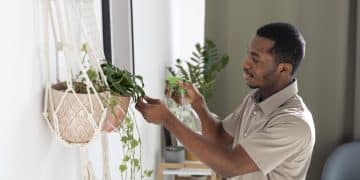
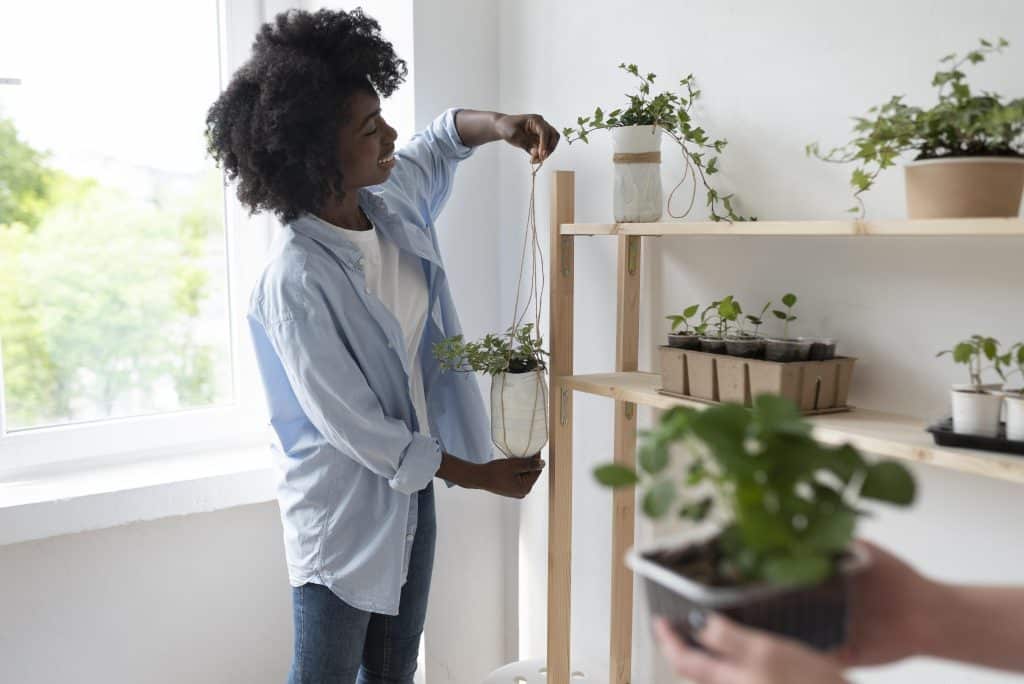
Indoor plants can introduce natural shapes, colour, and texture into living areas, bedrooms, kitchens, and other suitable spaces.
They can also provide an enjoyable gardening activity for households interested in caring for greenery indoors.
However, ordinary numbers of houseplants have not been shown to significantly purify indoor air under typical home conditions.
Choosing the Right Plants
Select indoor plants according to available sunlight, humidity, watering requirements, and the amount of space available.
Snake plants, pothos, and certain ferns are popular options, although their needs differ and not every species tolerates the same conditions.
If your household includes pets or small children, check the toxicity and safety of individual species before introducing them indoors.
Create a Green Corner
A dedicated plant corner can bring greenery into a living room without requiring plants to occupy every available surface.
Use planters at different heights and select species that can thrive in the lighting conditions of the chosen location.
Reused containers or durable pots may complement an eco-friendly decorating approach, provided drainage and plant health requirements are addressed.
Window Sills and Shelves
Window sills and shelving can provide practical locations for smaller plants where sufficient light is available.
Herbs such as basil or mint may work in suitable kitchen locations, although their growth depends on light, watering, and temperature conditions.
Protect wooden surfaces from moisture and avoid placing heavy or unstable containers where they could fall.
Keeping Indoor Plants Healthy
Different plant species require different watering schedules, so checking soil moisture is generally more useful than following one universal routine.
Use appropriate potting mixes and containers with suitable drainage to help avoid prolonged waterlogging.
Inspect plants for pests and damaged leaves regularly. Healthy plant care supports an attractive indoor display without unnecessary replacement purchases.
DIY Eco Friendly Interiors Decor Ideas
Do-it-yourself decorating projects can help homeowners refresh their spaces while reusing materials already available at home.
Small projects such as repainting existing furniture, reusing containers, or repairing decorative items may reduce the need for additional purchases.
However, reclaimed materials must be evaluated for safety, durability, and suitability before being used in furniture or household accessories.
Repurposing Old Items
Glass jars can be reused for suitable storage or decorative arrangements, provided they are clean and appropriate for their intended purpose.
Older wooden furniture may be refreshed through cleaning, appropriate repairs, or refinishing techniques.
Before transforming an object into a new household item, check for sharp edges, instability, deteriorating materials, or other safety concerns.
Natural Materials
Branches, dried flowers, cork, and other suitable materials can provide inspiration for simple decorative projects.
For example, recovered wood can be used for selected picture frames or decorative displays when properly cleaned and prepared.
Consider durability and maintenance before using natural materials indoors, since some products may deteriorate or attract pests if untreated.
Upcycling Furniture
Upcycling involves adapting an existing item to serve a new purpose or refreshing its appearance instead of discarding it.
An older chair may be reupholstered, while a worn table can sometimes be repaired or refinished with products suitable for its material.
Reclaimed wooden pallets may also be used in certain DIY projects, including coffee tables, but they must be checked for treatment markings, contamination, and structural safety.
Budget-Friendly Sustainable Decorating
Creating an eco-friendly interiors does not require replacing everything in a home with newly marketed sustainable products.
Repairing existing furniture, shopping second-hand, and changing the arrangement of decorative items can provide affordable starting points.
Prioritise changes that offer practical benefits, such as better lighting, improved storage, or longer-lasting furniture.
How to Plan Eco Friendly Interiors in South Africa
Planning a sustainable home design project begins with identifying the areas where changes would provide the greatest practical value.
Electricity consumption, worn furniture, inefficient lighting, and unnecessary decorative purchases are common areas worth reviewing.
A gradual approach can help households balance environmental goals, comfort, and budget limitations.
Start With an eco friendly interiors Design Assessment
Walk through each room and identify items that are damaged, unused, difficult to maintain, or unnecessarily energy-intensive.
Separate improvements that are genuinely needed from decorative changes that can be postponed.
This approach helps establish priorities and may prevent avoidable spending on products that do not solve an existing problem.
Support Local Suppliers and Craftspeople
Local furniture makers, repair services, and craftspeople may provide alternatives to replacing household items with imported products.
Ask suppliers about material sourcing, durability, repair options, and the expected lifespan of the products they offer.
Supporting local businesses can be an additional consideration, although environmental claims should still be evaluated individually.
Balance Sustainability With Practical Costs
Compare the initial price of new equipment with its likely maintenance requirements, electricity consumption, and expected useful life.
For example, an efficient light bulb may cost more initially than a less efficient alternative but consume less electricity during use.
Actual savings depend on usage patterns and electricity tariffs, so household decisions should be based on realistic calculations.
Eco Friendly Interiors South Africa: Key Takeaways
Eco friendly interiors South Africa combine practical choices involving materials, furniture, lighting, and household maintenance.
Reusing existing items, selecting durable products, and reducing unnecessary electricity consumption can be useful starting points for sustainable decorating.
The following table summarises five principles that can help homeowners create attractive interiors while making more informed environmental choices.
FAQ – Frequently Asked Questions about Eco-Friendly Interiors
What are eco-friendly interiors?
Eco-friendly interiors are living spaces designed with attention to material sourcing, durability, energy use, waste reduction, and everyday practicality. Sustainable decorating can include second-hand furniture, efficient lighting, reclaimed materials, and products selected for their long-term usefulness.
How can I start making my home eco-friendly interiors?
Begin with manageable improvements such as switching to energy-efficient lighting, repairing existing furniture, choosing durable materials, and avoiding unnecessary purchases. Review household electricity use and select changes that fit your budget and local living conditions.
What are some DIY projects for eco friendly interiors decor?
Practical ideas include refreshing older furniture, repurposing suitable glass containers, creating decorative frames from recovered wood, and making plant holders from safe reusable materials. Always check the condition and suitability of materials before using them indoors.
Why is it important to use energy-efficient lighting?
Energy-efficient lighting can reduce the amount of electricity needed to illuminate a home. LED bulbs generally consume less energy than traditional incandescent lamps, and appropriate switching habits can provide additional savings. Actual financial benefits depend on electricity prices and usage.
Conclusion
Developing eco friendly interiors South Africa begins with practical decisions that balance appearance, household needs, and environmental considerations.
Reclaimed furniture, appropriate indoor plants, efficient lighting, and thoughtful DIY projects can help create attractive spaces without requiring a complete renovation.
By prioritising durable materials, sensible energy use, and products that serve a genuine purpose, homeowners can build interiors that remain comfortable, functional, and resource-conscious over time.
Author