Healthy lifestyle tips on a budget that work wonders

Advertisements
A Healthy Lifestyle on a Budget can combine nutritious food, regular activity, mental well-being, and smart spending. Small practical choices can support health without requiring expensive products or services.
Planning groceries, cooking at home, and using free exercise resources can reduce everyday costs. Community programs can also provide additional opportunities for fitness and wellness.
The goal is to build routines that are realistic and sustainable over time. Consistency with simple habits can make healthy living more manageable financially and practically.
Advertisements
Understanding a Budget-Friendly Healthy Lifestyle
A Healthy Lifestyle on a Budget focuses on improving well-being while keeping everyday expenses under control. Nutrition, physical activity, and mental wellness can all be addressed economically.
Healthy living does not necessarily depend on premium foods, expensive equipment, or costly memberships. Many useful habits can be incorporated into normal daily routines.
Planning is especially important because it helps prioritize spending and reduce unnecessary purchases. A structured approach can make healthier choices easier to maintain.
Key Principles of a Healthy Lifestyle

Nutrition, movement, and mental well-being are three important parts of a balanced lifestyle. Each can be supported through simple and affordable daily habits.
Healthy eating may involve planning meals, while physical activity can include walking or exercising at home. Mental wellness can be supported through relaxation and social connection.
Balancing these areas can make health goals feel more realistic. The focus should remain on consistent habits rather than expensive solutions.
Nutrition on a Budget
Eating nutritious food does not always require a large grocery budget. Planning meals around affordable ingredients can help control costs while maintaining variety.
- Plan meals based on sales and seasonal produce.
- Opt for whole foods over processed items.
- Buy in bulk when possible to save money.
- Grow your own herbs and vegetables at home.
Cooking meals at home also gives you greater control over ingredients and portion sizes. It can reduce reliance on takeout or convenience foods that may cost more.
Using the same ingredients across several meals can further reduce waste. Simple planning can therefore support both nutrition and household budgeting.
Affordable Exercise Options
Physical activity is another important part of a Healthy Lifestyle on a Budget. Many forms of exercise can be done without paying for a gym membership.
- Take walks or jogs in your neighborhood or local parks.
- Follow free workout videos online.
- Join community sports teams or classes that are often low-cost.
Daily activities can also contribute to overall movement. Walking short distances or choosing stairs can add more activity without creating additional expenses.
Consistency is generally more important than having expensive equipment. Choosing activities that fit naturally into your routine can make them easier to maintain.
Mental Well-Being on a Budget
Mental well-being can also be supported through inexpensive or free practices. Meditation, breathing exercises, journaling, and gentle movement can all be done at home.
Free community activities may provide opportunities for social connection and relaxation. Spending time with supportive people can be an important part of overall wellness.
Combining physical, nutritional, and mental habits creates a more complete approach to health. These areas can work together without significantly increasing spending.
Grocery Shopping on a Budget
Grocery shopping plays an important role in maintaining a Healthy Lifestyle on a Budget. Planning purchases can make nutritious meals more affordable and reduce unnecessary spending.
A clear grocery strategy can also limit impulse purchases and food waste. Knowing what you already have at home makes it easier to buy only what is needed.
Prices can vary between stores, seasons, and product categories. Comparing options can help households stretch their food budget further.
Planning Your Grocery List
Meal planning before shopping can provide a clear structure for your grocery list. It helps connect each purchase with a specific meal or household need.
- Review what you already have at home to avoid duplicating items.
- Incorporate seasonal fruits and vegetables, which are often cheaper and fresher.
- Create meals around sales and discounts from your local grocery store.
A prepared list can also reduce impulse buying. This makes it easier to stay focused on ingredients that fit both your budget and meal plan.
Planning ahead can make shopping faster and more predictable. It can also help reduce unused food at the end of the week.
Choosing the Right Store
Different grocery stores may offer better prices for different categories. Comparing local options can reveal opportunities to save on produce, pantry items, or bulk purchases.
Discount and warehouse stores can sometimes provide lower prices, particularly for products with a long shelf life. Buying large quantities is useful only when the food will actually be used.
Convenience foods may also cost more than basic ingredients. Preparing meals from simple foods can offer more flexibility while helping control spending.
Using Coupons and Apps
Coupons, loyalty programs, and grocery apps can provide additional savings. Many stores publish weekly offers digitally or reward regular customers with discounts.
- Download grocery store apps that provide weekly ads.
- Use coupon apps that give cash back on purchases.
- Join social media groups focused on saving money on groceries.
Discounts are most useful when they apply to items you already need. Buying unnecessary products simply because they are discounted may increase spending instead.
Flexibility can also help when unexpected deals appear. Adjusting meals around affordable ingredients can make the weekly grocery budget more efficient.
Affordable Meal Prep Strategies
Meal preparation can support a Healthy Lifestyle on a Budget by reducing the need for last-minute food purchases. Preparing ahead also makes healthy options more convenient.
Using ingredients across several recipes can lower costs and reduce waste. Meals that store or freeze well are particularly useful for busy weeks.
Meal prep does not need to involve complicated recipes. Simple combinations of grains, vegetables, and protein sources can provide practical everyday meals.
Choosing the Right Recipes
Budget-friendly recipes often rely on versatile ingredients that can be used in several meals. This reduces the number of separate products needed each week.
- Brown rice or quinoa as a base.
- Seasonal vegetables for added nutrients.
- Legumes like beans or lentils for protein.
Using overlapping ingredients can also reduce leftovers that go unused. The same vegetables or grains can often be incorporated into different dishes.
Recipes should fit your schedule as well as your budget. Simple meals are more likely to remain useful when preparation time is limited.
Batch Cooking
Batch cooking involves preparing larger portions at one time and dividing them into several meals. This can reduce the amount of daily cooking required.
- Saves meal preparation time during the week.
- Reduces food spoilage by cooking what you have.
- Allows for controlled portion sizes.
Soups, stews, casseroles, and similar dishes often work well for batch preparation. Many can be stored or frozen and reheated when needed.
This approach can also make portions easier to manage. Having prepared meals available may reduce the temptation to order takeout during busy periods.
Using Budget-Friendly Storage Options
Meal storage helps protect food quality and makes prepared meals easier to organize. Containers do not necessarily need to be expensive to work effectively.
Reusable jars or existing food containers may sometimes be suitable alternatives. Labeling containers with meal names and dates can also improve organization.
Food should be stored appropriately to maintain safety and freshness. Good storage practices can help reduce waste and make meal preparation more economical.
Inexpensive Ways to Stay Active
Staying physically active does not require an expensive gym membership. Walking, home workouts, and community activities can support a Healthy Lifestyle on a Budget.
The most practical activities are often those that are easy to repeat consistently. Choosing options close to home can also reduce transportation expenses.
Exercise can be incorporated gradually into everyday routines. Regular movement can come from formal workouts or simple recreational activities.
Utilizing Outdoor Spaces
Public parks, walking paths, and recreational areas can provide free spaces for exercise. Outdoor activities also offer an opportunity to spend time away from indoor routines.
- Walking or jogging on nearby trails.
- Playing sports like soccer or basketball with friends or family.
- Enjoying outdoor exercise classes often held in parks.
These activities can be adapted to different fitness levels and schedules. Exercising with friends or family may also provide additional motivation.
Local outdoor spaces make physical activity more accessible without specialized equipment. They can therefore become a regular part of an affordable routine.
Home Workouts
Home workouts provide another low-cost way to remain active. Many exercises use body weight rather than dedicated fitness equipment.
- Following workout videos available online for free.
- Using your body weight for exercises like push-ups, sit-ups, and squats.
- Incorporating dancing or movement to your favorite music.
Online resources can provide guided routines for different experience levels. A small open area at home may be enough for many types of exercise.
Home workouts also reduce travel time and membership costs. Their flexibility makes them easier to fit around work and other responsibilities.
Community Resources
Community organizations may provide free or low-cost physical activities. Programs vary by location, so checking local schedules can reveal additional options.
- Free fitness classes through community centers.
- Group walks or runs organized by local health organizations.
- Classes that focus on yoga, Zumba, or other activities.
Group activities can add a social element to exercise. Meeting others with similar goals may help participants remain motivated.
Using local resources can therefore support both physical activity and community connection. These programs may complement home or outdoor exercise routines.
Finding Free Community Resources
Community resources can support a Healthy Lifestyle on a Budget by providing access to educational, recreational, and wellness opportunities. Many are available at little or no cost.
Community centers, libraries, and local organizations are useful places to begin searching. Programs differ by area and may change throughout the year.
Using these services can reduce the need to pay for similar private resources. They may also provide opportunities to connect with other people locally.
Local Community Centers
Community centers often host programs related to exercise, nutrition, and general wellness. Some activities may be free while others charge a relatively small participation fee.
- Fitness classes like yoga, aerobics, or dance.
- Workshops on nutrition and healthy cooking.
- Health screenings and wellness checks.
These facilities can provide access to activities without requiring long-term memberships. Schedules can usually be checked directly with the center.
Participation can also introduce people to others with similar interests. This social component may make healthy routines more enjoyable.
Public Libraries
Public libraries can provide more than books and traditional reading materials. Many offer educational programs, digital resources, and community events.
- Books and materials on health, nutrition, and exercise.
- Access to health and fitness programs, such as seminars.
- Online resources, including fitness apps and ebooks.
Library programs can help people learn about wellness without purchasing courses or subscriptions. Available resources vary according to the local library system.
Community events may also introduce new activities and information. Libraries can therefore become a useful part of an affordable wellness routine.
Community Health Organizations
Local health organizations may provide programs designed to support community wellness. Their services can include education, group activities, and support initiatives.
- Support groups focusing on healthy living initiatives.
- Free fitness events, such as group runs or outdoor yoga.
- Community challenges promoting wellness, like walking or cycling challenges.
These programs can provide both information and motivation. Participants may benefit from having structured activities and shared goals.
Checking local organizations regularly can reveal new opportunities. Free community resources can make healthy habits easier to maintain over time.
DIY Health and Wellness at Home
Many wellness habits can be practiced at home without significant spending. Exercise, cooking, and mindfulness can all become part of a personalized daily routine.
A home-based approach provides flexibility because activities can be adapted to available time and space. It also reduces dependence on memberships or paid services.
Creating simple routines can support a Healthy Lifestyle on a Budget. The focus should remain on practical habits that are comfortable to repeat consistently.
Creating a Home Workout Space
A dedicated workout area can make home exercise easier to maintain. It does not need to be large or equipped with expensive machines.
- Use yoga mats for stretching and flexibility exercises.
- Incorporate body-weight exercises, like push-ups and squats.
- Create your own workout routines using free online resources.
Even a small clear area can provide enough space for many body-weight exercises. Keeping basic equipment nearby may make starting a workout more convenient.
A consistent location can also reinforce the habit of exercising regularly. The goal is simply to create an environment that supports movement.
Making Your Own Healthy Meals
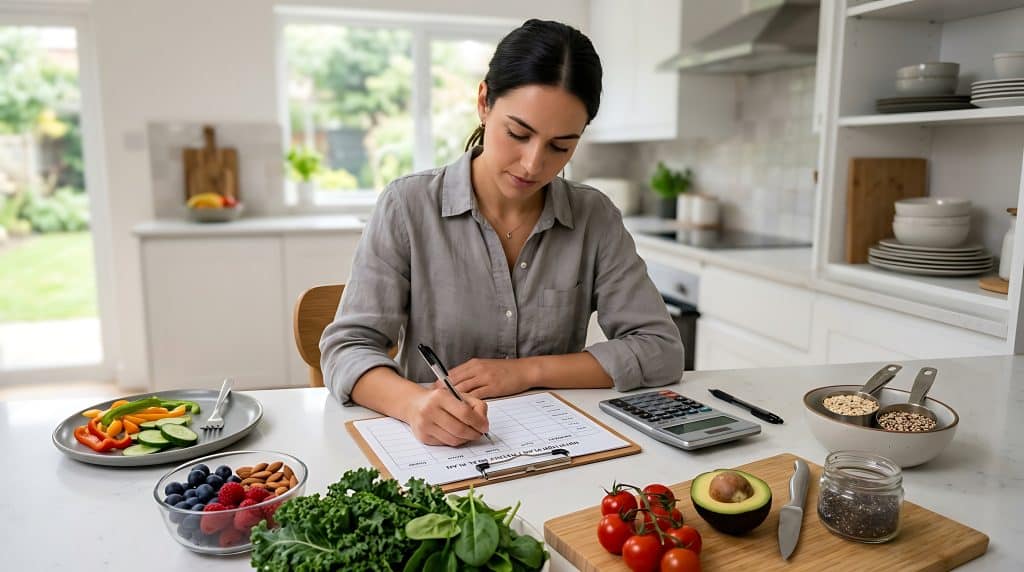
Cooking at home provides more control over ingredients, portions, and spending. Simple meals can be built around affordable foods already available in the kitchen.
- Plan your meals for the week to avoid unnecessary spending.
- Experiment with herbs and spices you have to enhance flavors.
- Prepare batches of food and store portions for later use.
Meal planning can also reduce the number of last-minute purchases. Preparing extra portions creates convenient options for later in the week.
Using ingredients efficiently helps limit food waste while keeping meals varied. Home cooking can therefore support both wellness and budget goals.
Engaging in Mindfulness Practices
Mindfulness practices can be incorporated into daily routines without substantial costs. Meditation, journaling, and breathing exercises are examples that can be practiced at home.
- Try guided meditation apps that often offer free content.
- Create a relaxing space for reading or journaling.
- Engage in deep breathing exercises to reduce stress.
Creating a quiet routine may provide time to relax and focus. These practices can be adjusted according to personal preferences and schedules.
Combining mindfulness with nutritious eating and regular movement creates a broader wellness routine. Each element can be adapted without requiring extensive spending.
Conclusion
A Healthy Lifestyle on a Budget can be built around planning, consistency, and accessible resources. Healthy habits do not necessarily require expensive memberships or specialized products.
Cooking at home, shopping carefully, exercising in free spaces, and using community programs can all reduce costs. Mindfulness and home-based wellness activities provide additional options.
Small habits can become more meaningful when maintained consistently. Choosing realistic routines can make healthy living easier to sustain over the long term.
FAQ – Frequently Asked Questions about Healthy Living on a Budget
What are some easy tips for grocery shopping on a budget?
Plan your meals before shopping, create a focused grocery list, check what you already have at home, and look for sales or seasonal ingredients.
How can I stay active without paying for a gym?
Use local parks for walking or jogging, follow free workout videos, perform body-weight exercises at home, or look for free and low-cost community activities.
What are some affordable meal prep strategies?
Choose recipes that use similar ingredients, prepare larger batches, and store meals in individual portions. Foods such as grains, vegetables, beans, soups, and stews can work well for meal preparation.
Where can I find free community resources for health and wellness?
Check local community centers, libraries, and community health organizations for fitness programs, workshops, educational resources, wellness events, and other free or low-cost activities.
Author