Lighting plan for warm ambience: Create the perfect space
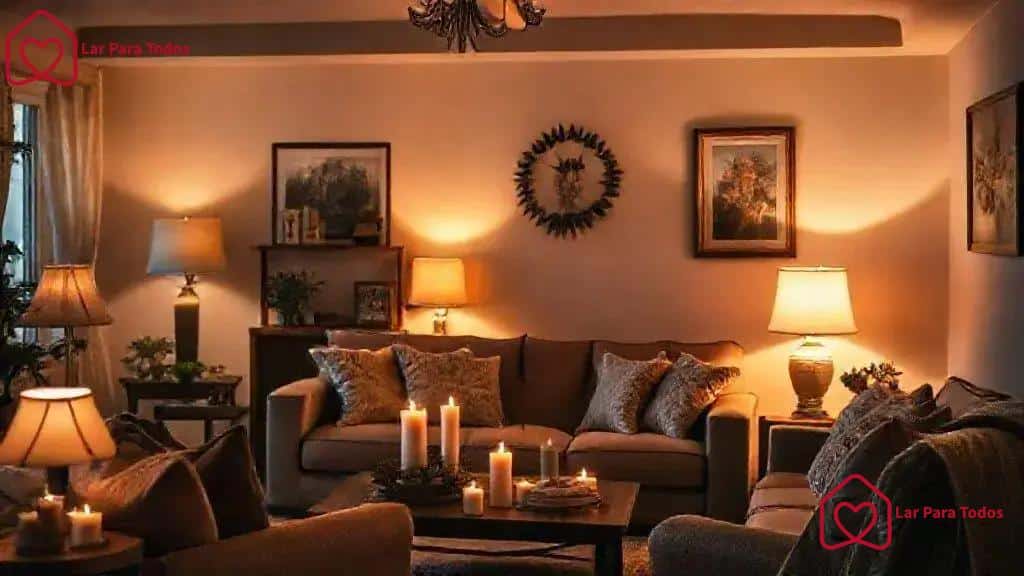
A lighting plan for warm ambience involves layering different light sources, using warm bulbs around 2700K to 3000K, and incorporating dimmers to create inviting spaces for various moods and occasions.
A lighting plan for warm ambience can truly enhance your living space, making it feel inviting and comfortable.
Have you ever noticed how the right lighting can completely change the mood in a room?
Let’s dive into how to create that warm glow that makes every corner of your home feel like a cozy retreat.
Understanding the psychology of warm lighting
Understanding the psychology of warm lighting is essential when designing an inviting space.
Different lights elicit various feelings, and knowing how they work can help you create the perfect atmosphere for any room.
Warm lighting is typically defined by its soft, yellowish glow. This type of lighting can make a space feel cozy and inviting.
People often prefer warm tones because they mimic natural sunlight during golden hour, which is when daylight is soft and calming.
This makes warm lighting ideal for areas like living rooms, bedrooms, and dining spaces.
Benefits of warm lighting
Incandescent bulbs and warm LED lights are two popular choices for achieving a soft glow. They encourage feelings of relaxation and comfort.
- Creates a cozy atmosphere.
- Encourages relaxation and peace.
- Enhances the beauty of decor.
- Promotes social interaction.
Incorporating warm lighting into your home can lead to improved mood and well-being. When you walk into a room bathed in soft light, it automatically feels more welcoming.
This is crucial in places where you want to unwind or connect with others. It’s interesting to note that colors and brightness play a role in how warm lighting affects our perception.
For instance, when used appropriately, warm lighting can make spaces look larger and more inviting.
By using it strategically, you can guide attention to key areas of a room. Finally, remember that everyone reacts differently to light levels.
Experiment with your lighting plan to find what works best for you.
Key elements of a warm ambience lighting plan
Creating a warm ambience lighting plan involves several key elements that can transform your space into a cozy retreat.
Understanding these elements is essential to achieving the right look and feel.
One of the most critical aspects is the type of light bulb you choose. Warm white light (around 2700K to 3000K) is often preferred for its ability to create a soft, inviting glow.
Another important factor is the fixture style. Choosing fixtures that complement your decor while diffusing light evenly can enhance the overall effect.
Layering light in your design
Layering light is vital for creating depth and warmth. This involves using a mix of ambient, task, and accent lighting. Each layer serves a unique purpose.
- Ambient lighting: Provides overall illumination.
- Task lighting: Helps with specific tasks like reading or cooking.
- Accent lighting: Highlights artwork or architectural features.
Incorporating dimmer switches is another excellent strategy. They allow you to adjust the brightness, giving you control over the mood.
By dimming the lights, you can easily shift from a lively gathering to a quiet evening at home.
Don’t forget about the color of the walls and furnishings. Warm colors like earthy tones and soft pastels enhance the effectiveness of your lighting plan.
The combination of warm lighting plan with these colors can make the space feel more welcoming.
Additionally, the placement of your light sources is crucial. Avoid harsh shadows and ensure light distribution is even throughout the room.
Experiment with the height and angle of your fixtures to achieve the desired effect.
Popular warm lighting options to consider
When planning a warm lighting plan setup, there are several popular options that can help you achieve the desired effect.
Each type of lighting creates a different atmosphere, making it essential to choose wisely.
One widely favored choice is the classic incandescent bulb. These bulbs emit a warm, inviting glow, perfect for creating cozy environments.
Another excellent option is the warm LED bulb, which not only saves energy but also comes in color temperatures that mimic the soothing tones of incandescent lights.
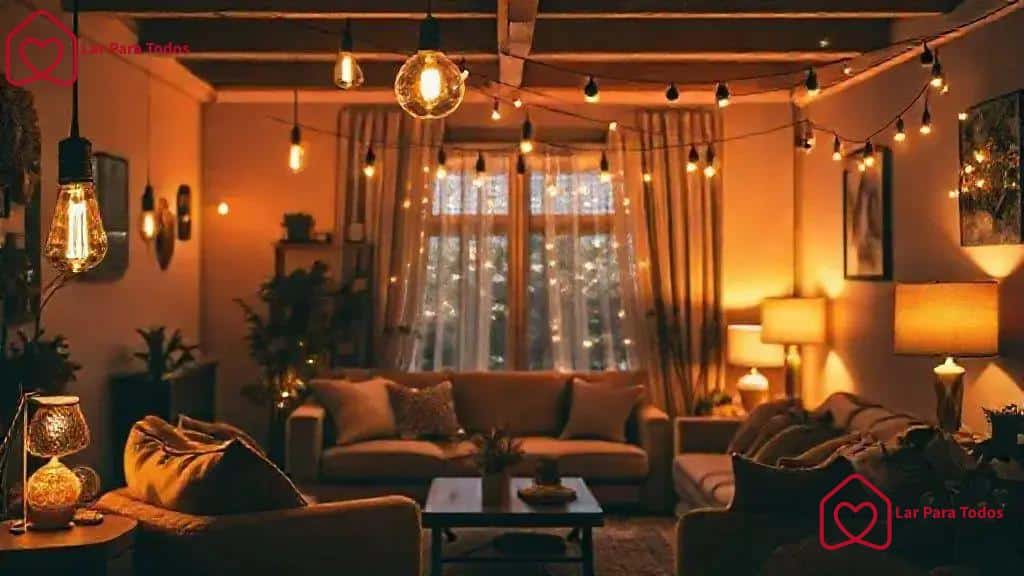
Types of warm lighting
There are various sources of warm lighting to consider, each with its unique attributes:
- Table lamps: Ideal for creating soft light in reading areas.
- Wall sconces: Excellent for adding warmth to hallways or feature walls.
- String lights: Perfect for outdoor spaces or to add a magical feel indoors.
- Floor lamps: Great for lighting up corners and providing ambient light.
Additionally, using candlelight can enhance the warm ambience as it creates a soft, flickering glow.
Incorporating dimmable lights in your fixtures allows for versatility in brightness, helping you craft the right mood for any occasion.
Remember, the color of the light you choose makes a significant difference. Warm colors enhance the cozy feeling, while cooler tones can create a stark contrast.
Balancing various light sources will ensure an inviting atmosphere throughout your living spaces.
Techniques for layering light in your space
Layering light in your space is a crucial technique to create depth and a warm atmosphere.
By combining different lighting types, you can achieve a more dynamic and inviting environment. Understanding how to effectively use each light layer is essential.
To start, it’s important to identify the three main types of lighting: ambient lighting, task lighting, and accent lighting.
Each plays a specific role in enhancing the overall mood of your room.
Ambient lighting
This is the base layer that provides general illumination. It fills the entire room with a soft glow.
Consider using ceiling fixtures, wall-mounted lights, or floor lamps for this purpose.
Choosing warm tones in your ambient light can help evoke feelings of comfort.
Task lighting
Task lighting is focused illumination designed for specific activities. Examples include table lamps for reading or pendant lights above kitchen islands.
Ensure that the light is adequate for the tasks being performed, as this will improve functionality without sacrificing style.
Accent lighting
Accent lighting adds drama to your space by highlighting artwork or architectural features.
Use spotlights or wall sconces to create focal points. This type of light should be brighter than your ambient lighting to draw attention effectively.
One effective method for layering light is to use dimmer switches. This allows you to modify the brightness depending on the time of day or mood.
In addition, consider the placement of your light sources. For a balanced look, space your light fixtures evenly throughout the room.
Another technique is to mix and match different fixtures, such as combining a chandelier with recessed lighting and floor lamps.
This not only adds visual interest but also ensures that every corner of the room is well-lit.
Finally, be creative with the angles of your light fixtures. Adjusting the angles can create soft shadows and enhance the overall atmosphere.
Adjusting lighting for different moods and occasions
Adjusting lighting for different moods and occasions is essential to creating the right atmosphere in your home.
The ability to change the light in a room can dramatically impact how you feel and interact with your space.
One of the best ways to achieve mood lighting plan is by utilizing dimmers.
These allow you to control the brightness, making it easy to create a soft glow for a cozy evening or bright light for activities like reading.
Different moods and how to achieve them
Here are some common moods you might want to evoke:
- Relaxing: Use soft, warm lighting from table lamps or floor lamps. Dimmers can help set the desired level.
- Energetic: Brighter, cooler lights can help stimulate your energy levels. Consider using overhead lights or bright task lamps during the day.
- Romantic: To create a romantic atmosphere, opt for candles or fairy lights. The flickering light adds warmth and charm.
- Focused: Bright task lighting is ideal for areas where concentration is key, like reading or working. Use adjustable desk lamps that can direct light exactly where you need it.
In addition to dimmers, layering lighting can also enhance your space. Combining different types of light sources while adjusting their intensity creates depth and comfort.
For example, pairing wall sconces with table lamps can provide a balanced light source that feels welcoming.
Utilizing smart lighting tech can be a game-changer. Smart bulbs can be programmed to change color and brightness at specific times, aligning with your daily routines.
Imagine waking up to soft, warm light that gradually brightens, simulating a natural sunrise.
Always consider the time of day and activity when adjusting your lights. During the day, make use of natural light by opening curtains or blinds.
In the evening, switch to warmer tones to help you wind down. By understanding how to manipulate your lighting, you create versatile spaces suited for any occasion.
Common mistakes to avoid in lighting design
When planning your lighting design, it’s essential to avoid common mistakes that can diminish the overall effect.
Many people overlook these errors, and they can significantly impact the ambience of a space.
One frequent mistake is relying solely on one type of lighting. Using only ambient light can lead to areas that are too dim or harsh.
Instead, it’s important to incorporate task and accent lighting to create balance. This layering adds depth and functionality to your design.
Choosing the wrong bulb temperature
Another common error involves selecting the incorrect bulb temperature. Using too cool a light can make a room feel sterile.
Opt for warm tones around 2700K to 3000K for a cozy feel, particularly in living rooms and bedrooms.
Ignoring the layout
Failing to consider the layout of your furniture can also impact lighting plan effectiveness. Light sources should illuminate key areas without creating harsh shadows or glare.
Strategically place lamps to ensure that every space is well-lit and inviting.
Overlooking dimmer switches
Additionally, neglecting to use dimmer switches is a mistake that limits your ability to adjust lighting according to different occasions.
Dimmers allow you to personalize the brightness, making your space adaptable for relaxing evenings or active gatherings.
Also, be mindful of the scale of your fixtures. Oversized or undersized lighting can disrupt the visual balance of a room.
Choose fixtures that complement the size of the space, enhancing its character without overwhelming it.
Finally, consider the maintenance of your lighting design. Forgetting to factor in easy access for changing bulbs or cleaning fixtures can lead to frustration down the line.
Plan your layout with both aesthetics and practicality in mind for a successful lighting design.
FAQ – Frequently Asked Questions about Lighting Plan Design
What is the importance of layering lighting?
Layering lighting enhances the depth and ambiance of a room, making it more inviting and functional.
How do I choose the right bulb for my space?
Select warm bulbs between 2700K and 3000K for cozy environments, and consider the function of each room.
Why should I use dimmer switches?
Dimmers allow for flexibility in adjusting light brightness, helping to create the perfect mood for any occasion.
What common mistakes should I avoid in lighting design?
Avoid relying on a single light source, using incorrect bulb temperatures, and neglecting the layout of your fixtures.