Local artisan decor South Africa: a guide to unique finds
Advertisements
Local artisan decor in South Africa brings handmade craftsmanship, cultural expression, and distinctive materials into residential interiors. Discover where to find authentic pieces, how to combine them with modern furniture, and the best ways to care for wood, ceramics, textiles, and decorative objects.
Local artisan decor South Africa offers homeowners an opportunity to decorate their spaces with handcrafted objects that reflect creativity, skilled workmanship, and diverse artistic traditions.
From woven baskets and ceramic vessels to carved wooden sculptures and handmade textiles, South African artisan decor provides alternatives to conventional mass-produced accessories.
Advertisements
Exploring local artisan decor in South Africa can help you discover distinctive pieces, support independent makers, and create interiors that feel more personal and thoughtfully arranged.
Understanding the Artisan Decor Trend
The growing interest in local artisan decor in South Africa reflects an appreciation for handcrafted products, traditional skills, and decorative objects with identifiable origins.
Artisan decor can incorporate techniques passed between generations alongside contemporary design approaches, creating pieces suited to traditional and modern interiors.
However, handmade production does not automatically guarantee environmental sustainability or fair working conditions. Buyers should consider materials, sourcing, and the maker’s practices.
What Is Artisan Decor?
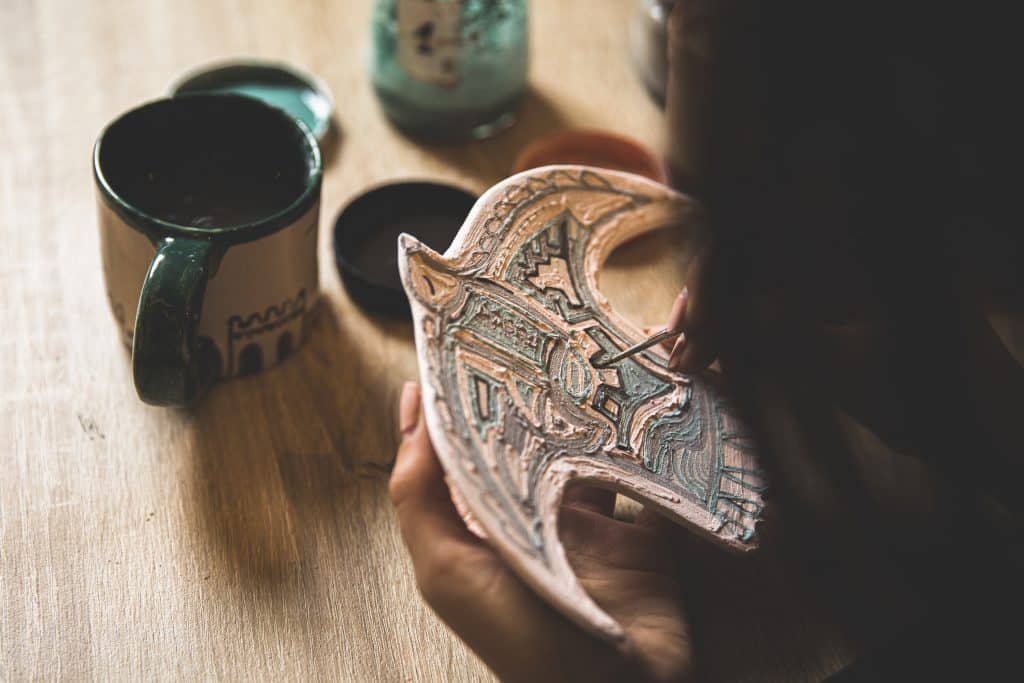
Artisan decor refers to decorative or functional objects created through skilled craftsmanship, often involving substantial manual work and specialized techniques.
Examples include handwoven baskets, pottery, beadwork, carved wooden ornaments, and textiles produced by independent makers or small workshops.
Unlike standardized factory products, individual handmade pieces may feature small variations in texture, pattern, and finish that reflect the production process.
Benefits of Choosing Artisan Decor
Adding local artisan decor South Africa to a home can introduce distinctive colors, materials, and craftsmanship that complement existing furniture.
Purchasing directly from makers may also provide an opportunity to understand the production process and support an independent creative business.
The benefits vary according to the product and its origin. Quality, environmental impact, and ethical production should be evaluated individually.
- Distinctive Design: Handmade objects can introduce individual character into a room.
- Craftsmanship: Skilled makers use specialized materials and techniques.
- Local Economic Support: Direct purchases may support independent artisans and small businesses.
- Cultural Appreciation: Authentic pieces can reflect meaningful artistic traditions.
- Long-Term Use: Well-made items may remain functional and attractive with proper care.
How to Spot Authentic Artisan Decor
Authenticity matters when purchasing local artisan decor in South Africa, especially when sellers describe objects as handmade or connected to specific cultural traditions.
Ask who made the piece, where it was produced, and which materials or techniques were used. Clear information can help distinguish genuine craftsmanship from generic products.
A higher price or imperfect appearance does not automatically prove authenticity. Reliable seller information and direct communication are more useful indicators.
- Ask for information about the maker or workshop.
- Review the materials and manufacturing techniques.
- Look for clear product descriptions and provenance details.
- Check whether cultural symbols are represented respectfully.
- Compare prices while considering labor, quality, and materials.
Why Support Local Artisans?
Supporting local artisans in South Africa can help sustain independent creative businesses and provide opportunities for skilled makers to reach customers.
Craft traditions also contribute to cultural expression through techniques, patterns, materials, and artistic knowledge developed within communities.
Purchasing thoughtfully can support these activities, particularly when customers understand the origin of an item and the business behind its production.
Benefits of Supporting Local Artisans
Buying from a local maker may provide greater insight into the craftsmanship involved than purchasing an object with little information about its origin.
For shoppers interested in local artisan decor South Africa, direct purchases can also create opportunities to request specific sizes, colors, or customized designs.
Still, not every artisan product is necessarily superior in durability or environmental performance. Evaluate each piece according to its actual characteristics.
- Creative Independence: Supporting individual makers and workshops.
- Traditional Knowledge: Encouraging the continued use of specialized craft techniques.
- Personalized Products: Exploring custom-made items when available.
- Community Connections: Learning about makers and their creative processes.
How to Support Local Artisans
Discovering local artisan decor in South Africa does not always require making a large purchase. Visiting exhibitions and learning about makers can also support awareness.
Consider following independent workshops online, sharing their work with interested friends, and purchasing directly when practical.
For larger orders, discuss timelines, deposits, delivery conditions, and customization requirements before completing the transaction.
- Visit craft markets and local exhibitions.
- Explore independent shops and artisan cooperatives.
- Follow makers through their verified social media pages.
- Recommend businesses based on genuine experiences.
- Ask about commissioned pieces and production lead times.
Where to Find Artisan Decor in South Africa
Finding local artisan decor South Africa involves exploring markets, specialist retailers, independent workshops, and online stores.
Different shopping channels offer distinct advantages. Markets may allow direct conversations with makers, while online platforms provide a wider range of products.
Before traveling or ordering, verify opening hours, seller details, available inventory, and delivery conditions because these can change.
Local Markets and Fairs
Craft markets are useful places to discover handmade pottery, woven products, textiles, and decorative objects from different producers.
Visitors exploring local artisan decor in South Africa can often compare styles in person and ask sellers about production methods.
Markets may also feature resellers alongside original makers. Ask whether products were produced by the seller or sourced from another workshop.
Design and Craft Shops
Specialist craft shops and design retailers may curate handmade products according to materials, artistic traditions, or contemporary interior design styles.
These stores can be helpful when selecting local artisan decor South Africa for a particular room or searching for coordinated collections.
Some retailers work directly with artisans, while others use broader supplier networks. Check the provenance of individual products when authenticity matters.
- Artisan Cooperatives: Groups supporting makers through shared commercial activities.
- Specialist Craft Shops: Retailers focusing on handmade decorative objects.
- Art Galleries: Spaces presenting selected decorative and artistic works.
- Independent Studios: Workshops offering original or commissioned pieces.
Online Platforms
Online shopping can make it easier to discover South African makers without visiting a physical market or store.
Platforms such as Etsy and independent e-commerce websites may feature local artisan decor in South Africa, although seller location and product origin should be verified.
Review shipping fees, return policies, product measurements, and customer feedback before ordering, particularly when purchasing fragile or oversized decorative objects.
- Search for independent South African artisan websites.
- Review handmade product listings on established marketplaces.
- Explore verified social media storefronts.
- Check seller contact information and delivery policies.
Questions to Ask Before Purchasing
Before choosing local artisan decor South Africa, request information about the item’s dimensions, materials, intended use, and maintenance requirements.
For ceramics, ask whether the piece is intended for decorative use only or is suitable for food, water, or heat exposure.
For wooden or textile products, check whether the finish is sensitive to moisture, sunlight, or cleaning agents. These details can prevent damage after purchase.
Top Materials Used in Artisan Decor
The materials used in local artisan decor in South Africa influence appearance, durability, weight, and maintenance needs.
Common categories include wood, natural and manufactured fibers, clay, metal, glass, and combinations of different materials.
Understanding these characteristics helps homeowners choose suitable items for living rooms, bedrooms, entrances, and other spaces.
Natural Wood
Wooden artisan decor can include bowls, sculptures, trays, furniture, and decorative panels, with each piece displaying different grain patterns.
For local artisan decor South Africa, wood species and sourcing should be confirmed rather than assumed from color or appearance alone.
Different woods react differently to humidity, sunlight, and cleaning products. Follow the maker’s care instructions to protect finishes and avoid unnecessary damage.
- Teak: Known for durability and frequently used in furniture.
- Oak: Valued for strength and distinctive grain patterns.
- Pine: Often selected for relatively lightweight, affordable furniture and decorative projects.
Textiles
Handcrafted textiles can introduce color, softness, and texture through cushions, woven wall decorations, rugs, and other accessories.
Textile-based local artisan decor in South Africa may incorporate cotton, wool, jute, or other fibers depending on the maker’s technique.
Fiber composition affects washing and storage requirements. Delicate dyes, embroidery, or handmade construction may need specialist cleaning rather than machine washing.
- Cotton: A versatile fiber used in many woven and printed products.
- Wool: Suitable for selected rugs, blankets, and decorative textiles.
- Jute: A plant fiber commonly found in baskets, rugs, and decorative accessories.
Metals and Ceramics
Metalworking and ceramics provide different decorative possibilities, from small sculptural ornaments to substantial functional pieces.
Metal objects may feature polished, painted, or intentionally aged finishes, while ceramics can incorporate glazing, carving, and hand-painted patterns.
When selecting local artisan decor South Africa, consider the intended purpose of each item. Decorative ceramics should not be assumed suitable for food or drinking water.
- Brass: Often used for decorative accents and sculptural details.
- Iron: Suitable for sturdy frames, furniture components, and metalwork.
- Aluminum: Lightweight and adaptable to different decorative forms.
- Ceramics: Available in glazed and unglazed finishes with different care requirements.
Beadwork and Woven Materials
Beadwork and weaving are important forms of creative expression in different South African craft traditions, with techniques and meanings varying by community.
Handmade baskets, decorative panels, and beaded objects can provide striking visual details without requiring large furniture changes.
When purchasing culturally significant local artisan decor in South Africa, learn about the maker and avoid assuming that every pattern represents the same tradition or meaning.
How to Incorporate Artisan Pieces Into Your Home
Adding local artisan decor South Africa to an existing interior can create visual interest without requiring an extensive renovation.
The most effective arrangements often combine a limited number of expressive handmade pieces with furniture and accessories already in the room.
Consider scale, color, placement, and functionality before purchasing. A piece should complement the space while remaining safe and practical to display.
Choose a Focal Point
A focal point draws attention to a particular area of the room, making it easier to create a coherent decorative arrangement.
A large handmade ceramic vessel, carved sculpture, or distinctive woven wall piece can serve as the centerpiece for local artisan decor in South Africa.
Keep surrounding accessories relatively simple when the focal piece has strong colors or complex patterns. This helps its craftsmanship remain visible.
- Statement Pieces: Large sculptures, artwork, or decorative vessels.
- Accent Objects: Small bowls, baskets, and handcrafted ornaments.
- Wall Features: Woven textiles, framed artwork, or decorative panels.
Mix and Match Styles
Handcrafted decor can work alongside modern, minimalist, rustic, or traditional furniture, depending on the proportions and materials involved.
For example, a woven basket may complement a clean-lined wooden console, while a ceramic vase can add texture to a contemporary shelf.
When arranging local artisan decor South Africa, repeat selected colors or materials to create balance without making every item identical.
Use Functional Artisan Pieces
Some handmade objects serve practical purposes while also contributing to the room’s overall appearance.
Examples include woven storage baskets, coasters, stools, trays, and suitable textile accessories that can be incorporated into everyday routines.
Before using a piece functionally, confirm that its construction and finish are appropriate. Decorative items may not be designed for heavy loads, food, or moisture.
- Coasters: Help protect furniture when designed for contact with drinkware.
- Storage Baskets: Organize lightweight household items.
- Handmade Furniture: Combine craftsmanship with practical use when structurally suitable.
- Textiles: Add softness through cushions, throws, or wall hangings.
Create a Gallery Wall
A gallery wall allows several smaller handmade works to become a coordinated display, making efficient use of vertical space.
Combine pieces of different sizes while maintaining a consistent feature, such as a shared color palette or similar framing materials.
For local artisan decor in South Africa, ensure textiles, framed objects, and other decorations are securely mounted according to their weight and construction.
Decorating Small Spaces With Artisan Accessories
Small rooms can benefit from carefully selected handmade items that add personality without occupying excessive space.
A compact ceramic vessel, decorative basket, or wall hanging may provide sufficient character without overwhelming the room.
When introducing local artisan decor South Africa into a smaller home, prioritize useful objects and leave enough space for comfortable movement.
Caring for Your Artisan Decor Items
Proper maintenance can help preserve the appearance and functionality of local artisan decor in South Africa over time.
Because handmade objects may use delicate finishes, natural fibers, pigments, or mixed materials, cleaning methods should be selected carefully.
Always follow the maker’s recommendations when available. If an item’s composition is unknown, begin with the least invasive cleaning approach.
Regular Cleaning
Dusting with a clean, soft, dry cloth is often a sensible starting point for decorative objects that do not require specialist conservation.
For local artisan decor South Africa, avoid assuming that soap and water are appropriate for every material. Moisture may damage unfinished wood, certain dyes, metals, and porous ceramics.
Use cleaning products only when they are compatible with the object’s finish. When in doubt, consult the maker or a suitable restoration professional.
- Remove loose dust with a soft cloth or suitable gentle brush.
- Avoid abrasive cleaning materials and unnecessary chemicals.
- Keep moisture-sensitive pieces away from damp surfaces.
- Use suitable pads or coasters to protect furniture underneath decorative objects.
- Inspect fragile pieces before cleaning or repositioning them.
Proper Handling

Handling artisan decor carefully is essential, especially when moving pottery, sculptures, glass objects, or items with delicate attachments.
When relocating local artisan decor South Africa, support objects from their strongest structural areas rather than lifting them by narrow handles or decorative details.
For heavy or unusually shaped objects, ask another person for assistance. Choose stable display locations away from crowded pathways and areas where accidental impacts are likely.
Protecting From Sunlight
Extended exposure to direct sunlight may fade certain pigments and textiles or contribute to changes in selected natural materials.
For local artisan decor in South Africa, consider indirect display locations when pieces contain sensitive fabrics, finishes, or decorative colors.
Window treatments can help reduce exposure, while periodically checking objects for discoloration or material changes can identify potential problems early.
Storing Artisan Decor Safely
Items that are not currently displayed should be stored in a clean environment appropriate for their materials and finishes.
Fragile pieces may require suitable protective wrapping and stable containers that prevent unnecessary movement or contact with harder objects.
For long-term storage of local artisan decor South Africa, avoid excessive humidity, heat, and unstable stacking arrangements. Specialist pieces may require conservation advice.
Common Care Mistakes to Avoid
Many decorative objects become damaged through inappropriate cleaning, poor placement, or rough handling rather than through normal display alone.
For local artisan decor in South Africa, the safest approach is to identify the material before selecting a cleaning product or storage method.
Avoid aggressive polishing, soaking unknown ceramics, machine washing delicate handmade textiles, or exposing moisture-sensitive wood to unsuitable conditions.
- Do not soak porous or unglazed ceramics without confirming suitability.
- Avoid applying furniture polish to unidentified finishes.
- Do not machine wash handmade textiles unless care instructions permit it.
- Keep fragile objects away from unstable shelves and high-traffic areas.
- Do not attach adhesive products directly to valuable or delicate surfaces without appropriate guidance.
Conclusion
Local artisan decor South Africa offers a distinctive way to bring handmade craftsmanship, varied textures, and personal character into residential spaces.
Choosing suitable pieces involves understanding their origins, comparing materials, and selecting objects that complement your existing interior.
With thoughtful purchasing and appropriate care, local artisan decor in South Africa can remain a meaningful part of your home for many years.
FAQ – Caring for Your Artisan Decor
How often should I clean my artisan decor items?
The ideal cleaning frequency depends on the material, display environment, and how quickly dust accumulates. Gentle regular dusting may be suitable for many objects, but deeper cleaning should follow the maker’s care instructions. Avoid water or cleaning solutions on unknown or moisture-sensitive finishes.
What should I avoid when handling artisan pieces?
Avoid lifting fragile objects by delicate handles, decorative attachments, or unsupported edges. Keep valuable or breakable pieces away from unstable surfaces and crowded areas. When moving larger objects, support their strongest structural points and seek assistance if necessary.
Can sunlight damage my artisan decor?
Yes. Prolonged exposure to direct sunlight can fade certain fabrics and pigments and affect some natural materials or finishes. Consider indirect display locations and appropriate window coverings for sensitive objects. Check pieces periodically for visible changes.
How can I store artisan items safely?
Store handmade objects in conditions appropriate for their materials, avoiding excessive moisture, heat, and unstable stacking. Use suitable protective wrapping for fragile pieces and ensure heavier items cannot damage those beneath them. Valuable or delicate objects may require specialist conservation advice.
Author