Maximalist gallery wall in 1 day: transform your space
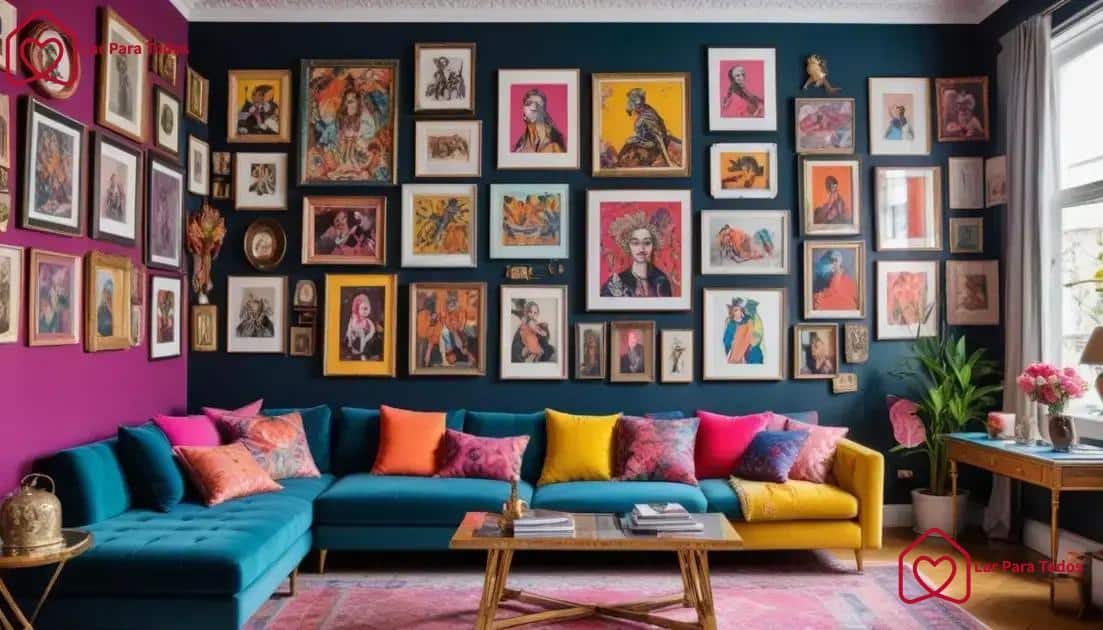
A maximalist gallery wall in one day can be achieved by carefully selecting diverse art pieces, using essential tools for hanging, and regularly refreshing the display for a dynamic and personalized effect.
If you’ve ever thought about creating a maximalist gallery wall in 1 day, you’re in for a treat.
This design trend allows you to express your unique style and personality through art.
Let’s dive into how to bring this eye-catching look to life in your home!
Understanding maximalist design principles
To create a stunning maximalist gallery wall, it’s essential to understand the core principles of maximalist design.
This style embraces boldness and creativity, allowing for personal expression through art.
It’s not just about overcrowding your wall; it’s about telling a story through your artwork.
Key characteristics of maximalism
Maximalist design is defined by a few key characteristics.
First, it encourages a mix of patterns, colors, and textures.
This means you can combine different styles of art and frames to create visual interest.
Second, layering plays a critical role, overlapping artworks can enhance the overall depth of your gallery wall.
Emphasizing personal expression
Your gallery wall should reflect your personality.
Think about the elements that resonate with you.
Whether it’s vintage prints, modern art, or family photos, each piece contributes to the overall aesthetic.
Consider using a mix of framed and unframed art to add variety.
- Choose a color palette that suits your taste.
- Incorporate various sizes and shapes of frames.
- Include objects like mirrors or wall decor to enhance dimension.
As you design your wall, remember to ensure a balance between chaotic and harmonious.
While maximalism embraces abundance, too much clutter can make the space feel overwhelming.
Strive for a cohesive look while allowing your individual style to shine.
Finally, it’s important to keep an open mind. Allow your gallery wall to evolve over time.
New pieces can either replace old ones or be added to enhance the existing collection, creating a dynamic display of your ever-changing tastes.
Choosing the right art pieces for your gallery wall
When it comes to choosing the right art pieces for your gallery wall, the spectrum of choices can be overwhelming.
However, selecting the perfect combination can transform your space into a stunning visual narrative.
Start by considering the theme you want to convey.
It could be a reflection of your travels, personal interests, or even a color scheme that resonates with your style.
Selecting a color palette
Choosing a consistent color palette is crucial in ensuring that your gallery wall feels cohesive.
Select artworks that share tones or complementary colors.
This can help tie different pieces together, creating a harmonious look.
Remember, not every piece needs to match perfectly; some contrast can add excitement.
Next, think about the size of your art. Mixing various sizes adds visual intrigue, but balance is key.
A large statement piece can anchor your wall, while smaller pieces should be arranged thoughtfully around it.
Don’t forget to consider the wall space available; oversized art can overwhelm small areas.
- Use larger pieces as focal points.
- Group smaller artworks together for a gallery effect.
- Consider the scale of furniture and decor nearby.
Another important aspect is the type of art you choose.
Original artwork, prints, and even personal photos can all have a place on your wall.
Think about incorporating a mix to create depth and interest.
Don’t shy away from adding three-dimensional elements, like wall sculptures or decorative objects.
Your artistic choices should reflect your personality.
Consider pieces that evoke feelings or memories.
Personal connection to your art can bring life to your space, making it not just a gallery, but a representation of who you are.
Essential tools for creating a gallery wall
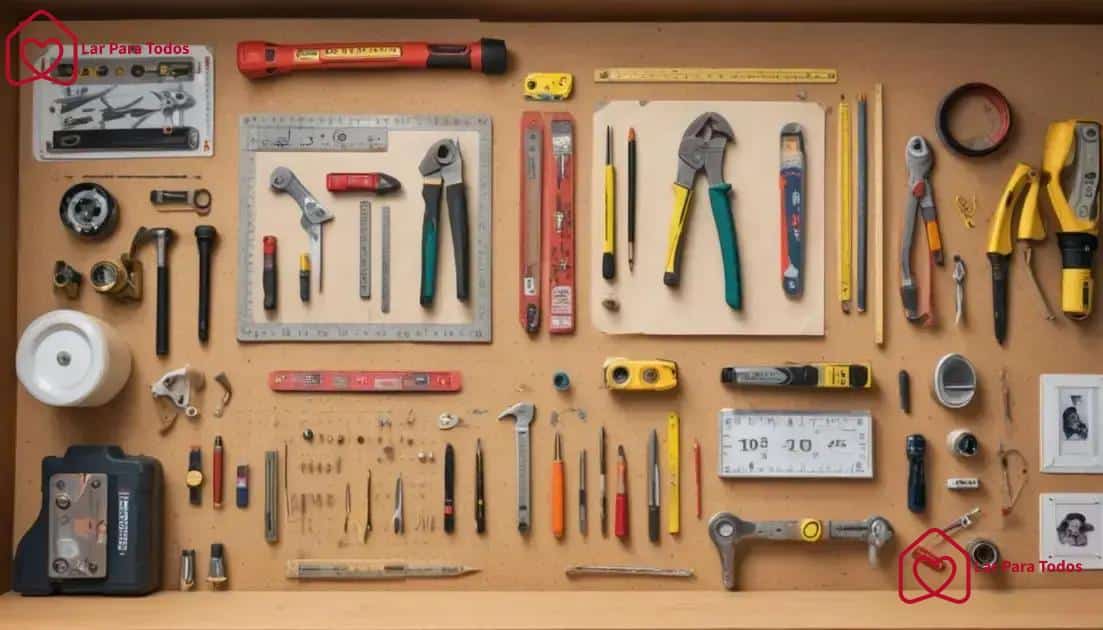
Creating a stunning gallery wall involves more than just picking art; it requires the right tools to make the process smooth and enjoyable.
Having the essential tools on hand can save you from frustration and help you achieve professional-looking results.
Basic tools you need
To get started, you will need some basic tools.
A good level is crucial for aligning your frames perfectly.
This little tool ensures your art is straight and well-placed.
Use a measuring tape to determine the spacing between your pieces, allowing for a balanced arrangement that feels intentional.
Hanging tools
Next, let’s talk about hanging tools. Depending on your wall type, the hanging hardware may vary.
For drywall, picture hangers or command strips are excellent options.
Choose command strips if you want to avoid leaving holes and prefer an easy removal process.
Don’t forget a hammer! It comes in handy for driving nails into the wall.
- Gallery wall kit for various hanging options.
- Command strips for damage-free hanging.
- Poster putty for temporary displays.
Another useful tool is a canvas pliers, which can help if you’re working with stretched canvas pieces.
If your wall is uneven, consider using flexible hanging hardware designed for various types of art.
This versatility will make your gallery wall look polished.
Finally, you might want to invest in a good quality frame.
Select frames that complement your artwork and match your overall aesthetic.
A mix of frame styles can add depth but ensure they share a unifying element, such as color or material, to keep the look cohesive.
Think about your overall vision as you gather these essential tools.
Step-by-step guide to arranging your artwork
Arranging your artwork can be exciting yet challenging.
This step-by-step guide to arranging your artwork will simplify the process.
Start by laying all of your chosen pieces on the floor.
This allows you to visualize the arrangement without committing to anything on the wall just yet.
Establish a focal point
Choose a focal point for your gallery wall.
This could be a large piece of art or a statement piece that draws attention.
Position it at eye level, typically around 57 to 60 inches from the ground.
This height makes it comfortable for viewing and sets the tone for the rest of your arrangement.
Plan your layout
Begin planning your layout by grouping pieces that complement each other.
Consider a balanced arrangement by alternating between shapes and sizes.
Use larger pieces to anchor the corners, while smaller ones can fill in gaps.
- Mix vertical and horizontal art for variety.
- Include frames of different styles to create depth.
- Incorporate negative space to prevent overcrowding.
After you have a general idea, use painter’s tape to outline the positions on the wall.
This technique helps you visualize how everything will look and allows adjustments before hanging your art.
It’s a great way to test different placements.
Once you’re satisfied with the layout, start hanging your pieces.
Begin with the focal point and work your way out.
Remember to double-check with the level to ensure everything is straight.
As you hang each piece, step back occasionally to assess the overall look.
It’s normal to adjust and reposition as necessary.
Lastly, don’t be afraid to add personal touches.
Include decorative items like small shelves, frames, or mirrors to enhance the display further.
This mix will make your gallery wall feel more personal and unique to you.
Tips for incorporating mixed media
Incorporating mixed media into your gallery wall can take your decor to the next level.
It’s a creative way to combine different materials and textures, making your display pop with visual interest.
Start by gathering various art forms like paintings, photography, and even 3D objects such as sculptures or handmade crafts.
Choose a unifying theme
When working with mixed media, it’s crucial to establish a unifying theme.
This could be based on colors, styles, or even a specific narrative that the pieces tell together.
For example, an ocean theme might incorporate blues from paintings, photography of beach scenes, and textures from shells or driftwood.
Variety in textures
Don’t shy away from mixing different textures.
Combining soft fabrics, rough wood, and shiny metal can create a dynamic visual experience.
Consider incorporating items like pressed flowers in glass frames, fabric wall hangings, or even textured prints.
The contrast in materials can catch the eye and draw viewers in.
- Use shadow boxes to showcase small three-dimensional items.
- Add textiles, like a woven wall piece, for depth.
- Incorporate mirrors to reflect light and create an illusion of space.
As important as choosing the right pieces is the arrangement.
Place heavier or larger items lower on the wall to create a solid base.
Lighter and smaller objects can be elevated above for balance.
Be mindful of how the different pieces interact with each other, ensuring they complement rather than compete.
Playing with dimensions is also key. Mix large canvas art with smaller pieces and objects to create interest.
This layering effect will give your gallery wall depth, making it more appealing to the eye.
Maintaining and refreshing your gallery wall
Maintaining and refreshing your gallery wall is vital for keeping your space dynamic and interesting.
Art can fade and styles change. Regular updates ensure your collection remains vibrant and reflects your current taste.
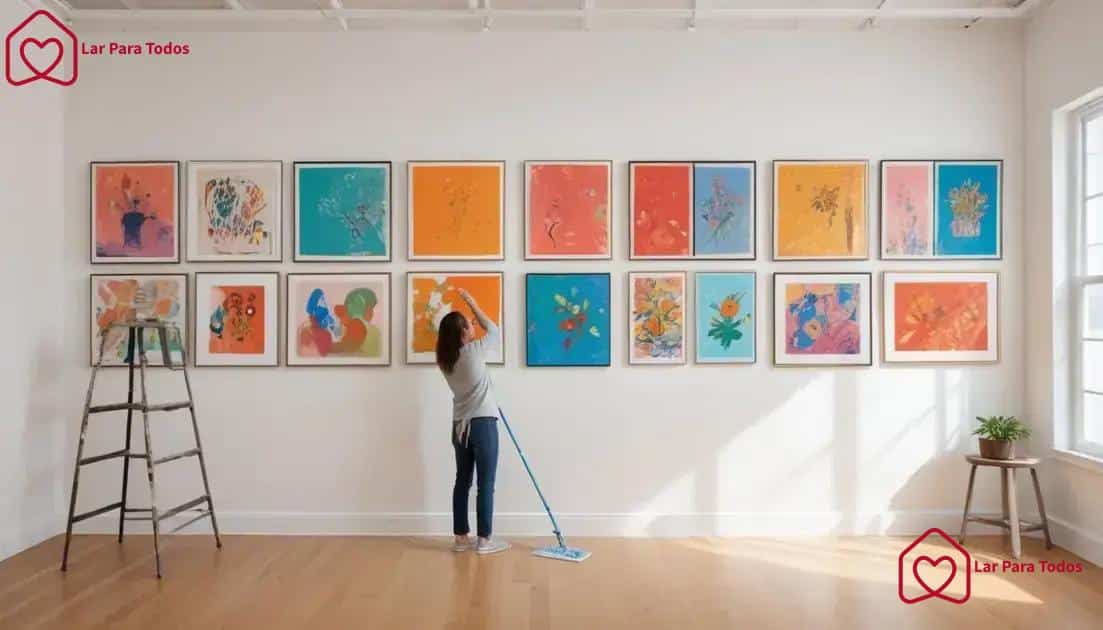
Regular cleaning and care
Caring for your gallery wall starts with regular cleaning.
Dust and dirt can accumulate over time, dulling the beauty of your art.
Gently wipe down framed pieces with a soft, dry cloth.
For glass surfaces, use a glass cleaner to avoid streaks.
Be careful with delicate items to ensure they don’t get damaged during cleaning.
Seasonal refreshes
Consider refreshing your gallery wall seasonally.
Rotating your artwork not only keeps things fresh but also allows you to highlight different pieces.
For example, you might include bright, cheerful artworks in the spring and warmer, cozy pieces in the fall.
This practice can make your space feel new without the need for significant changes.
- Change artwork to reflect new seasons or holidays.
- Incorporate new art pieces from local artists.
- Use family photos to personalize your space further.
If you find certain pieces no longer resonate with you, don’t hesitate to remove them.
You can store them safely for future use or gift them to someone who will appreciate them.
Try to keep a few blank spaces on your gallery wall to allow flexibility for new additions.
This approach keeps your wall from feeling overcrowded and allows room for change.
As your tastes evolve, your gallery wall should evolve as well.
Incorporate newly acquired art or even DIY projects that capture precious memories.
Mixing old with new can create a nostalgic yet fresh look that truly represents your journey and personal growth.
FAQ – Frequently Asked Questions about creating a gallery wall
What are the essential tools needed to create a gallery wall?
Basic tools include a level, measuring tape, hanging hardware, and a hammer to ensure your artwork is properly aligned and securely mounted.
How can I maintain and refresh my gallery wall?
Regularly clean your art, rotate pieces seasonally, and incorporate new items to keep the display lively and aligned with your current style.
What is mixed media, and how can I incorporate it?
Mixed media refers to combining different artistic materials such as paintings, photographs, and three-dimensional objects to create a visually engaging display.
What should I consider when arranging my artwork?
Focus on establishing a focal point, balancing different sizes and shapes, and using a consistent color palette for a cohesive look.