Natural texture interiors 2026: elevate your home style
Advertisements
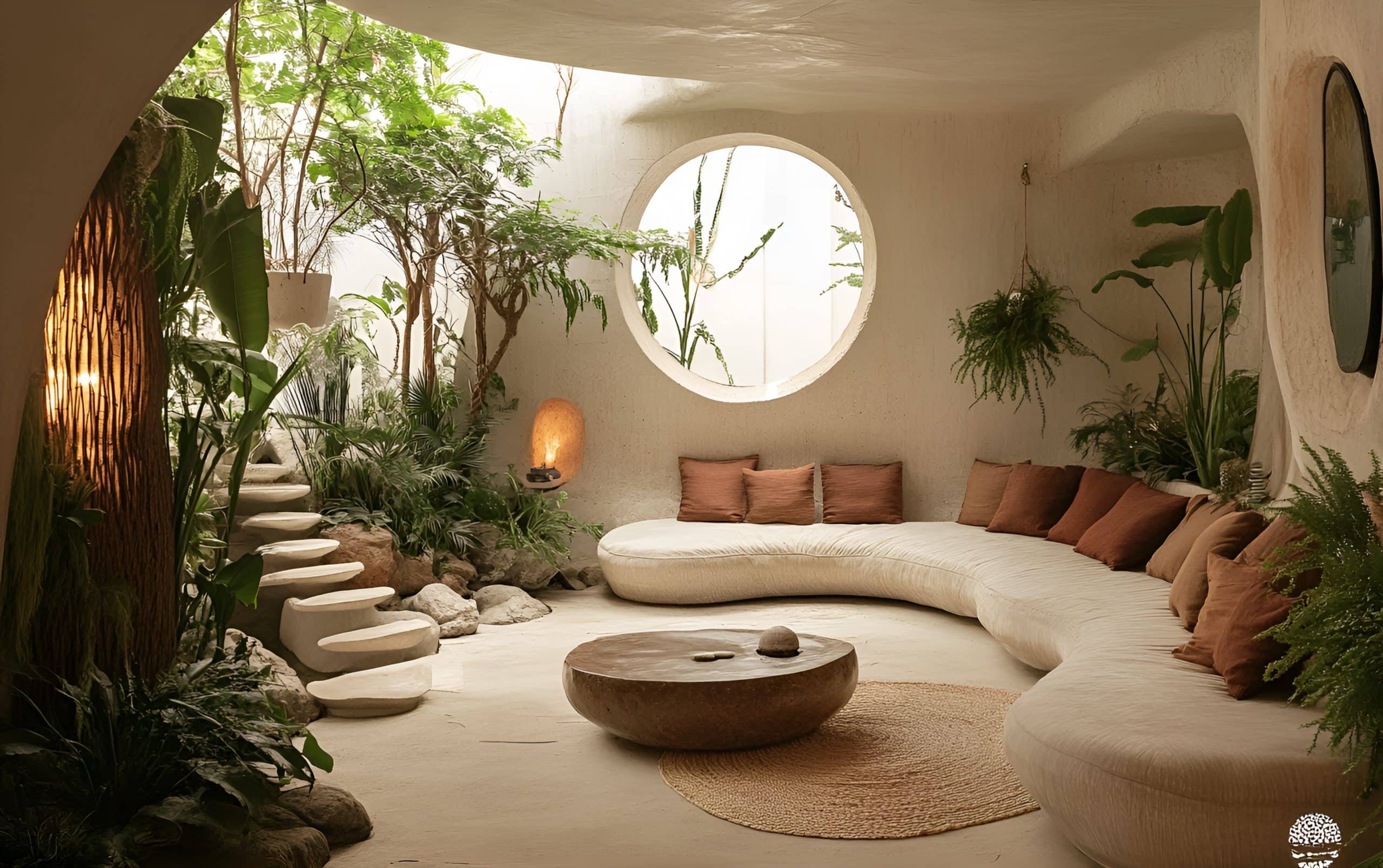
Exploring natural texture interiors 2026 reveals creative ways to bring warmth, character, and organic beauty into modern homes. Materials like wood, stone, and linen create inviting spaces.
Natural finishes work beautifully with contemporary, rustic, and minimalist interiors. Their different colors and surfaces add visual interest without requiring complicated decorating techniques.
Understanding natural texture interiors 2026 can help you make thoughtful design decisions. Discover popular materials, practical styling ideas, sustainability considerations, and simple ways to transform your home.
Advertisements
Understanding Natural Texture Interiors
The natural texture interiors 2026 approach emphasizes materials inspired by the natural environment. Wood, stone, woven fibers, and organic finishes introduce character into everyday living spaces.
These materials create visual depth through differences in color, surface, and texture. Combining smooth finishes with rougher elements can establish a balanced and welcoming atmosphere.
Natural textures also complement a wide range of decorating styles. Choosing suitable materials helps homeowners create interiors that reflect personal preferences and practical needs.
What Are Natural Texture Interiors?
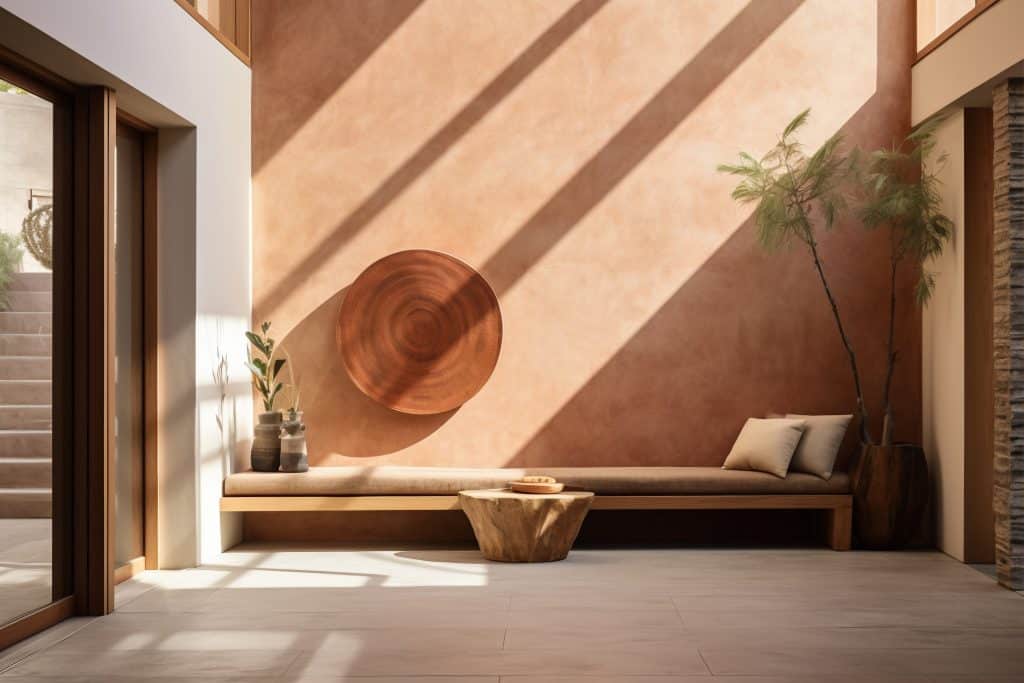
Natural texture interiors use materials that originate from nature or reproduce organic visual characteristics. Wood grain, stone patterns, and woven fabrics are common examples.
These elements introduce subtle variations that make rooms feel distinctive. Their irregular surfaces and natural colors can soften the appearance of contemporary furniture.
The natural texture interiors 2026 concept focuses on thoughtful material combinations. Its purpose is to create inviting spaces through texture, proportion, and visual harmony.
Key Elements of Natural Textures
Several materials contribute to the appearance of natural interiors. Wood introduces warmth, while stone creates contrast through its solid structure and distinctive patterns.
Textiles such as linen, cotton, and wool provide softness. Their different weaves add comfortable layers to furniture, cushions, curtains, and decorative accessories.
Combining these elements helps establish a cohesive design. The natural texture interiors 2026 style encourages balancing materials rather than allowing one finish to dominate every surface.
- Wood: Adds warmth and natural character to furniture, flooring, and decorative details.
- Stone: Creates visual depth through distinctive surfaces and organic patterns.
- Textiles: Linen, cotton, and wool introduce softness and tactile comfort.
Benefits of Using Natural Textures
Natural textures bring variety and visual interest into interior spaces. Their irregular details can create a welcoming atmosphere without relying on excessive decoration.
Durable materials may also offer long-term practical value when properly maintained. However, environmental and indoor air quality benefits depend on sourcing, treatments, finishes, and manufacturing processes.
Exploring natural texture interiors 2026 helps homeowners combine attractive materials with functional considerations. Thoughtful choices support comfortable spaces and potentially longer-lasting interior designs.
Top Trends in Natural Materials
The natural texture interiors 2026 trend highlights renewed interest in bamboo, cork, reclaimed wood, and other materials with distinctive organic characteristics.
Designers can incorporate these surfaces into furniture, wall coverings, flooring, and decorative accents. Each material introduces different visual qualities and maintenance requirements.
Environmental considerations also influence material selection. Responsible sourcing, durability, and product certifications can help homeowners evaluate sustainability claims more carefully.
Trendy Natural Materials to Consider
Bamboo, cork, and reclaimed wood provide different ways to incorporate natural textures into homes. Their distinctive appearances complement both modern and traditional interiors.
Bamboo products can feature smooth surfaces and warm colors, while cork introduces a softer visual texture. Reclaimed wood adds character through existing grain patterns and imperfections.
The natural texture interiors 2026 approach encourages selecting materials based on appearance and intended use. Product quality and proper installation remain essential considerations.
- Bamboo: A rapidly growing plant used in selected flooring, furniture, and decorative products.
- Cork: A flexible natural material suitable for certain flooring and wall applications.
- Reclaimed Wood: Reused timber that introduces distinctive character and can reduce demand for newly harvested material.
Sustainable Design Practices
Sustainable interior design considers how materials are sourced, manufactured, transported, and maintained. Choosing durable products may help reduce the need for frequent replacements.
Locally sourced materials can sometimes reduce transportation impacts, although their overall environmental performance depends on additional factors. Reused and responsibly manufactured products deserve consideration.
Within natural texture interiors 2026, sustainability should be supported by reliable information. Look for relevant certifications, transparent sourcing practices, and long product lifespans.
How to Incorporate Textures in Design
Creating attractive interiors with natural textures begins with understanding balance. Different materials can complement one another when their colors and surfaces are carefully coordinated.
The natural texture interiors 2026 style often combines smooth furniture with textured accessories. This contrast introduces visual depth without overwhelming the room.
Start with a few complementary materials before adding more decorative elements. Consistent colors and thoughtful proportions can help create a cohesive appearance.
Mixing Textures
Mixing soft and structured surfaces creates contrast within interior spaces. For example, a linen sofa can complement a wooden table and ceramic accessories.
Layering different materials adds dimension while maintaining an organized appearance. Cushions, rugs, throws, and decorative objects provide convenient opportunities to experiment.
The natural texture interiors 2026 trend favors combinations that feel intentional. Repeating selected colors or materials throughout a room can create stronger visual connections.
- Soft Textiles: Add cushions, curtains, and throws for comfortable layers.
- Natural Materials: Combine wood, stone, and woven fibers for organic character.
- Metal Accents: Introduce controlled contrast through lighting and furniture details.
Focal Points Through Texture
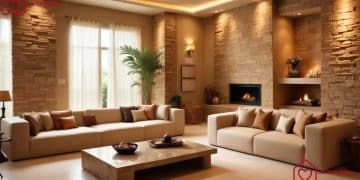
A textured focal point can give a room a distinctive identity. Consider a natural stone feature wall, wooden paneling, or a decorative woven installation.
Surrounding the focal point with simpler furnishings helps maintain balance. Neutral colors and smooth surfaces allow the featured material to stand out naturally.
When applying natural texture interiors 2026, choose one dominant feature before introducing smaller accents. This approach creates interest without excessive visual competition.
Benefits of Natural Texture in Home Decor
Natural textures can improve the visual character of living spaces through distinctive surfaces and organic colors. These qualities help create inviting interiors.
The natural texture interiors 2026 approach also encourages selecting materials that complement everyday living. Appropriate furniture and finishes can balance appearance with functionality.
However, natural materials do not automatically provide environmental or health benefits. Their performance depends on product composition, coatings, installation, and ongoing maintenance.
1. Enhanced Aesthetic Appeal
Wood grain, woven fibers, and stone patterns introduce variations that add visual character. These details can make otherwise simple interiors appear more layered.
Natural materials also pair effectively with neutral color schemes. Earth tones, warm whites, and muted greens complement their organic characteristics.
The natural texture interiors 2026 style uses these combinations to create balanced surroundings. Thoughtful lighting further highlights the appearance of different textures.
2. Indoor Air Quality Considerations
Material selection can influence indoor air quality through emissions from adhesives, coatings, and surface treatments. Natural origins alone do not guarantee lower emissions.
Homeowners should consider low-emission finishes, appropriate ventilation, and reliable product information. Some untreated materials may still require maintenance to prevent moisture-related problems.
Within natural texture interiors 2026, responsible choices involve evaluating each product individually. Environmental certifications and manufacturer specifications provide useful guidance.
- Wood: Consider low-emission finishes and responsibly sourced products.
- Textiles: Select fabrics suited to cleaning, comfort, and household needs.
- Stone: Evaluate appropriate sealing, maintenance, and installation requirements.
3. Durability and Longevity
Well-selected natural materials can offer lasting performance in residential interiors. Durability depends on material quality, installation, usage, and maintenance.
Solid wood furniture may be repairable or refinished, while certain stone surfaces resist everyday wear. Different materials require appropriate protection and cleaning methods.
Investing in durable elements supports the natural texture interiors 2026 philosophy. Choosing timeless designs can also reduce the desire for frequent decorative replacements.
Challenges and Solutions in Texture Selection
Working with natural textures requires careful attention to proportion, color, and material compatibility. Combining too many competing surfaces can make a room feel visually crowded.
The natural texture interiors 2026 approach emphasizes harmony between decorative elements. Selecting a limited material palette helps maintain a consistent design direction.
Maintenance requirements and room conditions should also influence decisions. Consider humidity, sunlight exposure, and daily usage before selecting finishes or fabrics.
Common Challenges in Texture Selection
One common challenge involves combining materials with different visual characteristics. Excessive contrast may distract from the room’s intended style.
Scale also matters when using textured surfaces. Large stone patterns or heavy woven fabrics can dominate small spaces if introduced without balance.
The natural texture interiors 2026 trend works best when practical needs guide material selection. Cleaning requirements and surface durability deserve consideration alongside appearance.
- Competing Textures: Too many contrasting finishes can create visual clutter.
- Scale and Proportion: Large patterns may overwhelm smaller spaces.
- Maintenance and Durability: Materials have different cleaning and care requirements.
Effective Solutions for Texture Challenges
Begin with a clear color palette and gather samples of materials you intend to combine. Observing them together helps identify compatible textures.
Test samples under natural and artificial lighting whenever possible. Different light conditions can change how colors, patterns, and surface finishes appear.
For natural texture interiors 2026, select one or two dominant materials and introduce smaller complementary details. This strategy supports consistency while leaving room for personal expression.
Future Predictions for Natural Textures in Interiors
Interest in natural textures continues to inspire interior design ideas. Homeowners can explore organic finishes, layered materials, and nature-inspired decorative combinations.
The natural texture interiors 2026 movement may also encourage greater attention to responsible sourcing. Durable products and adaptable designs could remain important purchasing considerations.
Future directions will depend on changing preferences, material innovation, and environmental standards. Natural textures offer flexibility across different interior design styles.
Increased Demand for Eco-Friendly Materials
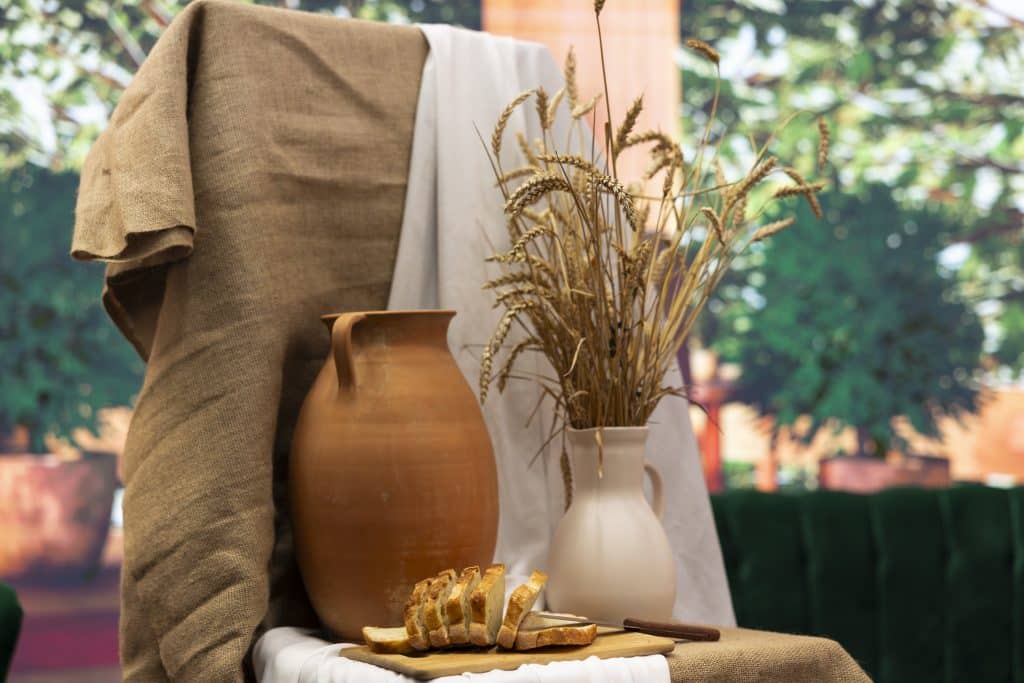
Environmental considerations are becoming part of many interior purchasing decisions. Consumers may compare product longevity, recycled content, and verified sourcing information.
Bamboo, cork, and reclaimed wood provide potential alternatives for selected applications. Their sustainability depends on production methods, transportation, finishes, and intended use.
The natural texture interiors 2026 approach encourages informed product comparisons. Choosing materials based on reliable evidence is more useful than relying on broad environmental claims.
- Bamboo: Offers distinctive visual characteristics for furniture and selected interior finishes.
- Cork: Provides a flexible material option for suitable floors and decorative surfaces.
- Reclaimed Materials: Give existing resources a second use while adding character.
Trends Towards Biophilic Design
Biophilic design explores ways to strengthen visual and sensory connections with nature. Natural light, plants, organic shapes, and textured materials are common features.
These elements can help create relaxing visual environments, although individual responses vary. Thoughtful arrangements should consider lighting, ventilation, and everyday functionality.
The natural texture interiors 2026 trend complements biophilic ideas through material selection. Wood, stone, natural fabrics, and greenery can work together in cohesive spaces.
FAQ – Frequently Asked Questions About Natural Textures in Interiors
What are natural textures?
Natural textures include the visual and tactile characteristics of materials such as wood, stone, cork, and organic textiles. They introduce distinctive surfaces, colors, and patterns into interior spaces.
Why should I consider natural textures in my home?
Natural textures can add warmth, visual depth, and character to your home. Their practical and environmental benefits depend on the particular materials, finishes, installation methods, and maintenance requirements.
How do I mix different textures effectively?
Choose a consistent color palette and establish one dominant material. Then introduce complementary fabrics, furniture finishes, and decorative accents to build contrast without overwhelming the room.
What are the future trends in natural textures for interiors?
Potential directions include increased interest in responsibly sourced materials, reclaimed products, biophilic design, and personalized combinations of organic finishes. Specific trends will depend on evolving consumer and design preferences.
Conclusion: Embracing Natural Texture Interiors in 2026
The natural texture interiors 2026 approach offers creative opportunities to combine organic beauty with modern functionality. Wood, stone, and textured fabrics can establish distinctive living environments.
Successful interiors rely on thoughtful material combinations, appropriate maintenance, and balanced decorative choices. Considering durability and sourcing helps homeowners make more informed decisions.
Whether updating a single room or planning a larger renovation, natural textures provide versatile design possibilities. Begin with complementary materials and build a space that reflects your style.
Author