Natural wood decor South Africa 2026: trends to watch
Advertisements
Natural wood decor South Africa combines warm textures, practical furniture and locally relevant design choices while making responsible sourcing increasingly important.
Natural wood can work across contemporary, rustic and minimalist interiors, but species, finish, durability and legal origin should all influence the final choice.
This 2026 guide explores suitable materials, colour combinations, sustainable sourcing and approachable DIY ideas for creating warmer South African interiors.
Advertisements
Why Natural Wood Works in South African Interiors
Natural wood introduces visible grain, tonal variation and tactile texture that can soften rooms dominated by painted walls, metal, glass or stone.
It can function as a major architectural material or appear through smaller furniture and decorative pieces without dominating the entire interior.
The versatility of Natural wood also allows homeowners to adapt it to coastal, contemporary, farmhouse, industrial and more traditional South African spaces.
Natural Character Without Perfect Uniformity
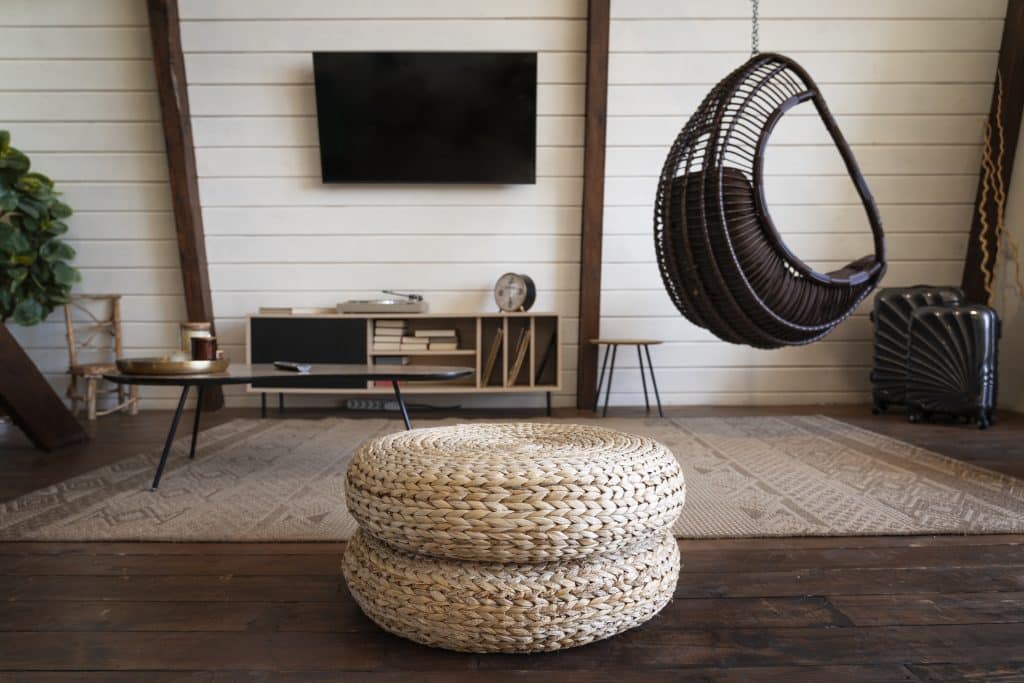
Wood naturally varies in grain, colour and markings, meaning two boards from the same species may never look completely identical.
Those differences can make furniture and decorative pieces feel less manufactured while adding visual depth to otherwise simple interiors.
For homeowners who prefer consistency, selecting boards from similar batches and applying the same finish can create a more controlled appearance.
- Natural grain adds visual texture.
- Different finishes can alter the final colour substantially.
- Wood combines easily with stone, metal, glass and textiles.
- Solid pieces can often be repaired or refinished over time.
Natural wood Can Suit Different Design Styles
Light finishes can support airy contemporary spaces, while darker woods often create stronger contrast and a more traditional visual character.
Rougher reclaimed surfaces work well in rustic interiors, whereas smooth veneers and precisely finished furniture suit more minimalist rooms.
The best result usually comes from choosing wood according to the room’s existing materials rather than following one universal decorating trend.
Choosing Natural wood Responsibly in South Africa
Responsible sourcing matters because not every timber sold for furniture or decoration has the same environmental or legal background.
South Africa protects several indigenous tree species, meaning their timber cannot simply be harvested, transported or traded without applicable authorisation.
Consumers should therefore ask suppliers where timber originated and favour documented, certified, reclaimed or legally sourced material when possible.
Yellowwood Requires Special Consideration
Real yellowwood is South Africa’s national tree and belongs to a group with a long cultural and ecological history in the country.
Yellowwood species appear among South Africa’s protected trees, so newly harvested material cannot be treated like unrestricted commercial timber.
Antique, reclaimed or legally documented yellowwood may appear in furniture, but buyers should verify provenance before purchasing newly made pieces.
Stinkwood Is Also Protected
True stinkwood, or Ocotea bullata, is another indigenous South African tree historically valued for dark, attractive furniture timber.
It appears on the country’s protected-tree list, making legal origin especially important when furniture or decorative products are marketed as stinkwood.
Instead of seeking newly harvested indigenous timber, buyers can consider documented antiques, reclaimed material or alternative commercial species with similar tones.
Kiaat Should Be Bought With Provenance
Kiaat, botanically known as Pterocarpus angolensis, is valued for attractive colour variation and is used in furniture across southern Africa.
It also appears on South Africa’s protected-tree list, so buyers should avoid assuming that every kiaat product has been harvested legally.
A reputable supplier should be able to explain the timber’s origin and provide appropriate documentation when regulations require it.
Commercial Alternatives for Everyday Natural wood Decor
Homeowners do not need rare indigenous hardwoods to create attractive natural wood decor South Africa schemes in everyday rooms.
Commercially available plantation timber, imported certified hardwoods, reclaimed boards and engineered wood products can provide practical alternatives.
The right option depends on budget, intended use, moisture exposure, desired appearance and how much maintenance the homeowner accepts.
Pine for Accessible Furniture and DIY Projects
Pine is widely used for shelving, tables, frames and other household projects because it is relatively easy to cut, sand and finish.
Its lighter natural colour accepts stains and paints well, allowing one material to fit several different interior colour schemes.
For high-wear furniture, construction quality and surface protection matter because softer timber can dent more easily than dense hardwoods.
Meranti Requires Source Verification
Meranti describes several tropical hardwood species commonly traded internationally and often used for joinery, furniture, doors and other applications.
Its warm reddish-brown appearance can work attractively indoors, but environmental performance depends heavily on where and how the timber was harvested.
Certification or credible chain-of-custody information is therefore more meaningful than assuming meranti is automatically a sustainable choice.
Designing With Natural Wood
Successful wood interiors rarely require covering every visible surface with timber because a few deliberate focal pieces can create enough warmth.
A dining table, coffee table, shelving system or cabinet can establish the material direction while leaving room for contrasting surfaces.
Planning scale, finish and surrounding colours prevents the wood from making a room feel visually heavy or overly rustic.
Choose the Right Finish
Oil finishes can emphasise grain and create a natural appearance, while clear coatings may provide stronger resistance against everyday wear and moisture.
Matte finishes usually create a softer contemporary effect, whereas higher sheen levels reflect more light and make surfaces visually more prominent.
The correct finish depends on timber species, location and use, so manufacturer recommendations should be followed before applying any product.
Create Contrast With Other Materials
Wood combines effectively with materials such as black metal, glass, stone, ceramic and woven fibres because each provides a different surface quality.
A timber dining table with simple metal seating can feel contemporary, while linen and natural fibres create a softer and more relaxed composition.
Using contrast deliberately helps wood remain noticeable without requiring several unrelated timber species inside the same room.
- Pair warm wood with matte black metal for sharper contrast.
- Use linen and cotton to soften heavy wooden furniture.
- Combine timber with stone or ceramic for natural variation.
- Repeat one or two wood tones instead of using many unrelated finishes.
Use Textiles to Soften Hard Surfaces
Rugs, cushions, curtains and upholstered furniture can reduce the visual hardness created by large tables, shelving or timber flooring.
Natural fibres such as linen and cotton often work particularly well because their textures complement wood without competing with the grain.
Colour can then be introduced through textiles rather than requiring every wooden element to carry a strong stain or painted finish.
Mixing Different Wood Tones
Different wood tones can coexist successfully when the room maintains some visual connection between undertones, furniture shapes or surrounding materials.
Exact matching is unnecessary and can sometimes make a space feel overly coordinated rather than naturally layered and collected.
The easiest approach is to choose one dominant wood tone and use one or two secondary tones as supporting accents.
Identify Warm and Cool Undertones
Some woods lean golden, orange or reddish, while others appear more neutral, grey or muted depending on species and finish.
Grouping woods with broadly compatible undertones can make mixing easier even when their overall lightness differs significantly.
Contrast can still work intentionally, but repeating the darker or lighter tone elsewhere helps make the difference feel deliberate.
Use Repetition to Create Cohesion
If a dark dining table appears in one area, repeating a similar tone through a picture frame or shelf can connect the room visually.
The repeated element does not need to use the identical species because colour relationship often matters more than exact botanical matching.
This technique is particularly useful in open-plan homes where several furniture groups need to feel related without appearing identical.
Sustainable Wood Sourcing in 2026
Claims such as sustainable, natural or eco-friendly should be examined carefully because they can describe very different forestry and manufacturing practices.
A useful starting point is choosing wood with recognised certification, clear legal provenance or credible information about its previous use.
Responsible purchasing also involves keeping furniture longer, repairing it when practical and avoiding replacement driven only by short-lived trends.
Look for Credible Certification
Forest certification systems such as FSC provide a framework for identifying wood associated with defined forestry and chain-of-custody standards.
A certification mark should be checked on the actual product or supplier documentation instead of assuming an entire retailer’s inventory qualifies.
Certification does not eliminate every environmental consideration, but it provides more useful sourcing information than an unsupported sustainability claim.
- Check whether certification applies to the specific product.
- Ask suppliers about species and country of origin.
- Keep invoices or provenance documents for regulated timber.
- Avoid products whose species or source cannot be explained.
Reclaimed Wood Can Extend Material Life
Reclaimed timber comes from previous buildings, furniture, flooring or other applications and can be repurposed instead of immediately discarded.
Its weathering, nail marks and colour variation can create visual character that would be difficult to reproduce with newly processed boards.
Before indoor use, reclaimed timber should still be checked for structural damage, contamination, insects and finishes containing undesirable substances.
Local Does Not Automatically Mean Sustainable
Buying from local makers can support regional businesses and make it easier to ask questions about the material’s origin and construction.
However, geographical proximity alone does not prove that the timber was legally harvested or managed under sustainable forestry practices.
The strongest purchasing decision combines transparent sourcing, suitable materials, durable construction and a supplier willing to explain provenance.
Colour Palettes That Work With Wood
Wood colour changes substantially between pale pine, honey-toned boards, reddish hardwoods and dark brown finishes, so surrounding colours should respond accordingly.
Neutral walls provide a flexible base, while stronger colour can be introduced through paint, rugs, upholstery and decorative accessories.
The objective is not to follow a rigid colour rule but to create enough contrast for both timber and surrounding surfaces to remain visible.
Light Wood With Soft Colours
Light timber can work with white, cream, pale grey, muted green and softer blues to create a bright and relatively understated interior.
These combinations suit spaces where homeowners want the grain to remain visible without creating a strong dark focal point.
Black or charcoal accents can then provide definition through lights, frames, furniture legs or smaller decorative elements.
Dark Wood With Lighter Surroundings
Dark timber often appears more prominent against pale walls and lighter upholstery, creating a clear focal point within the room.
Warm whites, beige and muted stone colours can prevent rich brown furniture from making a smaller interior feel excessively heavy.
Deeper colours such as navy or forest green can also work when enough light and lighter surfaces remain elsewhere in the composition.
Neutral Palettes Keep Wood Central
White, beige, taupe and grey can provide a restrained backdrop that allows natural grain and texture to become the main visual feature.
Neutral rooms can still feel layered when rough wood, smooth ceramics, woven rugs and soft textiles create different tactile surfaces.
This approach works particularly well when furniture already contains several natural variations that do not need additional competing colours.
DIY Natural Wood Decor Projects
DIY projects provide a practical way to introduce wood gradually while adapting size, finish and function to the specific room.
Beginners should start with straightforward projects and safe tools rather than attempting structural furniture without appropriate experience or equipment.
Using reclaimed offcuts or commercially sourced timber can also reduce material waste when pieces remain structurally suitable for the intended project.
Wooden Wall Art
Small boards or reclaimed offcuts can be arranged into geometric panels, simple relief compositions or framed decorative pieces for interior walls.
Sanding rough edges and testing stains on scrap material helps prevent uneven colour before the final design is assembled.
Wall fixings should match the finished weight so decorative pieces remain securely attached to the specific wall construction.
Build a Simple Coffee Table
A basic coffee table can combine a timber top with simple wood or metal legs, keeping construction manageable for intermediate DIY users.
The surface should be sanded evenly and sealed with a finish suitable for regular contact with drinks, cleaning products and household use.
Stable joints matter more than decorative complexity because a visually attractive table still needs to support everyday loads safely.
- Select straight, structurally sound boards.
- Measure the room before deciding the final size.
- Round or sand sharp exposed edges.
- Use an appropriate protective surface finish.
Create Floating Shelves
Floating shelves can introduce natural wood without adding large furniture and provide practical space for books, plants or decorative objects.
The brackets or hidden support system must match the wall type and anticipated load rather than being chosen only for appearance.
For heavier objects, locating studs or using appropriate masonry anchors may be necessary to create a safe installation.
Make Wooden Planters Carefully
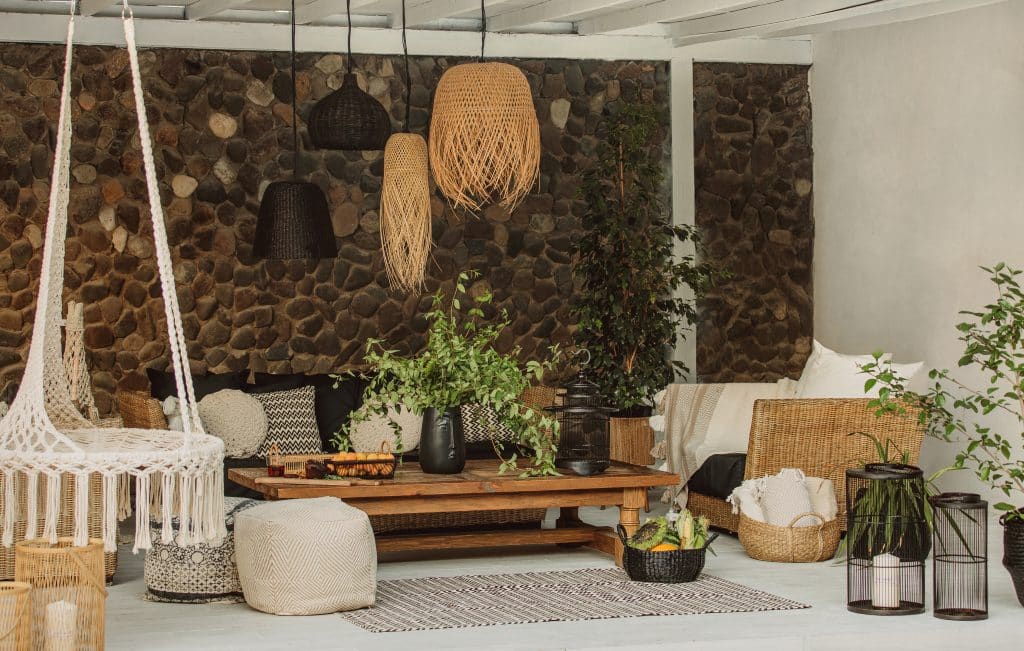
Wooden planter covers can add warmth around indoor plants while providing an opportunity to use smaller pieces of leftover timber.
Because repeated moisture can damage wood, the plant container should prevent water from remaining directly against untreated decorative boards.
Using a removable waterproof inner pot is often more practical than allowing soil and irrigation water to contact the timber permanently.
Maintaining Natural Wood Decor
Regular care helps wooden furniture maintain its appearance while reducing the need for premature refinishing or replacement.
Maintenance requirements vary according to species and finish, so one cleaning method should not automatically be applied to every surface.
Gentle routine cleaning and rapid attention to spills are usually safer than frequent use of aggressive household chemicals.
Protect Wood From Moisture and Heat
Standing water can mark or swell some wooden surfaces, particularly around joints, unsealed edges and veneered panels.
Coasters, placemats and trivets provide simple protection against drinks, hot cookware and other everyday sources of surface damage.
Indoor furniture should also be kept away from persistent leaks or damp areas that can encourage movement, staining or biological deterioration.
Refinish Instead of Replacing When Practical
Many solid-wood pieces can be sanded, repaired, oiled or refinished when their surfaces become scratched or worn through normal use.
This can extend furniture life while preserving pieces whose structure remains sound even after the original finish loses its appearance.
Veneered or laminated products require more caution because aggressive sanding can quickly remove the thin decorative surface layer.
Conclusion
Natural wood decor can add warmth and texture to South African homes when material choice and sourcing receive equal attention.
Certified commercial timber, reclaimed wood and legally documented materials provide safer choices than assuming every attractive indigenous species is freely available.
With balanced colours, thoughtful finishes and durable construction, wood can remain useful and visually relevant long beyond a single decorating trend.
FAQ – Frequently Asked Questions About Natural Wood Decor
Which South African woods require extra sourcing caution?
Yellowwood, stinkwood and kiaat are among timber names associated with protected South African tree species, so buyers should verify legal provenance.
Is reclaimed wood always sustainable?
Reusing existing timber can extend material life and reduce waste, but reclaimed boards should still be checked for contamination, damage and suitability.
What is an easy wood for beginner DIY projects?
Commercial pine is often accessible and relatively easy to cut, sand and finish, making it practical for straightforward indoor projects.
Can different wood colours be mixed in one room?
Yes. Using one dominant tone and repeating one or two secondary tones usually creates a more cohesive result than trying to match everything.
How can I check whether wood was responsibly sourced?
Ask for the timber species, origin, certification or provenance documentation and avoid relying solely on vague environmental marketing claims.
Is locally made wooden furniture automatically sustainable?
No. Local production can support regional businesses, but sustainability still depends on legal timber origin, forestry practices, durability and production methods.
Author