Organic shapes interior design 2026: the future of your home
Advertisements
Organic shapes interior design 2026 brings soft curves, natural textures, and flowing furniture into modern homes. Discover how rounded sofas, sculptural tables, organic mirrors, and nature-inspired materials can create inviting, functional spaces.
Organic shapes interior design 2026 is bringing a softer approach to modern homes through curved furniture, natural materials, and flowing decorative details. These elements help create inviting spaces without relying on rigid layouts.
From rounded sofas to irregular mirrors and sculptural coffee tables, organic forms introduce movement and personality into everyday interiors. Their versatility makes them suitable for minimalist, contemporary, Scandinavian, and eclectic decorating styles.
Advertisements
Understanding how to combine these shapes with colors, materials, and furniture arrangements can make decorating easier. This guide explores practical ideas for creating balanced interiors inspired by the natural world.
What Are Organic Shapes in Interior Design?
Organic shapes are forms inspired by patterns and structures found in nature, including curved landscapes, flowing water, leaves, and smooth stones. They often feature irregular outlines instead of strict geometric symmetry.
In interior design, these shapes appear in furniture, lighting, artwork, architectural details, and decorative objects. They can introduce softness and visual movement into rooms dominated by straight lines and rectangular surfaces.
Although organic forms are associated with natural environments, they work equally well in modern interiors. Combining rounded silhouettes with clean architectural elements creates an interesting contrast without overwhelming the room.
Characteristics of Organic Shapes
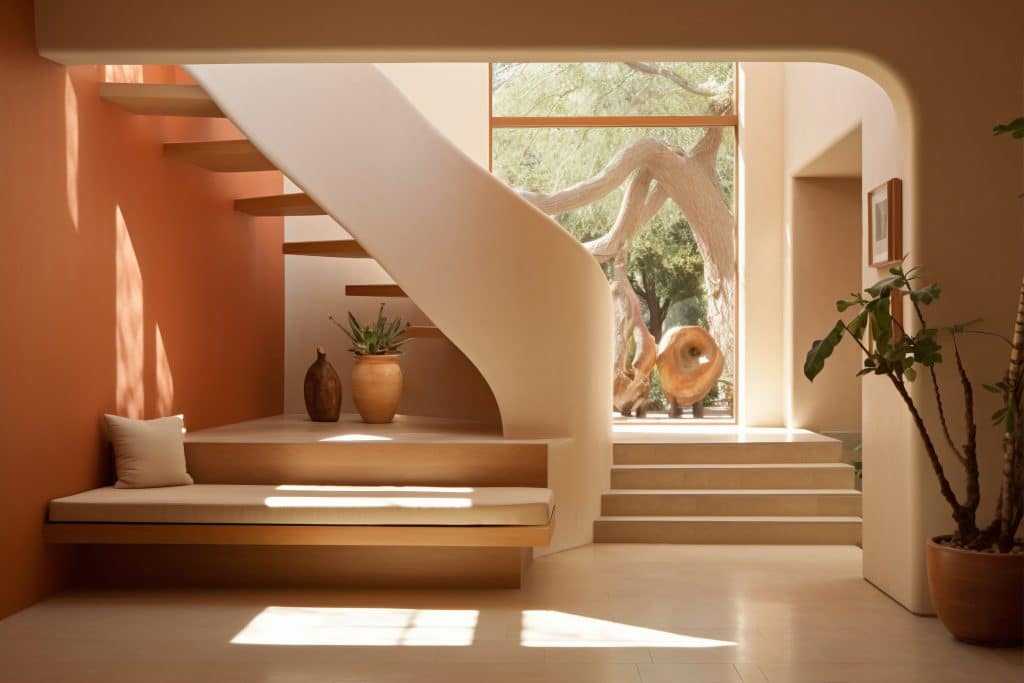
Organic shapes commonly feature curved edges, asymmetrical outlines, and flowing silhouettes that resemble natural formations. These characteristics create visual interest without requiring elaborate patterns or excessive decorative elements.
Furniture with rounded corners, irregular tabletops, and sculptural lighting can soften a room’s appearance. The effect becomes especially noticeable when these elements contrast with straight walls, cabinets, and floors.
Natural inspiration also influences the textures and finishes used in organic design. Wood grain, textured ceramics, stone surfaces, and woven fabrics help reinforce the connection between shape and material.
Examples of Organic Shapes in Spaces
A living room can incorporate organic forms through a curved sofa, an oval coffee table, or an irregularly shaped area rug. These pieces introduce movement while maintaining a practical seating arrangement.
Bedrooms may feature rounded headboards, asymmetrical mirrors, and bedside tables with softened edges. Such details can add personality without requiring significant changes to the room’s existing furniture.
Even small decorative objects contribute to the overall look when chosen carefully. Ceramic vases, sculptural bowls, and nature-inspired wall art can provide organic accents without dominating the space.
Organic Shapes Versus Geometric Shapes
Geometric shapes typically feature defined measurements, straight edges, and consistent patterns, such as squares, rectangles, and circles. Organic forms are often less symmetrical and follow more irregular outlines.
Neither approach is inherently better because both can support attractive and functional interiors. Geometric furniture creates structure, while organic accents introduce contrast and a less rigid visual rhythm.
Combining the two styles often produces the most balanced results. A rectangular sofa can complement an irregular coffee table, while straight shelving can frame softly curved decorative objects.
Benefits of Organic Shapes in Home Decor
Organic shapes can make interiors feel more welcoming by introducing softer outlines and visually relaxed furniture arrangements. Their appeal comes from balancing architectural structure with elements inspired by nature.
Curved pieces also create interesting focal points, particularly in rooms where most furniture follows traditional rectangular designs. A single sculptural object can transform the appearance of an otherwise simple arrangement.
Beyond aesthetics, carefully selected organic furniture may support practical circulation and comfortable everyday use. However, functionality depends on dimensions, construction, placement, and the specific needs of each household.
Enhanced Visual Appeal
Rounded furniture introduces visual contrast when placed against straight walls, built-in shelving, or rectangular windows. This combination can make a room feel more layered without requiring additional colors or patterns.
Irregular silhouettes also create opportunities for interesting arrangements with lighting and decorative objects. An asymmetric mirror or sculptural side table can become a subtle focal point in a neutral room.
The key is choosing a few distinctive elements rather than filling every corner with curved designs. Visual balance allows organic shapes to stand out while preserving a cohesive decorating style.
Improved Functionality
Rounded tables can provide useful surfaces in living rooms where furniture is arranged around a central seating area. Their shapes may also make certain circulation routes feel less visually crowded.
Curved sofas and chairs can support conversational seating arrangements when positioned appropriately. However, comfort depends on seat depth, cushioning, back support, and furniture proportions rather than shape alone.
Furniture with softened corners may be preferable in some busy household spaces, although rounded edges do not eliminate injury risks. Practical dimensions and adequate walking clearance remain essential considerations.
Creating a Relaxed Atmosphere
Organic furniture can contribute to a visually gentle atmosphere when paired with muted colors and comfortable textures. This combination is commonly associated with bedrooms, reading corners, and relaxed living spaces.
Lighting also affects how these shapes are perceived throughout the day. Soft illumination can emphasize curved surfaces and textured materials without producing harsh visual contrasts.
While many people find nature-inspired interiors calming, individual responses vary. The most effective design reflects the household’s preferences instead of assuming that particular shapes produce guaranteed psychological benefits.
Key Materials for Organic Shapes Design
Materials play an important role in communicating the natural character of organic interior design. Wood, stone, textiles, ceramics, and glass can complement curved silhouettes through distinctive colors and textures.
Combining multiple materials helps create visual depth while preventing a room from appearing overly uniform. A wooden table, textured upholstery, and ceramic accessories can work together without requiring identical finishes.
Material selection should consider durability, cleaning requirements, budget, and how each item will be used. Natural appearance alone does not guarantee sustainability, comfort, or suitability for every household.
Wood
Wood is a versatile choice for organic design because its grain and color variations provide natural character. Curved wooden furniture can introduce warmth while complementing both contemporary and traditional interiors.
Oak, maple, walnut, and teak offer different appearances and performance characteristics depending on construction and finish. Bentwood techniques and carved forms can create distinctive silhouettes for chairs, tables, and decorative pieces.
Consider maintenance requirements and sourcing information before choosing wooden furniture. Responsibly sourced materials and durable construction can support long-term use, but environmental claims should be evaluated carefully.
Textiles
Soft textiles are useful for balancing furniture with hard surfaces and creating a layered interior. Linen, cotton, wool, and textured upholstery can complement rounded silhouettes through their tactile qualities.
Curved cushions, irregular rugs, and flowing curtains provide approachable ways to introduce organic details. These accessories can be replaced or rearranged more easily than major furniture pieces.
Choose fabrics according to comfort, maintenance, and household activity. Homes with children or pets may benefit from durable, easy-to-clean materials rather than delicate decorative textiles.
Stone and Ceramics
Stone introduces visual weight and natural texture into rooms featuring soft furnishings and curved furniture. Travertine, marble, and other stone finishes can create striking surfaces when used appropriately.
Ceramic objects provide a more accessible way to experiment with irregular shapes. Handmade-style vases, textured bowls, and sculptural planters can introduce distinctive forms without requiring major purchases.
Stone and ceramic items vary considerably in durability, porosity, and maintenance requirements. Consider placement and surface protection before selecting pieces for frequently used household areas.
Glass and Metal
Curved glass can introduce organic silhouettes while maintaining visual openness, making it useful for certain tables, lighting fixtures, and decorative objects. Transparent surfaces can also reduce the perceived visual weight of furniture.
Metal provides a different interpretation of organic design through flowing frames, curved supports, and sculptural finishes. Matte and brushed surfaces often pair attractively with wood, stone, and textured fabrics.
Combining glass or metal with natural materials can create a contemporary look without losing warmth. Choose proportions and finishes that complement existing furniture rather than introducing unnecessary visual competition.
Inspiring Examples of Organic Shapes Interiors
Organic design can be incorporated into nearly every room without requiring a complete renovation. Simple adjustments to furniture, lighting, and decorative accessories can introduce natural-looking shapes into existing interiors.
The most effective arrangements balance visual appeal with the room’s practical purpose. Furniture placement, walking space, and daily activities should guide decisions before decorative trends are considered.
From living rooms to bathrooms and bedrooms, different spaces offer opportunities to experiment with organic elements. Each room benefits from a slightly different approach based on its size and function.
Living Rooms With Soft Curves
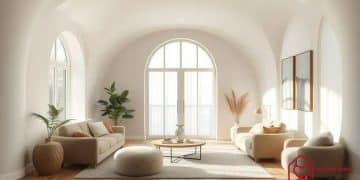
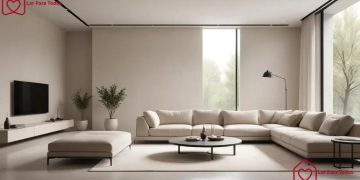
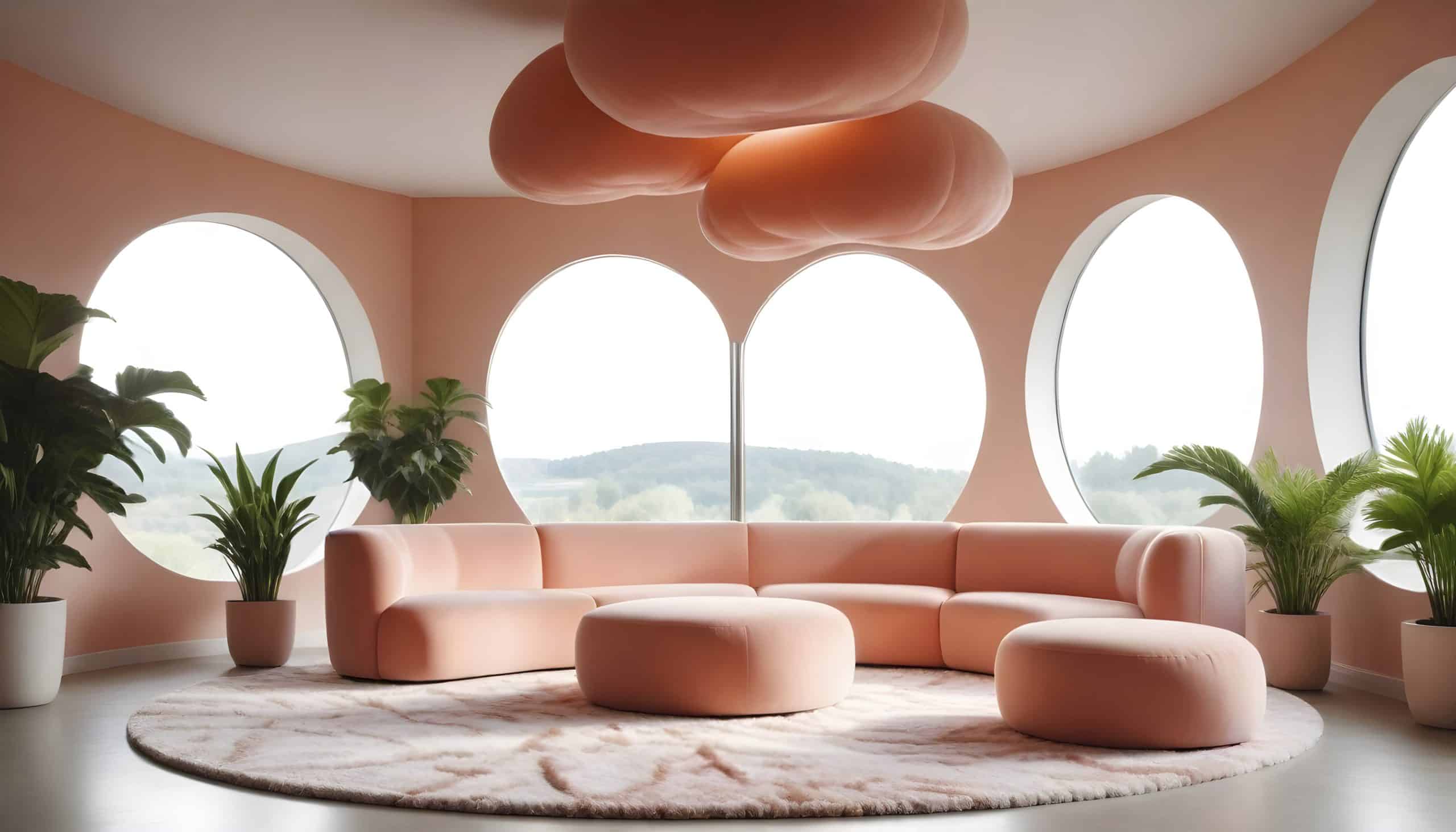
A curved sofa can become the central feature of a living room when paired with a simple area rug and complementary furniture. This arrangement creates visual interest without demanding excessive decoration.
Irregular coffee tables and rounded lounge chairs can reinforce the look while offering useful surfaces and seating. Combining different shapes is often more effective than selecting several nearly identical pieces.
Leave appropriate space between furniture to preserve comfortable movement throughout the room. Practical circulation remains important, especially in smaller living areas where oversized curved furniture may reduce usable space.
Kitchens With Organic Flow
Organic shapes can soften the appearance of kitchens that feature rectangular cabinets, appliances, and countertops. Rounded island corners, curved stools, and sculptural lighting are examples of practical decorative details.
A kitchen island with softened edges can create an appealing visual contrast with straight cabinetry. However, its dimensions and clearances must still support food preparation and movement between work areas.
Smaller kitchens can introduce the trend through rounded pendant lights or organically shaped serving accessories. These details provide visual variety without requiring structural changes or expensive custom furniture.
Bathrooms That Feel More Natural
Bathrooms can incorporate organic shapes through oval mirrors, rounded basins, and softly curved accessories. These elements complement neutral materials and create a cohesive alternative to sharply angular designs.
Freestanding bathtubs with smooth silhouettes may become focal points in spacious bathrooms. However, available floor area, cleaning access, and installation requirements should determine whether such fixtures are practical.
Smaller bathrooms can achieve a similar aesthetic with curved towel hooks, decorative trays, and sculptural lighting. Carefully selected accessories can establish the design direction without major renovation expenses.
Bedrooms With Organic Furniture
Rounded headboards introduce an inviting visual element into bedrooms dominated by rectangular wardrobes and bedside furniture. Upholstered designs can also add texture and softness to the overall arrangement.
Oval mirrors, curved nightstands, and asymmetrical lamps provide additional ways to explore organic styling. These pieces can complement simple bedding and muted color schemes without overwhelming the space.
Keep walking routes and access to storage unobstructed when selecting furniture. A visually appealing bedroom should remain practical for everyday routines, cleaning, and comfortable movement.
How to Incorporate Organic Shapes at Home
Introducing organic shapes does not require replacing every piece of furniture or redesigning the entire home. A few carefully chosen details can establish the look while preserving existing furnishings.
Begin by evaluating the shapes already present in the room and identifying opportunities for contrast. Spaces dominated by rectangular furniture often benefit from one or two irregular decorative elements.
Consider the room’s size, natural lighting, and existing color palette before adding new objects. A cohesive arrangement generally creates a stronger result than introducing several unrelated statement pieces.
Using Shape in Decor
Decorative objects provide a relatively affordable way to experiment with organic design. Asymmetrical mirrors, curved lamps, irregular trays, and sculptural vases can introduce movement into neutral interiors.
Choose accessories that complement existing furniture in scale and color rather than competing with every other element. A distinctive mirror may provide enough visual interest without requiring additional statement pieces.
Grouping objects with varied heights and softened silhouettes can create a balanced display. Leave open space around arrangements so individual shapes remain visible and the room does not feel cluttered.
Natural Materials
Wood, stone, clay, and natural-fiber textiles can reinforce the organic appearance of furniture and decorative accessories. Their textures introduce variation that complements flowing shapes and irregular silhouettes.
For example, a wooden side table may pair with a ceramic vase and a woven rug. These materials create visual depth through differences in surface, weight, and finish.
Natural materials are not automatically environmentally friendly, so sourcing and durability should be considered separately. Long-lasting products that suit your needs may provide better value than frequently replaced decorative items.
Choosing Organic Furniture for Small Spaces
Small rooms can benefit from organic shapes when furniture dimensions are carefully selected. Compact oval tables and rounded stools may provide visual variety without requiring large amounts of floor space.
However, oversized curved sofas or irregular furniture can interfere with circulation when their footprints are poorly matched to the room. Measuring available space helps avoid expensive purchasing mistakes.
Look for pieces that provide useful functions while maintaining appropriate proportions. A compact sculptural side table may be more practical than several decorative objects occupying valuable surfaces.
Creating Balance With Colors and Lighting
Organic interiors often incorporate warm neutrals, earthy colors, and muted natural tones. Beige, cream, soft brown, olive, and terracotta can complement curved furniture and textured materials.
However, organic shapes also work with darker palettes and stronger accent colors when carefully balanced. The most suitable combination depends on lighting, existing finishes, and personal preferences.
Layered lighting can highlight sculptural furniture and create depth throughout a room. Combine practical illumination with decorative fixtures while maintaining sufficient light for everyday activities.
Future Trends in Organic Shapes Interior Design
Interest in organic shapes reflects a broader preference for interiors that combine comfort, individual expression, and nature-inspired aesthetics. Curved silhouettes can offer alternatives to highly structured furniture arrangements.
Design developments may continue exploring sculptural pieces, tactile surfaces, and adaptable layouts. However, trends vary between markets, and not every decorative direction becomes a permanent industry standard.
For homeowners, the most useful approach is selecting elements that remain attractive and functional beyond a single season. Durable furniture and flexible decorating choices can support long-term satisfaction.
Biophilic Design
Biophilic design explores ways of incorporating connections with nature into buildings and interior environments. Natural light, views of greenery, and materials inspired by outdoor settings are common elements.
Organic shapes can complement this approach through curved furniture, flowing architectural details, and objects resembling natural formations. However, biophilic design involves more than simply purchasing furniture with rounded edges.
Consider window placement, existing views, indoor plants, and comfortable access to natural light when planning a room. The goal is a thoughtful relationship between the interior and its surrounding environment.
Flexible Spaces
Flexible interiors support different activities within the same room, including working, relaxing, entertaining, and everyday family routines. Furniture selection plays an important role in making these transitions practical.
Compact rounded tables, movable chairs, and versatile accessories can support adaptable arrangements when their dimensions are suitable. However, curved furniture is not automatically easier to rearrange than geometric alternatives.
Consider storage requirements, walking paths, and the activities a room must accommodate. Adaptability depends on thoughtful planning rather than relying on a particular decorative shape or trend.
Sustainable Materials and Long-Lasting Design
Sustainability is an important consideration when selecting furniture and home accessories, particularly for products intended to remain in use for many years. Durability and responsible sourcing can influence purchasing decisions.
Some designers explore reclaimed wood, recycled materials, and furniture that can be repaired or reupholstered. However, environmental benefits depend on production methods, transportation, and product lifespans.
Choosing quality pieces that fit the room can reduce unnecessary replacement and support a more considered approach to decorating. Avoid assuming that every nature-inspired product carries a verified environmental advantage.
Technology Integration
Technology may influence future furniture designs through improved manufacturing techniques, customizable shapes, and more adaptable household products. Digital fabrication can support complex forms that are difficult to produce through traditional methods.
Some furniture and lighting products also include adjustable features that allow users to personalize comfort or illumination. These capabilities can complement organic aesthetics without defining the entire design style.
However, smart features should be evaluated for reliability, usefulness, and long-term support. Decorative appeal alone does not justify additional complexity when simpler furnishings meet the household’s needs.
Common Mistakes When Decorating With Organic Shapes
Organic interiors are most successful when visual creativity is balanced with everyday functionality. Adding too many sculptural elements can make a room feel crowded rather than naturally coordinated.
Another common mistake is choosing furniture based on appearance without considering dimensions. Curved designs sometimes have unusual footprints that require more space than expected.
Understanding these challenges can help homeowners create interiors that feel intentional and comfortable. A few carefully selected pieces often provide better results than attempting to follow every decorating trend.
Using Too Many Statement Pieces
Curved sofas, irregular mirrors, sculptural lighting, and organic tables can each become attractive focal points. However, placing all of them together may create unnecessary visual competition.
Choose one primary statement piece and support it with simpler accessories or furniture. This approach allows the distinctive shape to remain noticeable without overpowering the room.
Visual balance also depends on leaving some surfaces and walls relatively uncluttered. Negative space helps decorative objects stand out and makes furniture arrangements easier to appreciate.
Ignoring Furniture Proportions
Organic furniture may have irregular outlines that make its actual dimensions less obvious in photographs. A rounded sofa or oversized coffee table can occupy more usable floor space than anticipated.
Measure the room and evaluate furniture dimensions before purchasing major pieces. Consider doorways, circulation paths, nearby storage, and the space needed to use each item comfortably.
Using a simple floor plan can help visualize the arrangement before committing to expensive furniture. Proportion and function should guide decisions alongside visual style.
Overlooking Maintenance and Practical Use
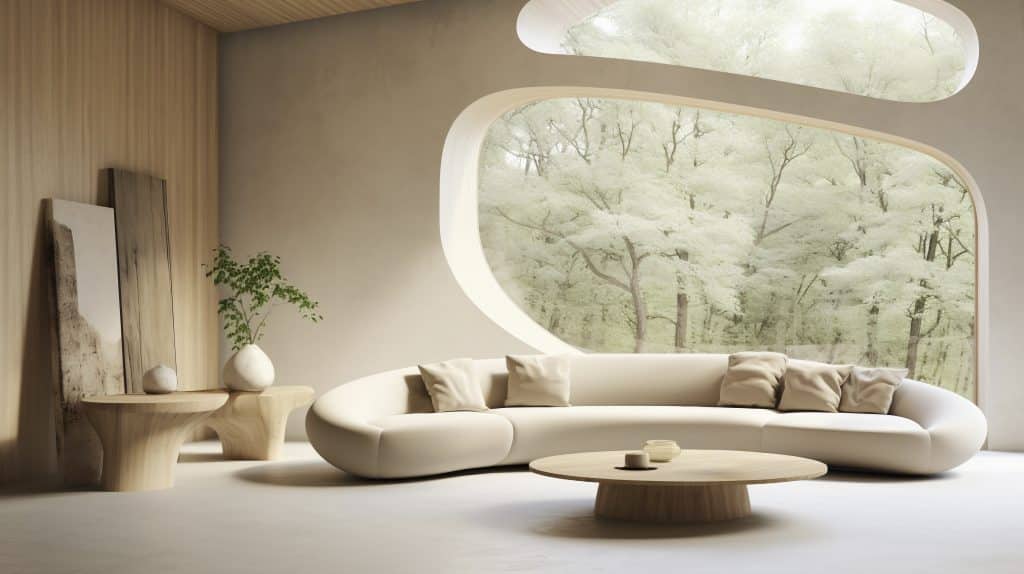
Some sculptural furniture designs include textured finishes, unusual edges, or delicate surfaces that require additional care. Their appearance should be evaluated alongside cleaning and maintenance requirements.
Households with children, pets, or frequent visitors may benefit from durable materials and straightforward construction. Decorative items should not create unnecessary obstacles in heavily used areas.
Choosing practical products helps organic interiors remain enjoyable after the initial decorating process. A successful design should support everyday living rather than exist only for visual presentation.
Organic Shapes Interior Design 2026: Key Takeaways
Organic shapes interior design 2026 offers a versatile approach to decorating through curved furniture, asymmetrical accessories, natural textures, and thoughtfully arranged spaces. These elements can complement many established interior styles.
The most effective results come from combining organic forms with appropriate proportions, durable materials, and practical furniture placement. A balanced design can feel distinctive without requiring an expensive renovation.
The following table summarizes five important considerations for introducing organic shapes into modern homes. Use these ideas as flexible guidelines rather than strict decorating rules.
FAQ – Frequently Asked Questions about Organic Shapes in Interior Design
What are organic shapes in interior design?
Organic shapes are natural-looking forms characterized by flowing lines, irregular outlines, and softened silhouettes. They often draw inspiration from stones, plants, water, and other elements found in nature. In interior design, these shapes appear in furniture, lighting, artwork, and architectural details, helping create visual contrast with traditional geometric layouts.
How can I incorporate organic shapes at home?
Start with simple decorative elements such as asymmetrical mirrors, ceramic vases, rounded cushions, or irregularly shaped rugs. Larger changes may include curved sofas, oval tables, or sculptural lighting. Choose pieces that complement your existing furniture and measure the available space before purchasing major items.
What are the benefits of using organic shapes in my home?
Organic shapes can introduce visual softness, decorative variety, and distinctive focal points into a room. Depending on their design and placement, rounded furniture may also support comfortable arrangements and practical circulation. However, comfort and functionality depend on furniture dimensions, construction, and personal preferences rather than shape alone.
What future trends can we expect in organic shapes interior design?
Potential directions include greater interest in tactile materials, biophilic design, adaptable furniture, and sculptural decorative objects. Improvements in manufacturing may also make complex curved forms more accessible. However, these developments are trends rather than guaranteed outcomes, and homeowners should prioritize lasting functionality over temporary fashion.
Conclusion
Organic shapes interior design 2026 provides creative opportunities to make homes feel more welcoming through flowing furniture, natural textures, and distinctive decorative details. The style can complement modern, minimalist, and traditional interiors.
Incorporating curved furniture, sculptural accessories, and carefully selected materials can create balanced spaces without requiring extensive renovations. Practical dimensions, maintenance requirements, and everyday comfort should remain central to each decision.
Whether you begin with an irregular mirror or invest in a statement sofa, organic design works best when the result reflects your personal style. Thoughtful choices can produce interiors that remain attractive and functional over time.
Author