South African spring decor trends 2026 to inspire your home

Advertisements
South African spring decor trends 2026 bring vibrant colors, natural textures, sustainable choices, and creative details into refreshed seasonal interiors.
The season encourages lighter spaces, expressive accents, indoor greenery, and practical updates that reflect both personal style and local inspiration.
Combining color, texture, cultural references, and thoughtful materials can create a home that feels brighter, warmer, and more connected to spring.
Advertisements
Embracing Color: Vibrant Palettes for Spring
Spring creates an ideal opportunity to introduce brighter shades that make rooms feel more energetic, welcoming, and visually refreshed.
Bold blues, sunny yellows, orange accents, and natural greens can bring seasonal character without requiring a complete interior redesign.
Within South African spring decor trends 2026, color works best when expressive shades are balanced with calmer neutral surfaces.
Bold Color Choices
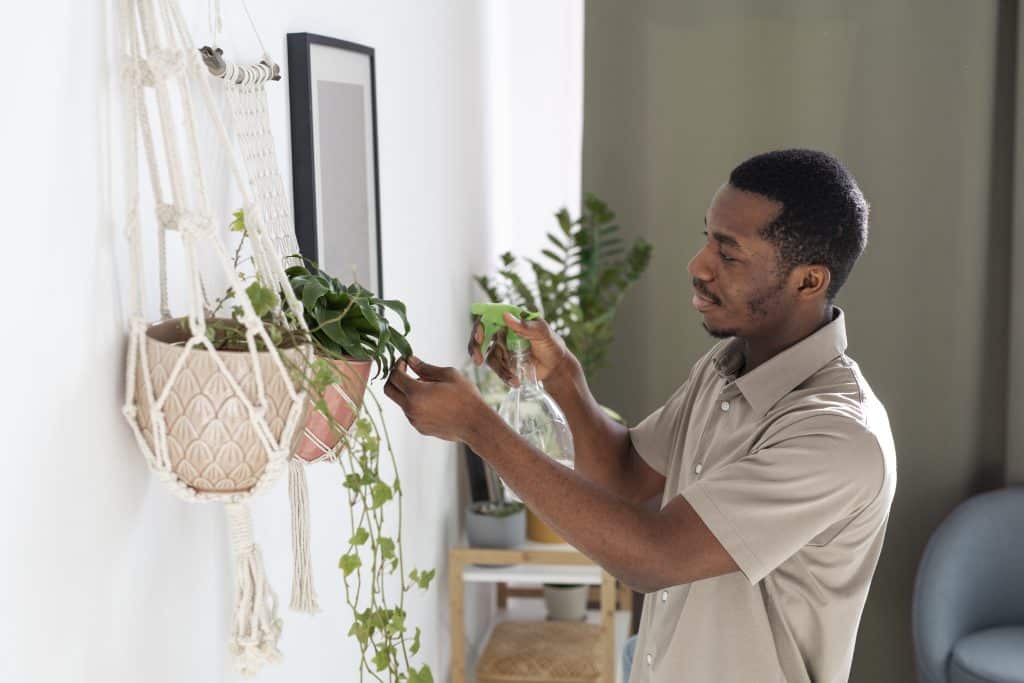
Bright yellows, rich blues, and fresh greens can introduce a lively seasonal feeling while drawing attention to specific areas.
Accent furniture, cushions, artwork, or decorative objects provide easy ways to experiment with stronger colors without overwhelming the room.
Soft pink, lilac, and mint can balance bolder tones, giving the overall palette a lighter and more relaxed spring atmosphere.
- Consider a cerulean blue accent chair for a strong focal point.
- Bright orange throw pillows can introduce seasonal contrast.
- Natural greens connect indoor decor with surrounding plant life.
Mixing and Matching
Combining different colors and patterns can create a layered interior that feels expressive without becoming visually chaotic.
A patterned rug can work with solid furniture when the surrounding colors repeat or complement elements already present elsewhere.
Accessories such as colorful vases, artwork, and textiles make seasonal experimentation easier because they can be changed with minimal effort.
Seasonal Inspiration
Spring flowers, landscapes, and changing natural light can provide useful inspiration when choosing colors for different rooms.
Sunflowers, daisies, leaves, and other natural references can inspire artwork, fabrics, cushions, and decorative accents throughout the home.
A balanced color palette can support a brighter seasonal mood while still matching the character of your existing interior.
Natural Elements: Bringing the Outdoors In
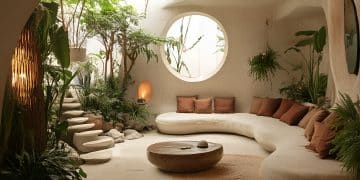
Natural elements can make interior spaces feel calmer, fresher, and more connected with the outdoor environment during spring.
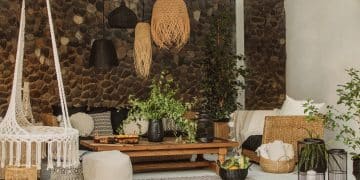
Plants, wood, stone, woven fibers, and natural light can introduce texture while softening modern or highly structured rooms.
This approach works especially well when materials are repeated throughout the space instead of appearing as isolated decorative elements.
Incorporating Plants
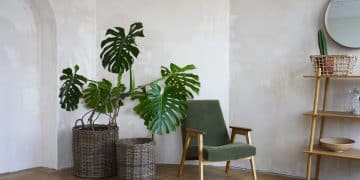
Indoor plants add greenery and visual softness while helping create a stronger connection between interior spaces and seasonal growth.
Combining larger statement plants with smaller varieties can create different heights, shapes, and points of interest throughout a room.
Plant selection should also reflect available light, maintenance needs, and the actual conditions inside each part of the home.
- Add a tall fiddle leaf fig as a statement plant.
- Use smaller succulents on shelves and tables.
- Hanging plants can add softness and vertical interest.
Using Earthy Colors
Earthy shades such as warm brown, tan, muted green, and clay tones can make a room feel grounded and comfortable.
These colors pair naturally with light walls, wooden furniture, woven textiles, and brighter accents used throughout the spring season.
Bamboo furniture, stone accessories, and similar materials can reinforce the natural theme while adding useful texture and visual contrast.
Textures and Patterns: A Mix of Styles
Mixing textures and patterns creates visual depth while allowing individual furniture, fabrics, and accessories to feel more distinctive.
The strongest combinations usually balance smooth and rough surfaces rather than placing too many highly detailed materials together.
For South African spring decor trends 2026, layered materials can create warmth while preserving a fresh and relaxed seasonal atmosphere.
Layering Textures
Layering linen, woven fibers, velvet, wood, and similar materials can make an interior feel richer without relying on extra decoration.
The contrast between soft textiles and harder surfaces gives furniture and accessories clearer definition within the same room.
Repeating a few textures in different locations helps maintain consistency while preventing the space from appearing overly busy.
- A velvet sofa paired with a woven throw.
- A jute rug layered over a wooden floor.
- Pillows in different fabrics for added texture.
Bringing in Patterns
Patterns can introduce personality through curtains, cushions, rugs, wall art, and other decorative surfaces used throughout a room.
Floral designs can bring seasonal freshness, while geometric motifs can create stronger structure and visual rhythm within the decor.
Combining larger and smaller patterns usually works best when they share related colors or are balanced by solid surrounding elements.
- Pair a large floral print with smaller geometric shapes.
- Mix bold colors with muted tones for balance.
- Use patterned curtains beside solid-colored furniture.
Cultural Influences: Celebrating South African Heritage
Cultural references can give interior design stronger identity when they are incorporated thoughtfully and with respect for their origins.
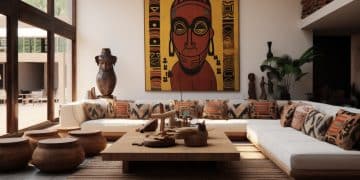
Local textiles, artwork, ceramics, baskets, and handcrafted objects can introduce materials and visual traditions connected with South Africa.
Within South African spring decor trends 2026, these pieces can add character while supporting a more personal approach to decorating.
Incorporating Traditional Patterns
Traditional patterns can introduce color, geometry, and storytelling through fabrics, wall pieces, cushions, or other decorative details.
Choosing authentic or responsibly sourced textiles helps preserve the context behind the design instead of treating cultural elements as generic decoration.
These patterns are most effective when they complement the surrounding room rather than competing with every other decorative feature.
- Cushions or throws featuring locally inspired textiles.
- Table runners that highlight traditional craftsmanship.
- Wall hangings used as focused decorative pieces.
Art and Craftsmanship
South African artwork can become a central decorative feature while giving local artists and creative traditions greater visibility.
Handmade pottery, woven baskets, carved pieces, and similar objects combine function with craftsmanship and create stronger visual identity.
Selecting pieces that genuinely resonate with you creates a more meaningful interior than choosing objects only because they match a trend.
Sustainable Decor: Eco-Friendly Choices
Choosing sustainable decor can reduce unnecessary consumption while encouraging longer-term use of furniture and decorative items.
Durability, sourcing, repairability, and material composition are often more important than simply labeling a product as environmentally friendly.
A sustainable home can still feel colorful and expressive when existing items are reused, repaired, adapted, or selected more carefully.
Materials Matter
Materials such as responsibly sourced wood, recycled glass, metal, and natural textiles can support a more considered decorating approach.
The environmental impact still depends on production, transport, durability, and how long the product remains useful inside the home.
Choosing fewer well-made pieces can sometimes be more effective than repeatedly replacing inexpensive decorative items each season.
- Bamboo furniture when responsibly produced and sourced.
- Recycled glass vases and decorative accessories.
- Organic cotton or hemp fabrics for selected textiles.
Energy-Efficient Lighting
LED lighting can reduce electricity consumption compared with many older bulb technologies while providing flexible options for different rooms.
Natural daylight can also reduce dependence on artificial lighting when windows, curtains, and furniture placement allow light to travel effectively.
Fixtures made from durable or reused materials can complement the sustainable approach without sacrificing function or visual appeal.
Upcycling and DIY Projects
Upcycling extends the usefulness of existing furniture or household items by transforming them instead of immediately replacing them.
Simple projects can refresh worn pieces with paint, new hardware, repairs, or a different function suited to the current space.
This approach can reduce waste while creating decorative pieces that feel more personal than mass-produced seasonal accessories.
- Turn a wooden pallet into a simple coffee table.
- Repaint an old chair to refresh its appearance.
- Reuse suitable bottles as decorative vases or holders.
DIY Ideas for Spring Decoration
DIY projects offer an affordable way to update seasonal decor while giving homeowners greater control over colors, materials, and finishes.
Many projects can reuse objects already available at home, reducing the need to purchase entirely new decorative accessories.
Within South African spring decor trends 2026, handmade details can add personality without requiring major renovation or expensive furniture changes.
Crafting With Nature
Natural materials such as suitable twigs, dried flowers, and leaves can become simple decorative elements when collected responsibly.
Wreaths, arrangements, and printed botanical designs can introduce seasonal character without requiring complex tools or expensive materials.
Using natural inspiration also makes it easier to coordinate homemade decor with plants and earthy textures already present indoors.
- Create a twig wreath decorated with seasonal flowers.
- Use flowers in simple jars for a relaxed display.
- Create leaf-inspired prints for fabric or wall art.
Upcycling Old Items
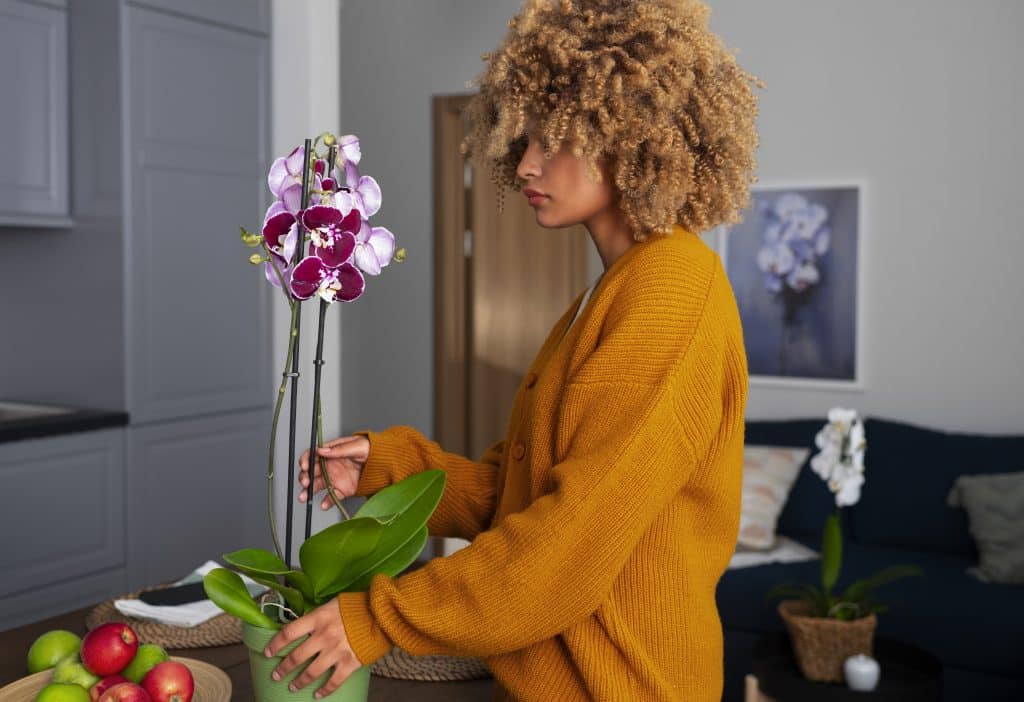
Old household objects can often be adapted into useful decorative pieces rather than discarded when their original purpose ends.
Small repairs, paint, and creative repositioning can completely change the appearance of furniture, containers, frames, or storage items.
Before starting, make sure the material is suitable and safe for the intended new purpose, especially for furniture or planters.
- Transform an old ladder into a decorative bookshelf.
- Reuse suitable bottles as decorative vases or holders.
- Turn prepared tin cans into small painted planters.
Paint and Refresh
Paint offers one of the simplest ways to change the appearance of furniture and decorative items without replacing them entirely.
Accent chairs, tables, frames, mirrors, and plant pots can all be updated using colors that coordinate with the spring palette.
Patterns and stencils can introduce additional detail, but keeping a consistent color scheme helps prevent individual projects from feeling disconnected.
- Refresh accent furniture with seasonal colors.
- Paint frames and mirrors to coordinate with the room.
- Update garden pots with brighter spring shades.
FAQ – Frequently Asked Questions About South African Spring Decor Trends 2026
What are some key colors to use in spring decor?
Bright blue, orange, green, and softer pastel shades can work well, but the best palette should complement your existing furniture and interior style.
How can I incorporate natural elements into my home?
Use indoor plants, wooden furniture, stone accents, woven fibers, and natural light to create a stronger connection between indoor and outdoor spaces.
What are some DIY ideas for spring decoration?
Simple options include making a twig wreath, repainting older furniture, refreshing plant pots, or adapting suitable household items into decorative pieces.
Why is sustainable decor important?
Sustainable decorating can reduce unnecessary waste by encouraging reuse, longer product life, responsible materials, and more thoughtful purchasing decisions.
Author