Sustainable home decor South Africa: Transform your space
Advertisements
Sustainable home decor South Africa combines responsible material choices, local craftsmanship, creative reuse, and nature-inspired design. Discover practical ways to decorate your home beautifully while reducing unnecessary waste and supporting more thoughtful consumption.
Sustainable home decor South Africa offers homeowners creative ways to build attractive living spaces while considering the environmental impact of furniture, materials, and decorative accessories.
From reclaimed wood furniture to handmade baskets and natural textiles, sustainable decorating combines practical decisions with personal style. Many approaches also support local skills and craftsmanship.
Advertisements
Understanding materials, responsible sourcing, and simple DIY techniques can make decorating more affordable and environmentally conscious. This guide explores useful ideas for creating a beautiful South African home.
Understanding Sustainable Home Decor
Sustainable home decor involves selecting furniture and accessories with greater consideration for their materials, production methods, durability, and environmental effects. It encourages responsible choices rather than unnecessary consumption.
In South Africa, this approach can include locally produced furniture, reclaimed materials, handmade decorative pieces, and carefully selected textiles. These options provide opportunities to combine functionality with individual style.
The goal is not to replace everything you already own with products labeled eco-friendly. Keeping useful items, repairing damaged furniture, and avoiding unnecessary purchases are equally valuable considerations.
What Is Sustainable Home Decor?
Sustainable decorating considers how household products are made, used, maintained, and eventually discarded. It emphasizes long-lasting designs and materials selected with environmental responsibility in mind.
A wooden dining table that can be repaired may provide greater long-term value than furniture requiring frequent replacement. Similarly, secondhand accessories can offer character without additional manufacturing.
When exploring sustainable home decor South Africa, consider the complete lifespan of each purchase. Material sourcing, transportation, maintenance, and expected durability all influence its overall environmental impact.
Key Principles of Sustainable Decorating
Responsible decorating begins with choosing products that serve a genuine purpose and suit your home. A carefully selected item should provide functionality, comfort, or lasting visual appeal.
Durability matters because replacing furniture repeatedly can increase material consumption and waste. Reusable, repairable, and appropriately sourced products may offer practical advantages over disposable alternatives.
Local production can also support regional businesses and craftsmanship, although environmental benefits depend on materials and manufacturing methods. Understanding these differences helps avoid misleading sustainability assumptions.
Creating a Sustainable Interior Style
Sustainable interiors do not have to follow a particular decorating aesthetic. Minimalist, rustic, contemporary, and colorful spaces can all incorporate more responsible purchasing and maintenance practices.
Combining existing furniture with carefully chosen accessories can create a cohesive appearance without requiring a complete renovation. Natural textures and neutral backgrounds often complement handmade decorative objects.
Personal preferences should guide the final result, making sustainability part of everyday decision-making. A home that reflects your lifestyle is more likely to remain comfortable and functional.
Benefits of Sustainable Materials
Materials influence the appearance, durability, maintenance, and environmental impact of furniture and decorative accessories. Selecting suitable options can improve functionality while supporting more thoughtful purchasing decisions.
Reclaimed timber, recycled metals, durable fabrics, and responsibly sourced natural fibers offer different characteristics. Their suitability depends on how they were produced and where they will be used.
For homeowners interested in sustainable home decor South Africa, comparing material properties helps balance aesthetics, affordability, durability, and environmental considerations without relying exclusively on marketing claims.
Environmental Impact of Material Choices
Manufacturing new furniture requires materials, energy, transportation, and processing. Extending the lifespan of existing items can help reduce demand for some additional products and resources.
Reclaimed wood and recycled materials may offer useful alternatives, particularly when they can be incorporated safely into new designs. Their environmental benefits depend on sourcing and processing.
Choosing local materials may reduce certain transportation requirements, but distance alone does not determine sustainability. Production methods, product longevity, and delivery arrangements also deserve consideration.
Health and Indoor Air Quality
Some furniture, paints, adhesives, and surface treatments release volatile organic compounds, commonly known as VOCs. Selecting suitable low-emission products can help manage certain indoor air pollutants.
However, natural materials are not automatically free from irritants or harmful substances. Product composition, finishes, ventilation, and individual sensitivities all influence indoor environmental conditions.
When purchasing decorative products, review available safety information and follow manufacturer recommendations. Appropriate ventilation and careful material selection are important parts of maintaining comfortable indoor spaces.
Durability and Long-Term Savings
Durable furniture can provide better long-term value when it remains functional for years. Well-constructed pieces may also be easier to repair instead of replacing entirely.
For example, a solid wooden chair can sometimes be refinished or repaired after normal wear. Certain inexpensive composite furniture products may offer fewer restoration options.
Cost should therefore be considered across a product’s expected lifespan rather than only its initial price. Maintenance requirements and construction quality can influence overall value.
Choosing Materials for Different Rooms
Different areas of the home require materials suited to their specific conditions. Kitchens and bathrooms, for example, often need surfaces that tolerate moisture and regular cleaning.
Living rooms may benefit from durable upholstery and repairable furniture, while bedrooms can accommodate softer textiles and decorative accessories. Each space presents different practical considerations.
Choosing materials according to actual use helps extend their lifespan and reduce unnecessary replacements. This approach supports both functional design and more responsible household spending.
Local Artisans and Their Craftsmanship
Local artisans contribute distinctive skills, designs, and production methods to South African home decoration. Their work includes ceramics, woven accessories, textiles, furniture, and decorative artwork.
Purchasing handmade products can create opportunities to support small businesses and learn about different creative traditions. It can also introduce individuality into otherwise standardized interiors.
Within sustainable home decor South Africa, artisan-made products are particularly interesting when buyers can verify their origins, materials, craftsmanship, and expected durability.
Preserving Cultural Heritage
South Africa has diverse artistic traditions shaped by different communities, histories, and regional practices. Techniques such as basket weaving, beadwork, pottery, and woodcraft reflect this variety.
Some makers draw on knowledge passed between generations, while others combine inherited techniques with contemporary designs. Both approaches contribute to the country’s evolving creative landscape.
Learning about the artist behind an object can deepen appreciation for its craftsmanship. Cultural patterns and symbols should be understood through their specific origins rather than generalized interpretations.
Quality and Unique Design
Handcrafted objects often display individual details that distinguish them from standardized mass-produced products. Differences in texture, shape, or finishing can contribute to their character.
However, handmade construction does not automatically guarantee superior durability or sustainability. Material quality, production methods, and the intended purpose remain essential considerations for buyers.
Inspecting how an object was assembled can help identify its practical strengths. When possible, ask the maker about maintenance recommendations and suitability for everyday use.
Supporting Local Creative Businesses
Purchasing directly from artists and workshops may help support income opportunities within local communities. Craft markets and independent studios can make these connections more accessible.
Transparent pricing and information about production can also help customers understand how handmade products reach the market. These details are useful when evaluating ethical purchasing claims.
Buying locally is most meaningful when the product genuinely suits your needs and is made through responsible practices. Thoughtful purchases offer more value than collecting unnecessary decorations.
Where to Discover South African Artisans
Craft markets, independent galleries, design exhibitions, and local workshops provide opportunities to explore handmade decorative pieces. Some artisans also maintain online stores and social media profiles.
Visiting these spaces allows buyers to compare materials, examine construction, and learn about individual designs. Direct conversations may provide useful information about the creative process.
Before ordering online, review seller details, shipping arrangements, and return policies. Authenticity and production claims should be supported by reliable information rather than photographs alone.
DIY Tips for Eco-Friendly Decor
DIY decorating projects can give existing household materials a new purpose while allowing greater creative freedom. Simple improvements often require fewer resources than purchasing entirely new furniture.
Painting an old table, recovering a cushion, or creating decorative storage containers can refresh a room without major expenses. These projects also encourage practical repair skills.
For anyone exploring sustainable home decor South Africa, DIY projects offer opportunities to personalize living spaces while considering waste reduction and responsible material use.
Choosing Sustainable Materials for DIY Projects
Begin by identifying materials already available in your home, such as unused fabric, jars, wooden furniture, or decorative accessories. Reusing existing resources can reduce additional purchases.
When new materials are necessary, consider durability, maintenance, and appropriate sourcing. Select paints, adhesives, and finishes suitable for the particular project and indoor environment.
Safety should remain a priority when handling reclaimed materials. Older coatings, treated timber, damaged electrical components, and unknown substances may require special precautions or professional assistance.
Upcycling Old Furniture
Upcycling involves adapting an existing object to create a different appearance or purpose. An outdated chair, for example, can sometimes be refreshed through careful cleaning and refinishing.
Replacing handles, repairing joints, or applying suitable finishes can extend furniture life. These changes may preserve useful items while avoiding the expense of replacement.
Before beginning, inspect the object’s condition and confirm that it can safely support its intended use. Structural damage may require professional repair rather than decoration alone.
Creative Projects With Reused Containers
Glass jars and suitable containers can become attractive storage accessories for desks, kitchens, or craft areas. Decorative finishes can help them match an existing interior style.
Old bottles may also serve as simple vases for dried arrangements or fresh flowers. Choose stable containers and make sure they are appropriate for the intended use.
If creating candle-related decorations, use containers specifically designed for heat exposure. Ordinary glass jars should not automatically be treated as safe candle holders.
Repurposing Fabric and Textiles
Unused clothing, curtains, and fabric remnants may be suitable for cushion covers, small accessories, or decorative textile projects. Repurposing can help extend the usefulness of existing materials.
Choose fabrics according to their strength, texture, and cleaning requirements. Materials intended for decorative use may not always withstand heavy upholstery or repeated washing.
Simple sewing projects are especially practical for beginners because they require relatively little equipment. Matching colors and patterns helps reused textiles complement the surrounding room.
Using Natural Colors and Decorative Finishes
Natural-looking finishes and earthy colors can create a warm atmosphere in DIY projects. Muted greens, beige, terracotta, and brown shades complement different furniture styles.
Plant-based dyes may also be used in selected textile projects, although their colorfastness and environmental performance vary. Natural ingredients are not necessarily safer than manufactured alternatives.
Test any dye or finish on a small area before applying it widely. Appropriate preparation can prevent disappointing results and unnecessary material waste.
Incorporating Natural Elements Into Your Home
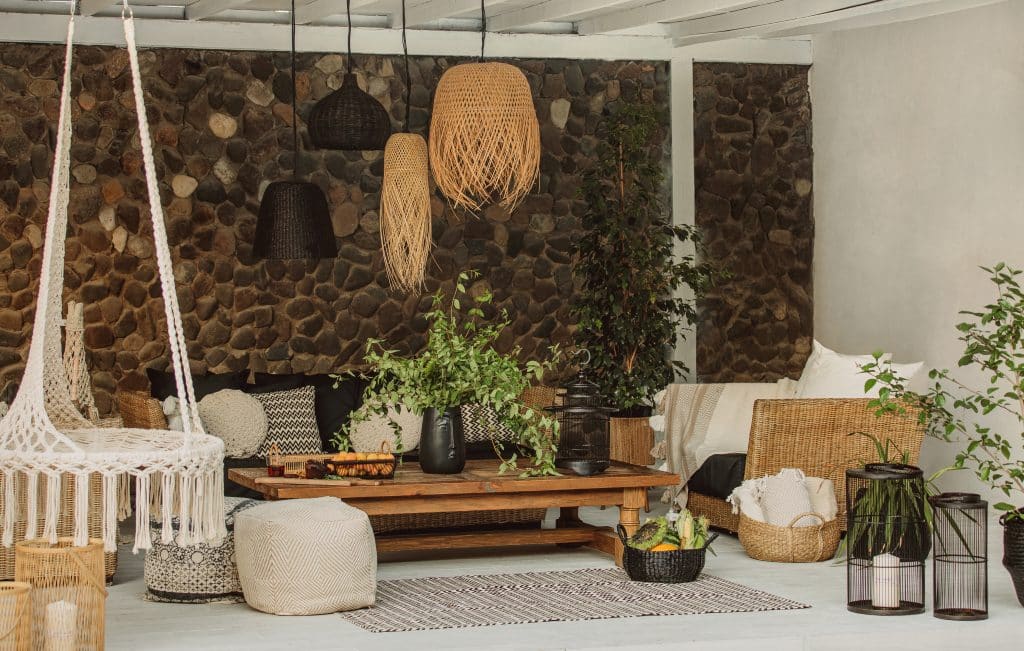
Natural elements can add texture, visual warmth, and a connection to outdoor environments. Wood, stone, plants, and natural-looking textiles are common choices for this approach.
These materials can complement contemporary interiors as well as rustic or traditional decorating styles. Their appearance often works well alongside neutral colors and simple furniture.
When applying sustainable home decor South Africa, consider how natural elements fit into the overall space without assuming that every nature-inspired product is environmentally responsible.
Types of Natural Elements
Wooden furniture introduces warmth through visible grain and texture, while stone accessories provide contrasting surfaces. These materials can become focal points without requiring elaborate decoration.
Natural fibers such as linen, cotton, wool, and jute are used in different household textiles. Their practical characteristics depend on construction, processing, and intended use.
Combining several textures can create an inviting interior without excessive clutter. The key is selecting materials that remain suitable for everyday activities and maintenance.
Adding Plants to Living Spaces
Indoor plants can introduce color and visual interest while helping rooms feel connected to nature. Their placement should account for natural light, available space, and watering requirements.
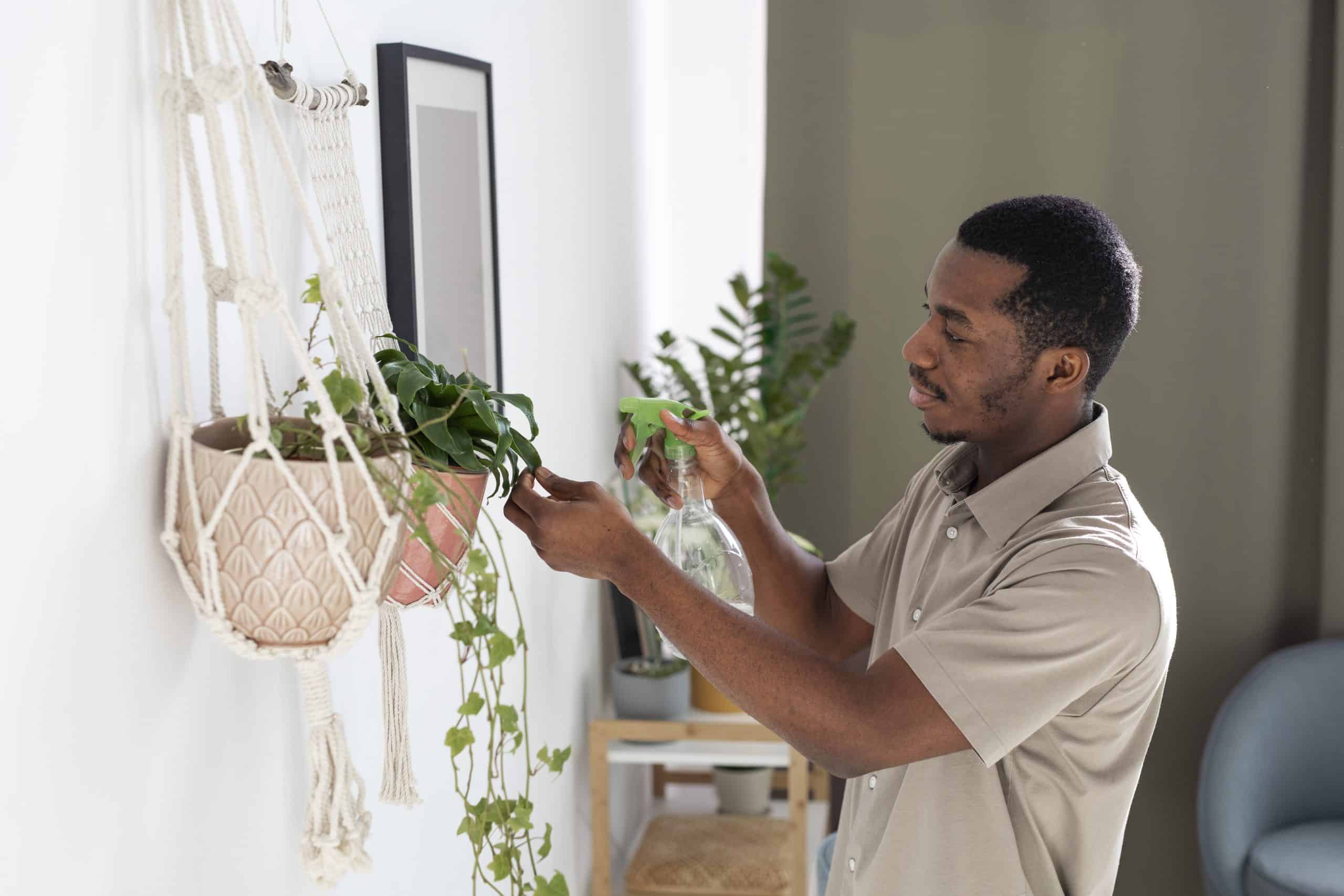
Smaller plants work well on suitable shelves or tables, while larger varieties can create attractive focal points. Hanging planters also provide options for limited floor space.
Although plants are appealing decorative elements, a few houseplants should not be relied upon to meaningfully purify indoor air. Ventilation and source control remain important.
Choosing Plants for Your Home
Different indoor plants require different conditions, including suitable lighting, humidity, temperature, and watering routines. Selecting compatible varieties makes ongoing care easier and more manageable.
Snake plants and pothos are commonly considered approachable options, although their needs still vary by location. Some popular houseplants are toxic to pets if ingested.
Before purchasing, verify the plant’s care requirements and household safety considerations. Choosing appropriate varieties helps prevent unnecessary replacements and supports healthier plant maintenance.
Decorating With Natural Textiles
Natural textiles can bring softness and texture into rooms through curtains, cushions, rugs, and other accessories. Linen and cotton offer different appearances and practical characteristics.
Jute and wool can also contribute distinctive textures depending on the product and construction. However, fiber origin alone does not establish an item’s sustainability credentials.
Choose textiles based on durability, cleaning needs, and sourcing information when available. Well-maintained fabrics can remain useful and attractive for extended periods.
Using Stone and Water Features
Stone accessories can introduce subtle contrast into rooms dominated by softer materials. Decorative bowls, sculptures, and carefully arranged stones offer different styling possibilities.
Small water features may create an appealing sound, but they require appropriate cleaning, electricity, and water management. Their suitability depends on household conditions.
Use these decorative elements selectively to maintain balance within the space. A thoughtfully chosen feature often provides more visual impact than numerous unrelated accessories.
Trends in Sustainable Design
Sustainable interior design increasingly emphasizes responsible material use, adaptable spaces, and products intended for long-term use. These priorities can influence both decorating and renovation decisions.
Nature-inspired interiors, reused furniture, and more efficient household technologies offer different opportunities for improvement. Their environmental benefits depend on how they are implemented.
Understanding these approaches helps homeowners evaluate sustainable home decor South Africa beyond appearance alone. Practicality, maintenance, and resource consumption deserve equal attention.
Biophilic Design
Biophilic design seeks to strengthen the connection between indoor spaces and natural environments. Common elements include daylight, vegetation, natural textures, and views of outdoor landscapes.
These features can create appealing interiors that feel more connected to surrounding environments. However, their effects depend on individual preferences and overall building conditions.
Simple changes such as adjusting furniture placement to use daylight or introducing suitable plants may be practical starting points. Major renovations are not always necessary.
Upcycling and Repurposing
Repurposing furniture allows homeowners to explore new decorating possibilities without immediately purchasing replacement pieces. Older tables, chairs, cabinets, and decorative objects may offer restoration potential.
A suitable wooden cabinet can be refinished, while usable fabric may become decorative accessories. These projects can preserve materials and introduce character into existing interiors.
Before repurposing an object, consider its structural condition and practical limitations. Safe, durable results are more important than completing a project solely with reused materials.
Minimalism and Conscious Consumption
Minimalist decorating focuses on intentional selection and reducing unnecessary clutter. Its practical appeal comes from creating spaces that remain comfortable, organized, and easy to maintain.
However, sustainability does not require a completely minimalist aesthetic. Colorful and layered interiors can also reflect responsible purchasing when their contents are valued and maintained.
Choosing fewer unnecessary products, regardless of decorating style, can help reduce consumption. The most useful approach prioritizes items that genuinely contribute to everyday living.
Energy-Efficient Home Improvements
Energy efficiency is another consideration when planning home interiors. Suitable lighting, ventilation, shading, and appliance choices can influence household electricity use.
LED lighting often provides an accessible improvement when replacing older, less efficient bulbs. Smart controls may also help manage electricity consumption when configured appropriately.
For broader renovation projects, official guidance on sustainable design can provide additional context about resource efficiency and responsible building practices.
Smart Technology and Water Conservation
Some households use smart thermostats, lighting controls, and other technologies to manage energy consumption. Actual savings depend on installation, settings, and household behavior.
Water-efficient fixtures may also support responsible resource management, particularly when they replace inefficient products. Maintenance remains important for preventing leaks and unnecessary water waste.
Before purchasing new technology, consider whether existing appliances can be adjusted or repaired. Avoiding unnecessary replacement can be an important part of sustainable planning.
How to Create a Sustainable Home on a Budget
More responsible decorating does not necessarily require expensive materials or a complete home renovation. Small changes can make existing rooms feel refreshed while preserving usable furniture.
Beginning with repairs, rearrangement, and selective purchases allows homeowners to control costs. This approach also makes it easier to identify which changes are genuinely necessary.
For people researching sustainable home decor South Africa, budget-conscious decisions can support practical improvements without encouraging the purchase of unnecessary decorative products.
Start With What You Already Own
Review existing furniture and accessories before purchasing anything new. A different arrangement may improve the function and appearance of a room without additional spending.
Decorative objects can also be moved between rooms to create variety. Sometimes a lamp, cushion, or small table works better in another part of the home.
Identifying useful items first helps avoid duplicate purchases and unnecessary waste. It also makes the decorating process more intentional and easier to manage.
Explore Secondhand Furniture
Secondhand markets and resale shops can provide access to furniture with useful remaining life. Older pieces may offer distinctive designs and restoration opportunities.
Before purchasing, inspect structural stability, upholstery condition, and evidence of moisture or pests. Consider whether repairs would be affordable and appropriate for the item.
A suitable secondhand purchase can save money while extending the life of existing materials. However, safety and overall condition should always guide the decision.
Prioritize High-Impact Changes

Some decorating improvements provide noticeable visual results without requiring extensive work. Repainting a suitable surface or changing textile accessories can refresh a familiar room.
Better furniture placement may also improve movement and natural lighting. These practical adjustments can make interiors feel more comfortable without additional construction.
Start with changes that solve an existing problem or improve everyday use. This helps direct spending toward meaningful improvements rather than temporary decorative trends.
Sustainable Home Decor South Africa: Key Takeaways
Creating a more sustainable home decor involves understanding materials, valuing existing belongings, and making thoughtful purchasing decisions. Responsible decorating can complement many different personal styles.
Supporting transparent artisan businesses, using appropriate natural elements, and exploring safe DIY projects are practical starting points. Each choice should be considered within its wider environmental context.
The following table summarizes important principles of sustainable home decor South Africa. These considerations can help guide decorating decisions without requiring major changes to an entire household.
FAQ – Frequently Asked Questions about Sustainable Home Decor
What are sustainable materials in home decor?
Sustainable materials are those selected with attention to sourcing, production, durability, and environmental impact. Examples may include responsibly sourced wood, reclaimed timber, recycled materials, and suitable natural fibers, depending on how they are produced.
How can I incorporate plants into my home design?
You can use potted plants, hanging planters, or vertical arrangements to introduce natural color and texture. Choose varieties suited to your home’s lighting, available space, maintenance routine, and household safety needs.
What is biophilic design?
Biophilic design is an approach that strengthens connections between indoor spaces and nature. It can incorporate daylight, plants, natural materials, outdoor views, and other features that reflect elements of the natural environment.
Why is supporting local artisans important?
Supporting local artisans can help sustain regional creative businesses, preserve specialized craftsmanship, and provide access to distinctive handmade products. Buyers should consider transparency, production practices, and product quality when making purchasing decisions.
Conclusion
Sustainable home decor South Africa offers practical opportunities to combine personal style with responsible purchasing, creative reuse, and greater attention to how household products are made.
Choosing durable furniture, supporting skilled artisans, and incorporating natural elements can help create attractive spaces. Repairing and maintaining existing belongings are equally important parts of this approach.
The most effective changes are those that suit your budget, household needs, and long-term preferences. A beautiful home can be developed thoughtfully, one practical improvement at a time.
Author