Energy saving tips home: make your bills lighter
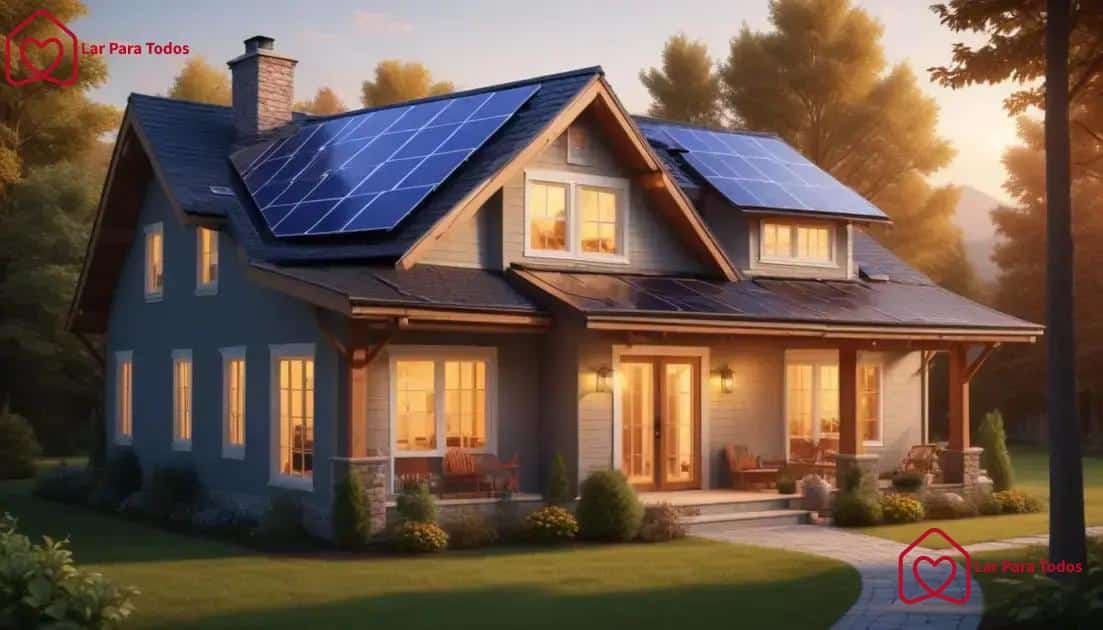
Energy saving tips for homes include using energy-efficient appliances, enhancing insulation, switching to LED lighting, and exploring alternative energy sources like solar and wind to significantly reduce utility bills.
Energy saving tips home are essential if you want to keep those monthly bills in check.
Wondering how small changes can make a big difference? Let’s dive into some practical tips that anyone can implement.
Understanding energy efficiency
Understanding energy efficiency is crucial for anyone looking to reduce energy consumption and lower their utility bills. It involves using less energy to provide the same service, making your home more sustainable and your expenses lighter.
Why Energy Efficiency Matters
By becoming more energy efficient, you not only save money but also help protect the environment. This is essential in today’s climate-conscious world. When you use energy more wisely, you decrease the demand for energy production, which often comes from fossil fuels.
Key Components of Energy Efficiency
There are a few key areas to consider when thinking about energy efficiency in your home:
- Smart appliances
- Insulation
- Lighting options
Smart appliances are designed to use less power while still providing the same outcomes. For instance, energy-efficient refrigerators can save up to 50% more energy compared to older models.
Insulation plays a similar role; it keeps your home warm in the winter and cool in the summer, reducing the need for heating and cooling systems to work as hard.
When it comes to lighting, energy saving bulbs enhance efficiency significantly. They consume less electricity and last longer than conventional bulbs, which means fewer replacements and less waste.
By understanding these elements, homeowners can take actionable steps toward reducing energy use. Not only does this contribute to a sense of social responsibility, but it also can lead to significant savings over time. Adopting energy-efficient measures today can foster a more sustainable future.
Simple daily habits for energy savings
Implementing simple daily habits for energy savings can make a significant difference in your monthly bills and your overall energy consumption. Small changes often accumulate into substantial savings over time.
Turning Off Lights
Avery easy way to save energy is by turning off lights when you leave a room. It sounds simple, but it’s often overlooked. Consider placing sticky notes near light switches as reminders.
Unplugging Devices
Did you know that many devices continue to consume energy even when not in use? This is known as phantom load.
Unplugging chargers, electronics, and appliances when they’re not needed can help minimize this waste. You can also use power strips to make this easier.
- Only charge devices when necessary
- Use power strips to easily disconnect
- Limit charging overnight
Another great habit is to adjust your thermostat by just a few degrees. In the winter, set it a degree or two lower.
In the summer, try raising it a couple of degrees higher. This can lead to noticeable energy savings without sacrificing comfort.
Using Natural Light
Whenever possible, utilize natural light during the day. Open your curtains and blinds to let sunlight in instead of relying on artificial lights. This not only saves energy but can also boost your mood.
It’s easy to forget how much energy we can save by just changing our daily routines. Regularly assessing your energy usage habits can lead to new ideas for saving energy.
By adopting even a few of these simple daily habits, you’re contributing to a healthier environment and enjoying lower utility bills.
Using energy-efficient appliances
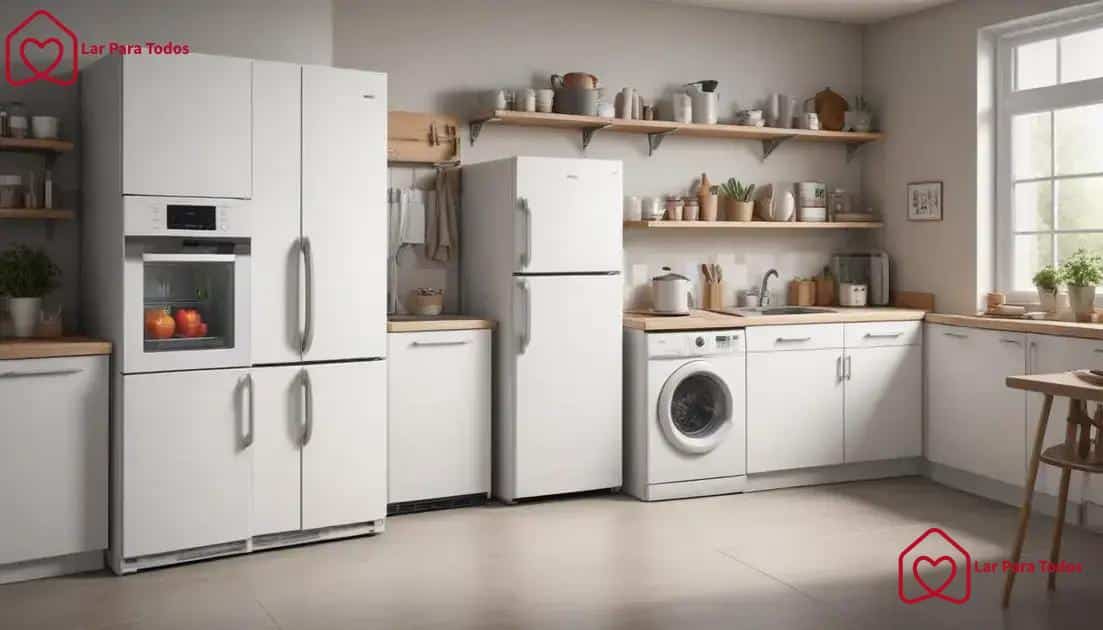
Using energy-efficient appliances is one of the best decisions you can make for your home and the environment. These appliances are designed to use less energy while still providing excellent performance, which can lead to significant savings on your utility bills.
How Energy-Efficient Appliances Work
These appliances often include features that help reduce energy consumption. For example, they might have advanced technology to optimize energy use.
Energy-efficient washing machines use less water and energy compared to older models, ensuring that you save on both fronts.
- Look for the ENERGY STAR label when shopping.
- Check for features like auto shut-off and programmable settings.
- Consider the size; larger appliances can consume more energy.
Another advantage of energy-efficient appliances is that they often come with warranties and can last longer than standard appliances. With proper maintenance, these efficient models can have a longer lifespan, providing even more value over time.
When upgrading, think about your most frequently used appliances like refrigerators, dishwashers, and ovens.
Benefits of Energy-Efficient Appliances
Using energy-efficient appliances offers multiple benefits beyond just savings. They can reduce your carbon footprint, leading to a healthier planet.
Furthermore, many utility companies offer rebates or incentives for choosing these models, allowing you to save even more at the time of purchase.
The upfront cost might be higher, but the long-term savings on energy bills often outweigh this initial expense.
When you invest in energy-efficient appliances, you not only contribute to environmental sustainability but also enhance your home’s overall efficiency and value over time.
The impact of insulation on energy costs
The impact of insulation on energy costs can be significant. Proper insulation helps keep your home at a comfortable temperature, reducing the need for heating and cooling systems to work overtime.
How Insulation Works
Insulation acts as a barrier to heat flow. In the winter, it keeps warm air inside, while during the summer, it keeps out the heat. This means your heating and cooling systems don’t have to use as much energy. As a result, you can enjoy lower energy bills.
Types of Insulation
There are various types of insulation available, each with its own benefits:
- Fiberglass – Common and cost-effective, great for attics and walls.
- Foam Board – Offers high insulation values in a thin format.
- Spray Foam – Expands to fill gaps, perfect for irregular spaces.
Understanding these types can help you choose the best option for your home. For example, foam board insulation is highly effective in areas like basements where moisture can be an issue.
More than just lowering energy costs, good insulation improves comfort. You’ll find that rooms maintain a more consistent temperature, reducing drafts and cold spots. This comfort can improve your quality of life at home.
Insulation and Home Value
Investing in proper insulation can also increase your home’s value. Potential buyers appreciate energy efficiency, and homes with good insulation are often more attractive.
Furthermore, some local governments offer tax credits or rebates for energy-efficient home upgrades, adding another incentive.
By understanding the impact of insulation on energy costs, you can make informed decisions that not only save you money but also promote a more sustainable lifestyle.
Alternative energy sources for homes
Exploring alternative energy sources for homes can be a transformative step for homeowners looking to reduce their energy bills and promote sustainability. These sources provide cleaner energy options and can minimize dependence on traditional fossil fuels.
Solar Energy
Solar energy is one of the most popular alternative energy sources. Solar panels can be installed on rooftops, absorbing sunlight and converting it into electricity. This not only reduces electricity costs but can also allow homeowners to sell excess energy back to the grid.
Wind Energy
Another great option is wind energy. Small wind turbines can be installed on properties in suitable locations.
These turbines generate energy from wind, which can reduce a home’s reliance on outside sources. Wind energy is particularly effective in areas with consistent wind patterns.
- Consider the local climate for energy needs.
- Research the installation costs and effectiveness.
- Check local regulations regarding turbine installation.
Geothermal energy is also a viable option for homes. This method uses the earth’s consistent underground temperature to heat and cool homes.
It involves installing a system that circulates fluid through pipes buried underground, offering efficient climate control throughout the year.
Hydropower
If you have access to a water source, such as a stream, hydropower can be an excellent alternative energy source.
Small-scale hydroelectric systems can provide reliable energy from flowing water. This option is particularly effective for homes situated near rivers or streams.
Adopting alternative energy sources for homes not only benefits your wallet but also supports the environment.
As more people turn to these sustainable solutions, the future of energy use becomes cleaner and more resilient. Embracing these alternative sources can make a positive impact on both personal energy bills and the broader community.
Tips for energy saving home improvements

Implementing simple tips for energy saving home improvements can lead to significant reductions in your energy bills and enhance your home’s comfort. Small upgrades make a big difference over time.
Upgrade Your Windows
Installing energy-efficient windows is a fantastic way to improve your home’s insulation. Double or triple-pane windows with Low-E coatings help keep your home warm in the winter and cool in the summer. This reduces the workload on your heating and cooling systems.
Install Energy-Efficient Lighting
Switching to LED or CFL bulbs is another easy upgrade. These bulbs use up to 80% less energy than traditional incandescent bulbs. Not only do they last longer, but they also help lower your electricity bills.
- Replace old bulbs with LED equivalents.
- Utilize timers for outdoor lights.
- Consider motion sensors for frequently used areas.
Another essential tip is to enhance your home’s insulation. Adding insulation to the attic, walls, and floors can prevent heat loss. This keeps your house comfortable during extreme temperatures while saving energy.
Consider Smart Home Technology
Integrating smart home technology can contribute significantly to energy savings. Smart thermostats learn your schedule and automatically adjust settings, optimizing heating and cooling based on occupancy. Smart plugs can also help monitor energy usage and reduce waste.
Lastly, be mindful of appliances. When purchasing new appliances, look for the ENERGY STAR label, as these models are designed to be more efficient. Regular maintenance of existing appliances also ensures they operate efficiently, extending their lifespan and saving energy.
By following these tips for energy saving home improvements, you can create a more efficient living space while contributing to environmental sustainability. Making informed choices today can lead to comfort and savings in the future.
Conclusion
In conclusion, adopting Energy saving tips for your home not only contributes to lowering your utility bills but also helps the environment.
Simple changes can lead to significant savings over time. From utilizing energy-efficient appliances to enhancing insulation and exploring alternative energy sources, every step counts towards creating a sustainable living space.
Remember, small improvements can make a big difference in energy conservation.
FAQ – Frequently Asked Questions about Energy Saving Tips for Homes
What are some easy ways to Energy saving at home?
You can save energy by switching to LED light bulbs, unplugging devices when not in use, and using a programmable thermostat.
How does insulation affect energy costs?
Proper insulation keeps your home comfortable by reducing the need for heating and cooling, significantly lowering your energy bills.
Are energy-efficient appliances worth the investment?
Yes, while they may cost more upfront, energy-efficient appliances use less energy, leading to savings on utility bills over time.
What alternative energy sources are suitable for homes?
Common alternative energy sources for homes include solar panels, wind turbines, and geothermal systems, each providing sustainable energy options.