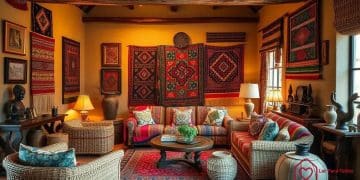
The Future of Style: The Home Decor Trends That Will Transform Interiors in 2026

Home Decor Trends 2026 are redefining the way we experience our homes, combining sustainable choices, expressive design, and intelligent solutions that adapt to modern lifestyles.
This new wave of interior style goes beyond aesthetics, focusing on comfort, identity, and innovation.
In 2026, living spaces are becoming more personal than ever. Design decisions now reflect emotions, routines, and values, blending clean lines with bold accents to create interiors that feel authentic and intentional.
From biophilic elements to adaptive lighting and curated textures, the future of interiors invites you to rethink how your home looks and feels. These emerging directions show that style and well-being are evolving hand in hand.
Sustainable materials for modern homes
Sustainable materials for modern homes are reshaping the way we think about interior design. These materials bring beauty and functionality while promoting environmental responsibility.
As homeowners seek to reduce their carbon footprint, the demand for sustainable options has grown immensely.
Using materials like bamboo, reclaimed wood, and recycled metals can add unique character to your living spaces. Bamboo, for instance, is not only durable but also grows quickly, making it a fantastic eco-friendly choice.
Reclaimed wood tells a story of its own, giving your home a rustic charm while also being kind to the planet.
Popular Sustainable Materials
- Bamboo: Fast-growing and renewable, ideal for flooring and furniture.
- Recycled Glass: Used for countertops and tiles, adds a modern touch.
- Reclaimed Wood: Perfect for beams, flooring, and accents.
- Cork: Soft underfoot, great for flooring, and harvested sustainably.
Choosing sustainable materials is not just about aesthetics; it also contributes to a healthier home environment. Many of these materials are free from harmful chemicals, which can improve air quality.
Furthermore, they often come from renewable or responsibly managed sources, aligning with a lifestyle that values sustainability.
The Role of Eco-Friendly Practices
Incorporating eco-friendly practices during construction or renovation can further enhance the benefits of using sustainable materials. This includes energy-efficient appliances, good insulation, and proper waste management.
These steps help create a space that is efficient and comfortable for you and your family.
Overall, making a commitment to sustainable materials in your home decor not only brings positive environmental impacts but also results in a space that reflects your values and style.
Every step you take towards eco-conscious choices contributes to a larger movement for a greener planet.
Bold colors and patterns to consider
Bold colors and patterns to consider bring vibrancy and personality to any space. This year, designers are experimenting with striking combinations that reflect individuality and creativity.
By incorporating these elements into your home, you can create an atmosphere that feels both alive and inviting.
Using bold hues like deep greens, rich blues, and fiery reds can dramatically change the mood of a room. Accent walls are a fantastic way to experiment with color without overwhelming the space.
If you’re feeling adventurous, try a bold wallpaper that features large patterns or intricate designs.
- Earthy Tones: Rich browns and greens that connect to nature.
- Jewel Tones: Deep sapphire, emerald, and ruby create a luxurious feel.
- Neutral with a Twist: Cream and gray paired with a pop of neon.
- Monochromatic Schemes: Different shades of a single color for sophisticated consistency.
Patterns also play a crucial role in modern decor. Mixing various designs can add depth and interest. For instance, combining floral prints with geometric patterns creates a lively mix that feels fresh.
It’s essential to find balance; use small patterns in large areas and bolder designs as accents.
In designing your space, consider layering different textures and patterns. A patterned rug can complement solid-colored furniture, while vibrant throw pillows can tie a room together.
As you choose your elements, keep your overall goal in mind: to create a space that reflects your style and feels comfortable.
Integrating bold colors and patterns into your decor not only refreshes your home but also showcases your personality. So take the plunge and express yourself through your unique design choices for Home Decor Trends 2026!
Mixing vintage and contemporary styles

Mixing vintage and contemporary styles is a popular trend that allows homeowners to create a unique and personalized space. Combining elements from different eras can add depth and character to your home, making it a reflection of your tastes and experiences.
One effective way to mix styles is by choosing a few standout vintage pieces to highlight. For example, an antique coffee table can serve as a stunning centerpiece in a modern living room.
Pairing it with sleek, contemporary furniture creates a beautiful contrast that feels curated and intentional.
Key Tips for Mixing Styles
Mixing different design styles is one of the most effective ways to create interiors with character and depth. A successful blend starts with thoughtful color coordination.
Maintaining a cohesive color palette helps unify contrasting elements, allowing vintage and contemporary pieces to coexist naturally within the same space. Neutral bases paired with recurring accent colors often work best to visually connect different styles.
Proportion and scale also play a crucial role in achieving balance. Combining a large vintage statement piece with smaller, modern furnishings prevents the room from feeling heavy or disjointed.
This contrast adds visual rhythm while keeping the layout harmonious. Texture further enhances this effect, as soft textiles like linen, wool, or velvet can be layered against harder surfaces such as wood, metal, or glass to create a dynamic and inviting environment.
Accessories are the final link that brings everything together. Carefully chosen decorative details, such as vintage objects, patterned cushions, or contemporary artwork, help bridge stylistic gaps and add personality.
Placing modern art above a classic sideboard or mixing patterned throws with minimalist furniture creates focal points that feel intentional rather than accidental.
Creating Harmony in Design
Creating harmony when blending styles relies on repetition and subtle connections. Echoing materials, finishes, or colors throughout the room ensures visual continuity, even when individual pieces come from different design eras.
Ultimately, mixing styles is about creativity and self-expression. By experimenting with combinations and trusting your instincts, your home can evolve into a space that feels both personal and effortlessly cohesive.
Smart technology in Home Decor Trends 2026
Smart technology in home decor trends 2026 is revolutionizing the way we interact with our living spaces. By integrating technology into design, homes can become more functional, efficient, and personalized.
Smart devices are not just practical; they also enhance the aesthetic appeal of modern interiors.
From smart lighting to automated thermostats, the range of options available is impressive. For example, smart bulbs can change colors or adjust brightness based on your mood or the time of day. This combination of convenience and customization helps create a welcoming atmosphere.
Innovative Smart Home Devices
Smart technology is becoming an integral part of modern interiors, seamlessly blending convenience with style.
Smart speakers allow homeowners to control lighting, music, and other connected devices through simple voice commands, creating a more intuitive and hands-free living experience.
These systems enhance daily routines while maintaining a clean and uncluttered aesthetic.
Smart thermostats contribute to both comfort and energy efficiency by automatically adjusting temperature settings based on usage patterns and environmental conditions.
This intelligent climate control not only improves indoor comfort but also helps reduce energy consumption over time.
Complementing this functionality, smart blinds offer scheduled opening and closing, giving homeowners precise control over natural light and privacy throughout the day.
Home security cameras have also evolved to integrate smoothly into interior design. Modern models are discreet, visually minimal, and designed to blend into the decor while providing reliable monitoring and peace of mind.
Together, these smart solutions demonstrate how technology can enhance functionality without compromising the visual harmony of contemporary living spaces.
Utilizing smart technology in your home can also lead to energy savings. For example, a smart thermostat learns your schedule and adjusts heating or cooling accordingly, reducing unnecessary energy consumption.
As you consider various devices, think about how they fit within your overall design vision.
Designing with Smart Tech
It’s essential to design with smart technology in mind. Choose devices that complement your decor style, whether minimalist, industrial, or traditional. For example, select smart lighting fixtures that match existing styles, so they look like a natural part of your decor.
Furthermore, integrate technology seamlessly by placing charging stations in stylish ways that blend with your furniture.
Incorporating smart technology into home decor not only enhances the functionality of your space but also contributes to a lifestyle that embraces innovation and comfort. Finding the right balance between beauty and tech can create an inviting and modern home.
Indoor plants: The new decor staple
Indoor plants are transforming the way we think about home decor. They not only beautify a space but also improve air quality and bring a sense of wellbeing. Incorporating plants into your decor can create a calming atmosphere and add life to any room.
One of the best aspects of using indoor plants is their versatility. From small succulents on a windowsill to larger, statement plants in the living room, there’s a perfect plant for every corner of your home.
For example, a snake plant is a popular choice due to its hardiness and striking vertical leaves.
- Pothos: Perfect for beginners, thrives in various light conditions.
- Fiddle Leaf Fig: A bold choice for larger spaces with its large leaves.
- Spider Plant: Great for hanging baskets and grows quickly.
- Peace Lily: Offers beautiful blooms and helps filter air.
Placing plants thoughtfully can create focal points throughout your home. For instance, position a tall plant in an empty corner to draw the eye upward. Furthermore, mixing different sizes and types of plants creates visual interest and makes your decor feel more dynamic.
Indoor plants offer numerous benefits beyond aesthetics. They can enhance your mood and reduce stress levels, making your home a more serene place.
Studies show that plants can even increase productivity and concentration, making them ideal for home offices. Plus, many plants are known to improve air quality by filtering out pollutants.
Integrating indoor plants into your decor is an easy way to personalize your space. Choose pots that match your home’s style, whether rustic, modern, or eclectic, to ensure that your plants blend seamlessly with your decor.
Ultimately, indoor plants bring joy and a fresh touch to any room, making them an essential decor staple.
Minimalism vs. maximalism: a design debate

Minimalism vs. maximalism: a design debate captures two contrasting approaches to home decor trends 2026.
Minimalism focuses on simplicity and functionality, while maximalism embraces boldness and abundance. Understanding both styles can help you create a space that reflects your personal taste.
Key Features of Minimalism
- Simplicity: Focuses on fewer decor items to create a clean look.
- Neutral Colors: Uses whites, grays, and muted tones for a soothing environment.
- Functional Furniture: Prioritizes pieces that serve a purpose while looking elegant.
- Open Space: Encourages a sense of freedom and minimizes visual clutter.
On the other hand, maximalism celebrates a more eclectic approach. It encourages mixing patterns, colors, and textures in vibrant ways.
This style thrives on personality and creativity, allowing you to layer decor items and display unique finds. A maximalist room might showcase a rich tapestry, an array of colorful cushions, and an abundance of art pieces that seem to tell a story.
Key Features of Maximalism
- Vibrant Colors: Embraces bold hues and contrasting shades to create energy.
- Eclectic Patterns: Mixes various designs, such as florals, stripes, and geometrics.
- Layered Textures: Combines different materials, like velvet, wood, and metal.
- Personal Expression: Focuses on showcasing your individual taste and experiences.
To find harmony between these two approaches, consider incorporating both styles in your home. For example, you might choose a minimalist layout with a strong maximalist accent, like a vibrant artwork or colorful pillows.
Ultimately, the balance you create can result in a space that feels uniquely yours.
In conclusion, embracing styles like minimalism and maximalism allows you to create a home that reflects your personality and preferences. Both approaches offer unique benefits and aesthetic appeal.
You can find the right balance by mixing these styles and incorporating elements that resonate with you.
Remember, your space should make you feel comfortable and inspired, whether you prefer the serenity of minimalism or the vibrancy of maximalism. Explore your creativity, and let your home decor tell your personal story.
FAQ – Questions About Home Decor Trends 2026
What is minimalism in home decor?
Minimalism focuses on simplicity, functionality, and the use of few decor items to create a calm and organized space.
How does maximalism differ from minimalism?
Maximalism embraces bold colors, eclectic patterns, and a layered approach to decor, celebrating abundance and personal expression.
Can I mix minimalism and maximalism in my home?
Yes, integrating both styles can create a unique and personalized space that balances simplicity with vibrant elements.
What are some key benefits of using indoor plants in decor?
Indoor plants enhance air quality, add visual interest, and bring a sense of calm to your living environment.