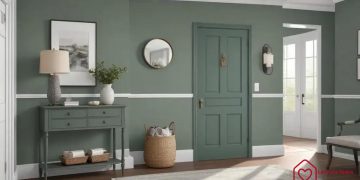
Calming entryway palette step by step


Is your home’s entrance a cluttered transition zone or a peaceful sanctuary? Implementing a calming entryway palette is the most effective way to ensure that the moment you step through your door, the stress of the outside world melts away.
A thoughtfully curated selection of hues doesn’t just change the look of a room; it shifts the entire energy of your household.
Let’s explore how you can transform your foyer into a tranquil haven that greets every guest with a sense of quiet sophistication.
Understanding the importance of color in entryways
Understanding color is essential for creating a welcoming atmosphere in your entryway. The colors you choose can profoundly affect how visitors perceive your home. Choosing the right shades can evoke feelings of calm and invite guests inside.
The psychology of color
Color psychology plays a significant role in your entryway’s design. Different colors elicit specific emotions and responses.
For instance, warm colors like red and orange can create energy, while cool colors such as blue and green promote tranquility. This is particularly important in your entryway, as it is the first impression of your home.
Influencing mood with colors
Selecting calming colors can help set a peaceful tone right from the start. Consider incorporating shades like:
- Soft blues for a serene atmosphere.
- Muted greens to refresh and revitalize.
- Warm neutrals for a cozy environment.
Using these colors thoughtfully can create a space that feels welcoming and relaxing. When combined with the right decor, they accentuate the overall design.
Lighting is also crucial. Natural light can enhance your color choices. If you have a brightly lit entryway, soft colors will remain vibrant, while in darker spaces, you might prefer warmer tones to maintain warmth.
Consider how light interacts with your color palette throughout the day.
Choosing the right color combinations
When combining colors, think about balance and contrast. High contrast can create excitement, while monochromatic schemes can feel sophisticated.
Always consider how these combinations represent your style and the mood you want to convey.
Your entryway is not just a passage but an invitation to experience your home. Thus, understanding the importance of color in entryways can help you create spaces that reflect your personality while making guests feel comfortable.
Choosing the right calming colors
Choosing the right calming colors is crucial for making your entryway inviting. The right shades can set a peaceful tone, helping to create a serene environment.
Consider the color wheel
The color wheel is a helpful tool. You can choose complementary or analogous colors for a cohesive look. Start with colors that are known for their calming effects, such as:
- Soft blues that promote tranquility.
- Gentle greens that bring a sense of nature indoors.
- Light grays that add sophistication without overwhelming.
Combining these colors can create a harmonious palette that feels restful and inviting.
Testing colors in natural light
Before committing to a color, always test it in your entryway. Natural light can change how colors appear throughout the day.
What seems calming in the morning light might look different in the evening. So, apply a few swatches and observe how they interact with your lighting.
Don’t forget about the size of your entryway. Lighter colors can make smaller spaces feel larger, while deeper shades can create intimacy. It’s all about balancing the overall feel.
Accessorizing with calming colors
Once you’ve chosen your main colors, accessorize with items that incorporate those shades. Think about rugs, artwork, or plants in calming colors that enhance the atmosphere. These elements add depth and character to your entryway.
Incorporating color into your entryway isn’t just about paint. It’s about creating a space that reflects peace and comfort. Remember, choosing the right calming colors sets the first impression for everyone who enters your home.
Step-by-step guide to painting your entryway

A step-by-step guide to painting your entryway can help transform your space efficiently. Painting may seem daunting, but with the right approach, you can achieve beautiful results.
Gather your materials
Before you start, gather all necessary materials. Here’s a checklist for your painting project:
- Paint: Choose your calming color based on previous research.
- Paint roller and brushes: These tools will help you reach corners and large areas.
- Painter’s tape: This will protect surfaces you don’t want to paint.
- Drops cloths: Use these to protect your floors and furniture.
Having everything ready will make the process smoother.
Prepare your space
Next, prepare your entryway. Start by removing any furniture or decor items that may get in the way. Clean the walls to ensure the paint adheres well. Filling in holes with spackle will give you a smooth surface.
Once everything is clean, use painter’s tape to protect trim and areas where you don’t want paint.
Now it’s time to start!
Start painting
Begin with a primer if your walls need extra coverage. Once dried, proceed by cutting in with a brush around edges and corners. This ensures even coverage where rollers can’t reach.
Now, use the roller to fill in large areas. Apply the paint in a ‘W’ pattern for the best results. Allow the first coat to dry completely before applying a second coat. This ensures the color is vibrant and covers well.
Finishing touches
After the painting is done, carefully remove the painter’s tape while the paint is still slightly wet. This will give you a cleaner line. Once everything is dry, replace your furniture and add your calming decor elements to complete the look.
Remember to give your new entryway a day or two to air out before showing it off to guests!
Incorporating decor elements for a serene look
Incorporating decor elements for a serene look can enhance the calming atmosphere of your entryway. The right pieces can tie your color choices together and create a welcoming environment.
Selecting the right decor
When choosing decor, consider items that complement your calming color palette. This can include:
- Indoor plants: They not only purify the air but also add life and color to your space.
- Artwork: Choose pieces that are simple and evoke peace, like landscapes or abstract art in soft tones.
- Mirrors: They can make a space feel larger and reflect light, enhancing the color of your walls.
These elements can help create a harmonious entryway.
Layering textures
Layering different textures can also add depth to your decor. Use a soft rug underfoot and consider using woven baskets for storage. A mix of materials, such as wood, metal, and textiles, creates interest and warmth without overwhelming the senses.
Incorporating natural elements, like wooden furniture or stone accents, can also bring a sense of tranquility. These features remind us of nature, which helps in creating a peaceful space.
Lighting choices
Lighting is essential in setting the mood. Soft, warm lighting can instantly make your entryway feel calm and inviting. Consider adding:
- Table lamps with warm bulbs for a cozy feel.
- Sconce lights to highlight decor and add elegance.
- String lights for a whimsical touch that’s still relaxing.
Make sure to choose fixtures that blend well with your overall decor style while promoting that serene vibe.
Incorporating decor elements thoughtfully can turn your entryway into a peaceful transition space. Remember, small details contribute greatly to the overall atmosphere.
Maintaining a calming atmosphere
Maintaining a calming atmosphere in your entryway is essential for setting a positive tone as you enter your home. Consistent care and attention to detail can help keep the space serene and inviting.
Regular cleaning
One of the simplest ways to maintain a calming atmosphere is through regular cleaning. Dust and clutter can disrupt the peace you want to create. Make it a habit to keep surfaces clean and organized. Consider the following:
- Daily tidying: A few minutes each day can keep your entryway in shape.
- Weekly deep cleaning: Take time to clean baseboards, light fixtures, and other areas that collect dust.
- Decluttering regularly: Remove items that don’t belong or are not used often.
By keeping your space clean, you support a tranquil environment.
Creating a calming scent
Another way to enhance the atmosphere is with calming scents. Scent can greatly influence mood. Consider using:
- Scented candles: Look for calming scents like lavender or eucalyptus.
- Essential oil diffusers: These can gently disperse aroma throughout the space.
- Fresh flowers: They provide a natural fragrance and beautify the area.
Incorporating these elements can promote relaxation and a sense of welcome.
Mindful organization
Organization plays a significant role in maintaining tranquility. Use bins, baskets, or shelves to keep items in their place. This prevents clutter from building up.
When everything has a designated spot, it becomes easier to maintain order. In addition, consider adding a small bench or hooks for coats. This makes it easier to keep your entryway organized and functional.
Regularly assess your decor and organization. If something feels off or out of place, take the time to rearrange or remove it. New layouts or decor can refresh the space, keeping its calming elements intact.
Common mistakes to avoid when designing an entryway

Designing an entryway can be exciting, but it’s essential to avoid common mistakes that could disrupt the calming atmosphere you want to create. Understanding these pitfalls can save you time and effort.
Overcrowding the space
One of the most frequent mistakes is overcrowding the entryway with too much furniture or decor. This can create a cluttered feel rather than a serene environment. To keep your entryway feeling open and inviting, focus on:
- Minimalism: Use fewer, well-chosen pieces to create a more peaceful look.
- Functional items: Choose furniture that serves a purpose, like a bench for seating, but be mindful of how much you add.
- Open pathways: Ensure there’s enough room to walk comfortably without bumping into objects.
By being selective, you can keep the space from feeling cramped.
Ignoring lighting
Another mistake is neglecting proper lighting. An entryway should be well-lit to create a welcoming atmosphere. Consider these factors when planning your lighting:
- Natural light: Maximize any sources of natural light by using sheer curtains or minimal window coverings.
- Layered lighting: Combine ambient, task, and accent lighting for a balanced look.
- Warm bulbs: Opt for warm lighting to enhance the calming feel of the space.
Good lighting plays a crucial role in setting the right mood.
Choosing the wrong colors
Picking the wrong colors can also be detrimental. Colors that are too bright or dark may make your entryway feel uninviting. To ensure a calming palette:
- Choose soft tones: Soft blues and gentle greens create a calm effect.
- Consider undertones: Make sure the undertones of chosen colors work well together for a cohesive look.
- Test samples: Always test paint colors in your space to see how they look in different lighting.
Being mindful of color will lead to a more harmonious entryway.
Neglecting functionality
Lastly, don’t forget about functionality. An entryway should be practical as well as beautiful. To keep your design functional:
- Include storage solutions: Incorporate bins or baskets for shoes and other items to keep things tidy.
- Use hooks: Install hooks for coats and bags so they aren’t left lying around.
- Plan for circulation: Make sure there is enough space to move freely, especially if you have multiple people using the entryway.
Focusing on these practical needs will create a space that works well for daily use.
Conclusion: Your Journey to a Serene Home
Investing time in a calming entryway palette is a gift to your future self.
By choosing the right tones and maintaining a minimalist approach, you create a transition space that effectively bridges the gap between the chaotic outside world and your private sanctuary.
According to design experts at Homes & Gardens, the most effective entryway colors for 2026 focus on “earthy wellness”—specifically muted terracottas, sage greens, and warm stones.
Their research indicates that these specific tones can reduce anxiety by providing a subtle connection to the natural world. By following this guide and utilizing these veridical color trends, you ensure your home starts with a breath of fresh air.
FAQ – Common Questions About Designing a Calming Entryway
What colors are best for a calming entryway?
Soft tones like pastels, pale blues, and gentle greens are great choices for creating a peaceful atmosphere.
How can I make my entryway feel more spacious?
Avoid overcrowding with furniture, use lighter colors, and maximize natural light to create an open feel.
What types of decor can enhance a calming atmosphere?
Incorporate indoor plants, soft lighting, and simple artwork to promote tranquility in your entryway.
How often should I clean my entryway?
Regular cleaning is essential. Aim for daily tidying and weekly deep cleaning to maintain a serene space.